URGENT UPDATE: The United States military has conducted airstrikes in the Caribbean, resulting in the deaths of 6 individuals linked to alleged drug trafficking. This brings the total death toll to 76 or more, igniting fierce debate over the legality and morality of these actions.
Officials from the United Kingdom are reportedly limiting intelligence sharing with the U.S. due to concerns of complicity in these operations, which the United Nations Human Rights Council has classified as extrajudicial killings under international law. This development raises significant questions regarding the justification for such military action.
Critics are questioning whether the military has enough evidence to confirm the individuals on these boats were indeed trafficking drugs destined for the U.S. Moreover, there is growing consensus among legal experts that even if they were involved in drug trafficking, they should face arrest and trial rather than execution.
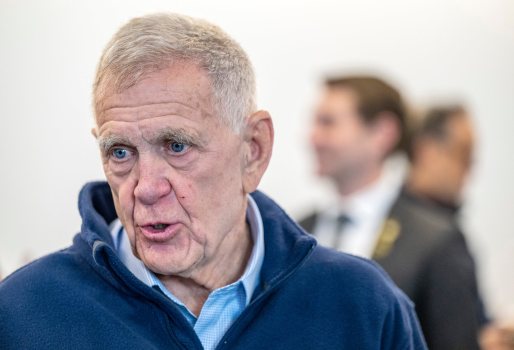
Recent reports highlight troubling inconsistencies. Admiral Alvin Holsey, the commander of U.S. Southern Command, has resigned, reportedly citing concerns about the airstrikes against alleged drug boats. Sources indicate that Holsey’s resignation stems from a belief that the mission lacked sufficient justification, calling into question the U.S. military’s criteria for targeting.
Even more troubling, two alleged drug traffickers, an Ecuadorian and a Colombian, survived an airstrike on a submarine but were sent back to their home countries without facing trial. This raises alarm about the military’s standards for justifying lethal force.
The implications of these actions extend beyond legal ramifications; they challenge the fundamental value of human life. Critics argue that such military operations reflect a dangerous willingness to prioritize expedience over ethics, likening the administration’s approach to that of terrorists who employ indiscriminate violence.
The stakes are high as the international community watches closely. The U.S. government’s stance on these military strikes could affect its reputation and relationships with allies, especially as the UK reassesses its intelligence collaboration.
As this situation develops, it is vital for the public to remain informed about the ongoing debate surrounding military ethics, legal standards, and the treatment of individuals accused of crimes. What happens next could reshape discussions of justice and human rights on a global scale.
Stay tuned for more updates as this story unfolds.