UPDATE: Tensions between the United States and Iran have escalated dramatically as President Donald Trump issued a grave warning amid ongoing protests in Iran. Demonstrations sparked by the collapse of the Iranian rial have reportedly led to at least 7 deaths from violence, marking a critical moment in U.S.-Iran relations.
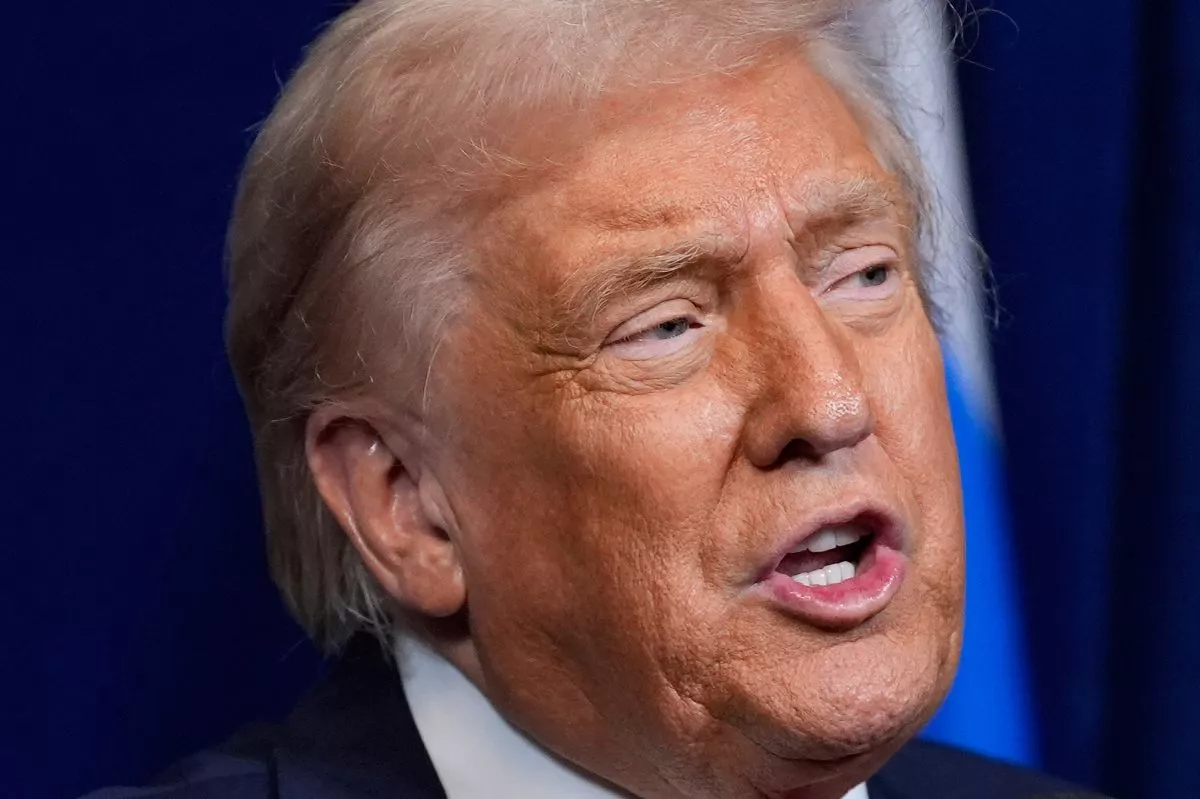
In a post on his Truth Social platform, Trump cautioned that if Iran “violently kills peaceful protesters,” the United States “will come to their rescue.” This statement, made Friday, has sent shockwaves through international communities amid fears of further military involvement in the region.
On the other side, Iranian officials are responding defiantly. Ali Larijani, a key figure in Iran’s Supreme National Security Council, accused the U.S. and Israel of instigating the protests, asserting that “intervention by the U.S. corresponds to chaos in the entire region.” He made these comments on social media platform X, which is blocked in Iran.
These protests, now in their sixth day, are the largest since the unrest following the death of Mahsa Amini in police custody last year. While the current demonstrations focus on economic grievances, such as skyrocketing inflation—where $1 now costs approximately 1.4 million rials—they also reflect deep-seated frustrations with Iran’s theocratic rule.
With the situation rapidly evolving, Larijani warned Trump that American military presence in the region could jeopardize U.S. interests. In a chilling remark, he stated, “The people of Iran properly know the experience of ‘being rescued’ by Americans,” referring to past U.S. interventions in Iraq and Afghanistan.
Iran has been on edge since U.S. airstrikes targeted its nuclear facilities earlier in June, a move that followed an Iranian attack on the Al Udeid Air Base in Qatar. Tensions have been exacerbated by Trump’s recent rhetoric, which appears to signal a willingness to intervene further in Iran’s internal matters.
As the protests continue, Iranian President Masoud Pezeshkian has attempted to communicate a readiness for dialogue with demonstrators, although he has acknowledged the limited power of his administration to make significant changes amidst the currency crisis.
With protests mounting, the world watches closely for the potential ramifications of this escalating conflict. Trump’s comments may signal an imminent shift in U.S. policy, increasing fears of military action in response to Iran’s handling of the protests.
The situation remains fluid, and observers are urged to stay tuned for developments as both nations navigate this precarious moment in their fraught history. What is clear is that the stakes continue to rise, with potential consequences for both Iranian civilians and U.S. foreign policy.