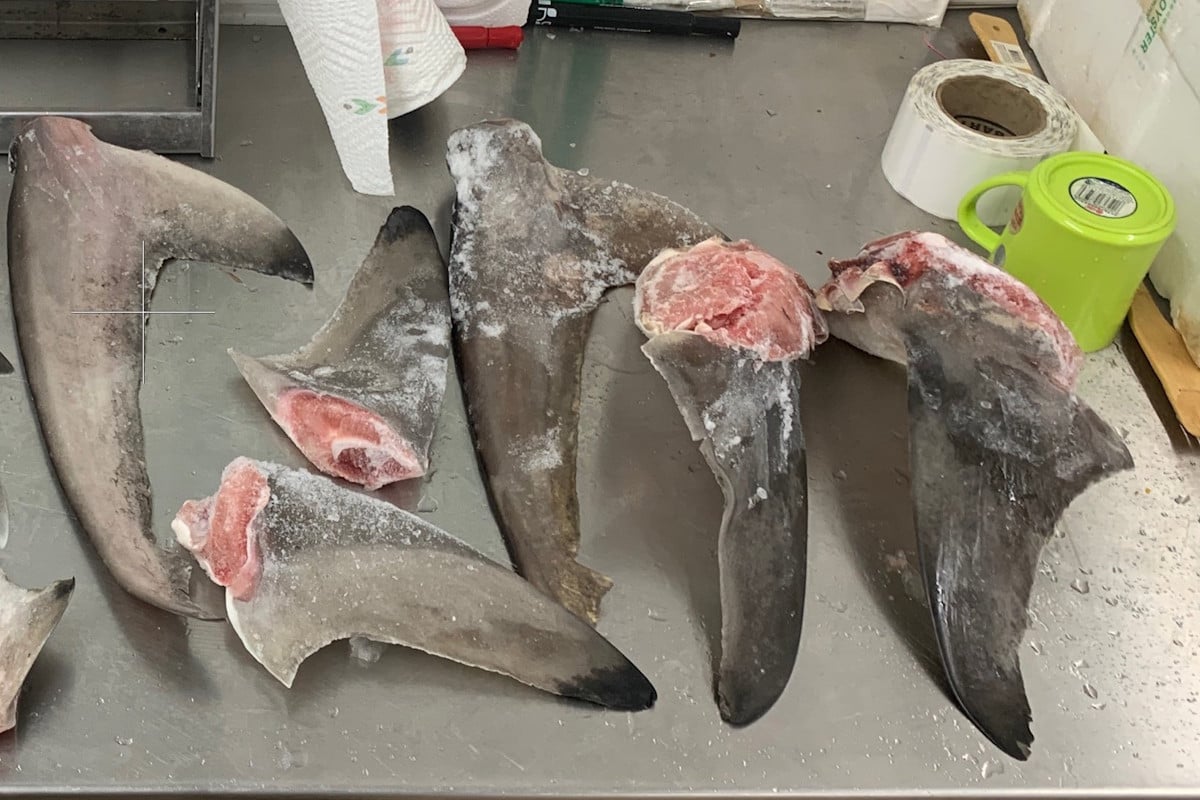
UPDATE: Texas game wardens have ramped up efforts to combat the illegal shark fin trade, a move crucial for protecting coastal ecosystems and the livelihoods dependent on them. In a recent #WardenWednesday post, officials announced significant seizures and inspections aimed at disrupting this illicit market, highlighting the urgency of their mission.
The illegal trade of shark fins poses a serious threat, as conservationists warn that it contributes to declining shark populations. Each fin confiscated counts as a separate offense, potentially leading to severe criminal charges. Authorities are determined to deter this practice, seizing fins and related products as evidence, which are then destroyed upon conviction.
According to the Texas Parks and Wildlife Department, state law mandates that buying, selling, or possessing shark fins for commercial purposes is illegal in Texas. Under the Parks and Wildlife Code §66.2161, each fin can incur a separate charge, amplifying the penalties for violators. The Parks and Wildlife Commission has also implemented new regulations specifying how fins must be handled in restaurants, ensuring that they are rendered inedible before disposal.
Recent enforcement actions reveal the scale of the problem. In April 2022, game wardens uncovered an alarming stash of 381 whole shark fins and approximately 29 pounds of fin meat at Van’s Restaurant in San Antonio. This incident underscores the ongoing challenges authorities face in curbing this trade, with investigations continuing to hold establishments accountable.
The law grants wardens extensive authority to seize fins, treating possession for sale as a criminal offense. First violations are classified as Class B misdemeanors, escalating to Class A for repeat offenders. Each fin involved is treated as a separate charge, making it imperative for businesses to comply with the stringent regulations.
New rules stipulate that fins removed during processing must be rendered inedible through methods such as immersion in chlorine bleach before disposal. This clarification aims to streamline prosecutions and enhance enforcement during inspections.
The broader conservation context reveals that the shark fin market fuels unsustainable fishing practices globally. Organizations like Oceana estimate that up to 73 million sharks are caught each year for their fins. Advocates are calling for a complete ban on the domestic market, pushing legislative measures like the Shark Fin Sales Elimination Act to reduce demand and eradicate the incentive for illegal finning.
Texans are urged to report any suspected violations of shark fin sales or storage. Anonymous tips can be submitted to Operation Game Thief at 1-800-792-GAME (4263) or through the program’s website, directly aiding the Texas Game Wardens in their ongoing battle against this illegal trade.
As the situation develops, all eyes will be on law enforcement’s next steps and the effectiveness of these new regulations in protecting endangered shark species and preserving vital coastal ecosystems. The stakes are high, and the fight against illegal shark fins is more critical than ever.