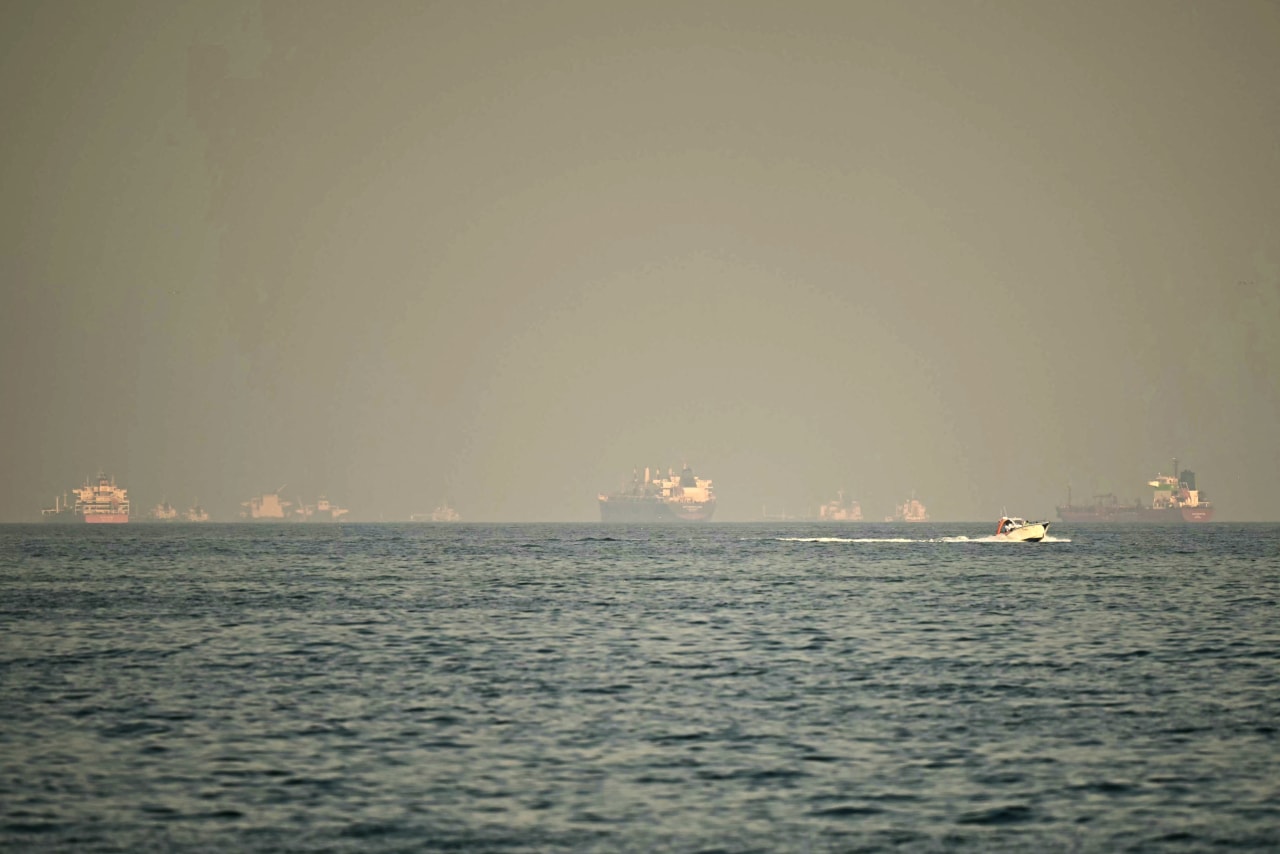
Oil prices have surged significantly in response to escalating tensions in the Middle East, particularly due to recent military actions involving Iran. On August 1, 2023, a series of tit-for-tat strikes between Iran and regional adversaries raised concerns over the security of oil shipments passing through the strategic Strait of Hormuz. This vital waterway is responsible for transporting approximately 20% of the world’s oil supply, making any disruption a critical issue for global markets.
The International Energy Agency (IEA) has reported that crude oil prices jumped by 8% within a week, reaching a new peak of $95 per barrel. Analysts warn that if tensions continue to escalate, further increases could destabilize not only the oil market but also the broader global economy. The United States and other nations are closely monitoring the situation, fearing potential Iranian interference with tankers operating in the region.
Concerns about the safety of maritime routes have prompted discussions among members of the International Maritime Organization (IMO) about enhancing protective measures for vessels traversing the Gulf of Oman. The United States Navy has also increased its presence in the area, conducting escort missions and surveillance operations to safeguard commercial shipping.
Iran’s recent military actions, including missile tests and naval exercises, have heightened fears of potential attacks on oil tankers. The Strait of Hormuz is a crucial chokepoint for oil exports from neighboring countries, including Saudi Arabia and the United Arab Emirates. Any disruption in this area could lead to significant supply shortages and exacerbate already rising prices.
OPEC has expressed concern over the implications of this conflict for oil production in the region. In a statement, the organization emphasized the importance of stability in oil-producing countries to ensure a steady supply to global markets. The group is closely monitoring developments and may consider adjustments to production levels in response to potential disruptions caused by the conflict.
The current situation underscores the fragile nature of global energy supplies and the interconnectedness of geopolitical events and market dynamics. As nations grapple with the implications of rising oil prices, consumers may soon feel the impact at the pump, with fuel costs projected to rise.
The unfolding events in the Middle East serve as a reminder of the volatility inherent in global energy markets. Stakeholders in the oil industry, as well as consumers, will be watching closely as the situation develops. With the potential for further military action, the outlook for oil prices remains uncertain, sparking widespread concern among economists and industry experts alike.