URGENT UPDATE: New reports expose the 25 most shocking and forgotten scandals of the 2000s, revealing a decade filled with cultural chaos and disturbing events that many have pushed to the back of their minds. These revelations are not just pieces of nostalgia; they reflect a time when societal norms and media practices profoundly affected lives and shaped the future.
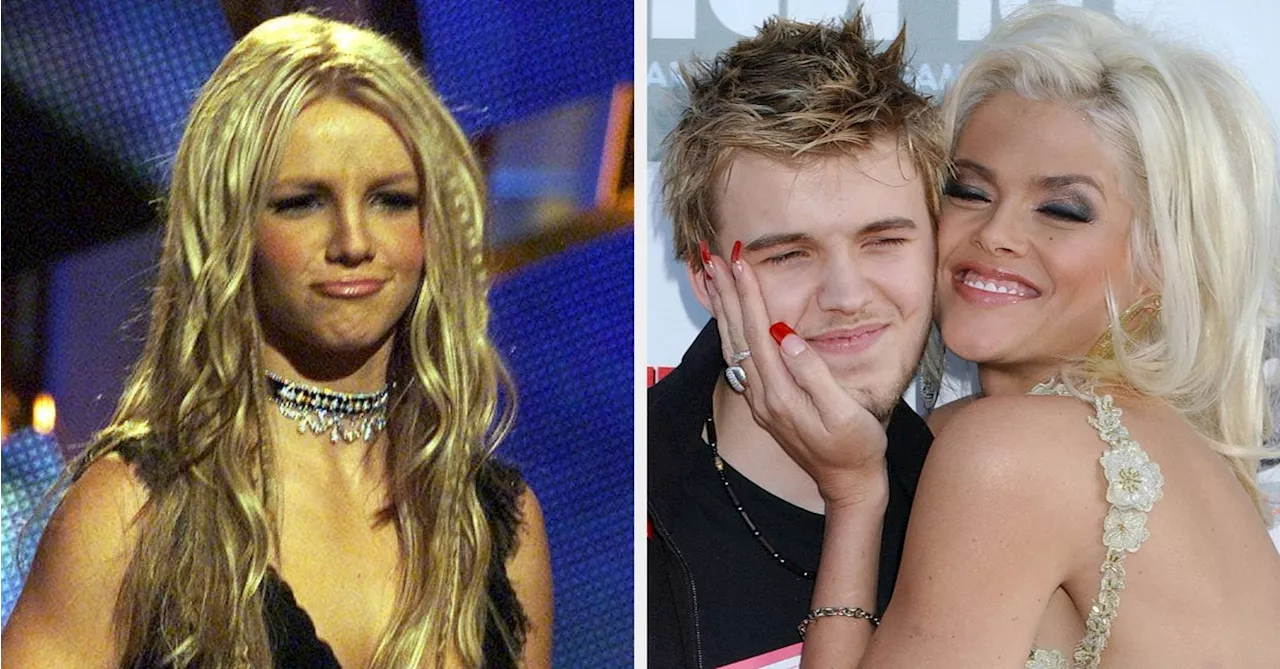
Among the most startling revelations is the treatment of pop icon Britney Spears. During her public struggles with mental health in the mid-2000s, tabloids sensationalized her breakdown, turning her pain into entertainment. Spears’ infamous shaved-head incident reportedly generated millions for media outlets, highlighting the cruel reality of celebrity culture. This raises urgent questions about how society consumed and perpetuated the trauma of young women during this era.
Another critical aspect of this decade was the controversial television phenomenon, Joe Francis’s “Girls Gone Wild.” The brand normalized sexual exploitation, raking in hundreds of millions through late-night infomercials. This legacy still echoes today as it shaped a culture where women’s boundaries were often disregarded.
The 2000 election between George W. Bush and Al Gore also left an indelible mark. A narrow victory hinged on Florida’s electoral votes, ultimately decided by a Supreme Court ruling. This event not only shook the foundations of American democracy but also set the stage for today’s polarized political climate. The aftermath of this election is often overshadowed by the events of September 11, 2001, but its implications are still felt today.
In the realm of public health, the Y2K scare loomed large as fears of widespread technological failure gripped the world. Companies and governments invested billions to prevent catastrophic failures in essential services. Ironically, the absence of disaster led many to dismiss the threat as exaggerated, masking the extensive efforts made to avert a crisis.
The decade also saw the rise of social media vulnerabilities, highlighted by a significant MySpace worm attack in 2005 that infected over 1 million profiles in under 24 hours. This early cyberattack foreshadowed the massive security issues that would dominate the internet landscape in the following years.
One of the most tragic events was Hurricane Katrina in 2005, which exposed deep racial and economic disparities in America. Thousands were left stranded in the Superdome without adequate food or medical care. The slow and ineffective response from FEMA highlighted systemic failures that disproportionately affected poor and Black communities.
Amidst the reality TV boom, shows like “To Catch a Predator” blurred the lines between journalism and entertainment, raising ethical questions about law enforcement’s role in sensationalizing serious crimes. The series became a cultural touchpoint, yet many remember it more for its viral moments than the disturbing implications of its tactics.
The early 2000s also introduced a toxic culture surrounding body image, fueled by media that relentlessly promoted an unrealistic thin ideal. Tabloids shamed celebrities like Jessica Simpson and Nicole Richie, contributing to widespread body dysmorphia among young women. This era normalized fat-shaming and objectification, creating long-lasting psychological damage.
As we revisit these moments, it becomes evident that the 2000s were not simply a nostalgic time but a period that shaped societal attitudes and behaviors in troubling ways. The narratives surrounding these events have largely faded from public discourse, but their impact remains relevant today.
NEXT STEPS: As we reflect on this tumultuous decade, discussions about its effects on contemporary culture are more important than ever. How do these forgotten scandals inform today’s conversations about mental health, media ethics, and societal values? Share your thoughts and experiences as we navigate the complex legacy of the 2000s.
Stay tuned for more updates as we continue to uncover the hidden stories that shaped our past and influence our future.