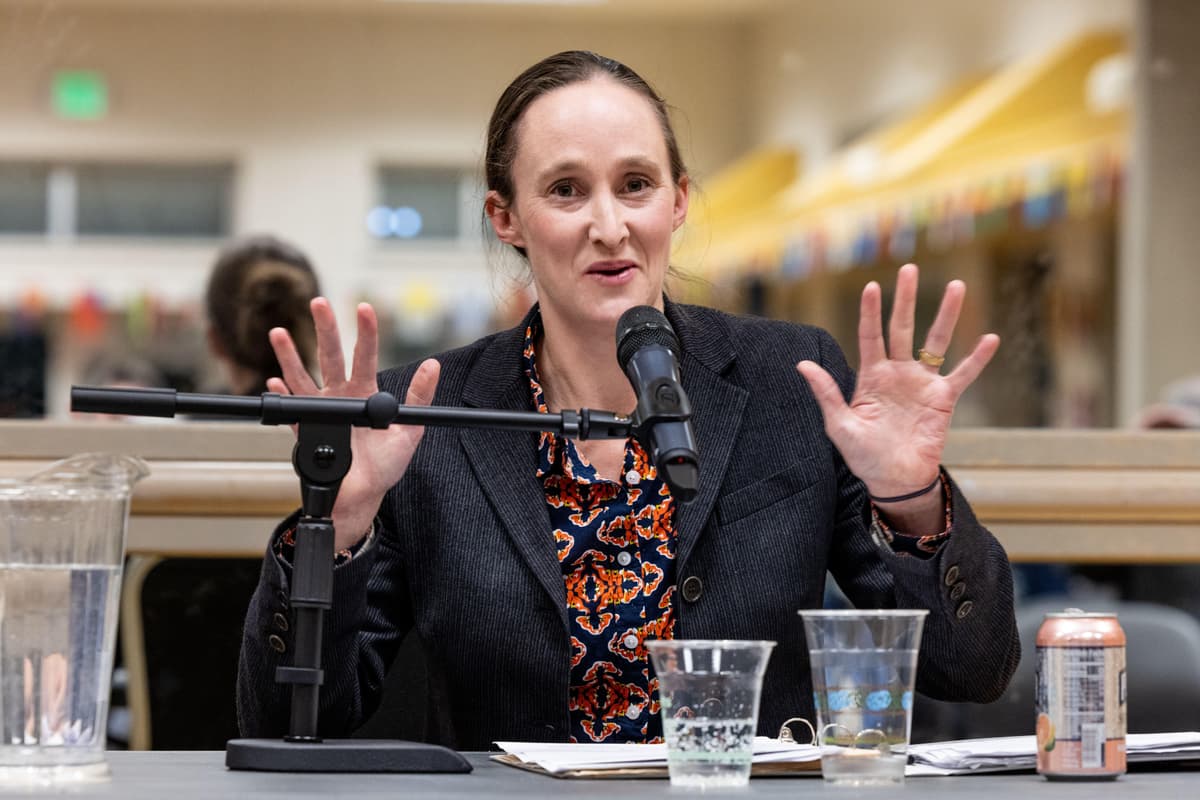
UPDATE: In a stunning political shift, Katie Wilson, a socialist candidate, has unseated incumbent mayor Bruce Harrell in Seattle’s mayoral race, confirming her as the city’s next leader. This unexpected victory, which echoes Zohran Mamdani‘s recent triumph in New York City, reflects a growing discontent with establishment Democrats.
With just 1,320 mail-in ballots remaining to be counted as of November 7, 2023, Wilson’s lead has made it mathematically impossible for Harrell to retain his position. “This campaign was driven by a deep belief that we need to expand the table to include everyone in the decisions that impact their lives,” Wilson stated in a compelling message to her supporters.
The election turnout has been historic, with Wilson overcoming a seven percentage point deficit on Election Day, largely thanks to the delayed counting of mail-in ballots, which traditionally favor left-leaning candidates in Seattle. The Seattle Times reports that the contest could be the closest in modern Seattle history, raising questions about a potential recount.
Wilson’s platform emphasizes critical issues such as homelessness, affordability, and public safety. She proposes building 4,000 emergency homeless shelter units at an estimated cost of $500 million and has called for a $1 billion bond aimed at creating “union-built” social housing. To fund her ambitious social programs, she is advocating for a local capital gains tax targeting the city’s wealthiest individuals.
Despite being a political newcomer without prior elected office experience, Wilson co-founded the Transit Riders Union in 2011, a group that has become influential in advocating for economic populism and pushing for the city’s JumpStart tax on high-earning corporations such as Amazon.
Wilson’s personal story also resonates deeply; in an interview with KUOW-FM, she candidly discussed receiving financial assistance from her parents to help cover childcare costs for her two-year-old daughter. “It just speaks to how expensive and unaffordable it is, right?” she remarked, highlighting the challenges many families face in the city.
As Wilson prepares to take office, she must navigate the complexities of her previous statements regarding police funding while ensuring public safety remains a priority. She has committed to investing in alternatives to traditional policing, such as the Law Enforcement Assisted Diversion program.
This election marks a significant moment for Seattle, a city known for its progressive values yet grappling with a recent exodus of 1,100 millionaires due to new wealth taxes aimed at addressing a state budget shortfall of nearly $16 billion. Wilson’s victory signals a potential shift in the political landscape, as voters demand bold action on pressing social issues.
As Seattle embraces this new chapter, the political community and residents alike will be watching closely to see how Wilson’s administration will address the myriad challenges facing the city. Will her administration deliver on its promises, or will the complexities of governance stall her ambitious agenda? Stay tuned for updates as this story develops.