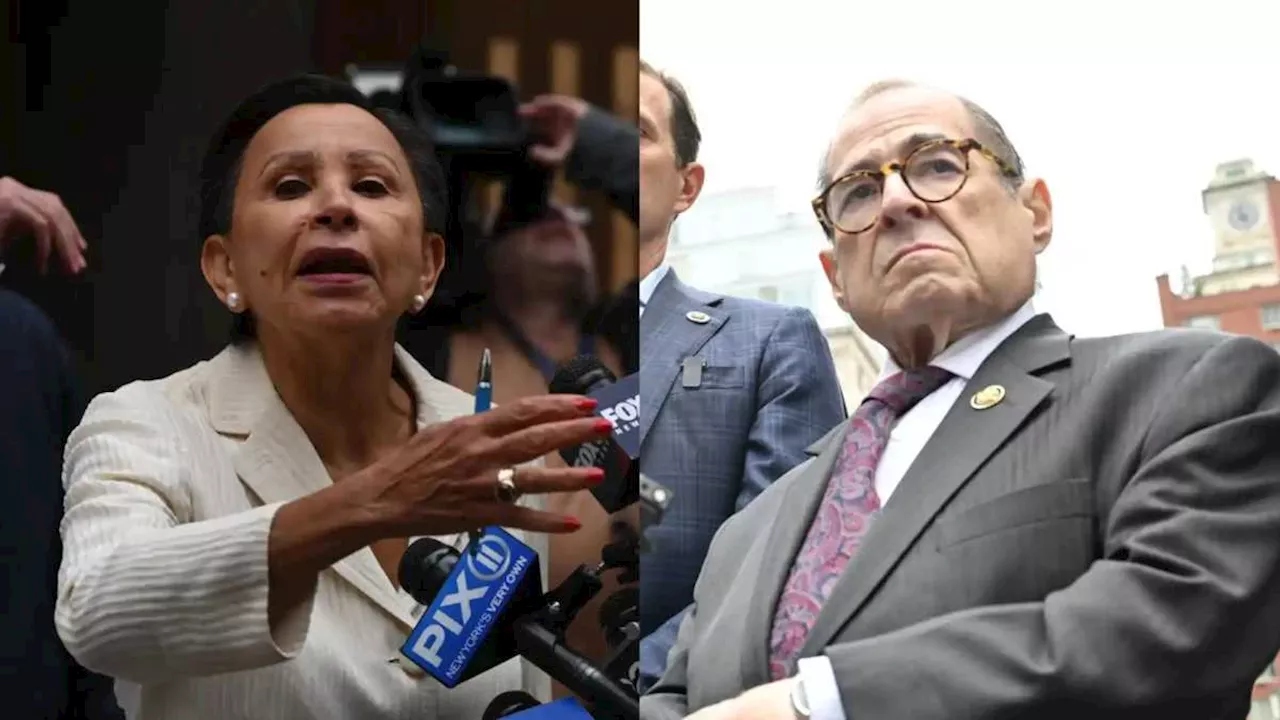
UPDATE: A significant shift is underway within New York City’s Democratic congressional delegation as multiple long-serving members announce retirements or face challenges from younger, progressive candidates ahead of the 2026 elections. U.S. Rep. Nydia Velázquez has become the latest incumbent to signal her departure, following the resignation of fellow representative Jerry Nadler, marking a potential turning point in NYC politics.
Just hours ago, Velázquez, who represents parts of Brooklyn and Queens, expressed her intention to step aside, stating, “I love this work and I love my district, but I believe now is the right moment to step aside and allow a new generation of leaders to step forward.” This announcement comes as a wave of younger, left-leaning Democrats, including prominent local figures like City Council Members Jennifer Gutiérrez and Lincoln Restler, prepare to challenge established incumbents.
The challenges posed to veteran lawmakers reflect a broader internal struggle within the Democratic Party, especially following the political upheaval after Donald Trump‘s victory in the 2024 presidential election. Political strategist Camille Rivera highlights the urgency for change, noting that many aging lawmakers are recognizing the need to pass the torch to a younger generation amid a politically charged environment.
Velázquez, aged 72, and Nadler, aged 74, have both served in Congress for over three decades. Their retirements signal an acknowledgment that the party must adapt to the evolving demographics and preferences of its voter base. Rivera emphasizes the importance of nurturing younger leaders, stating, “Many of them feel like they have created a good bench… that will represent the district well.”
Political analyst Basil Smikle suggests that these retirements are indicative of a shifting Democratic coalition. “With that comes a recognition by some electeds that maybe it’s their turn with this younger generation, sort of pushing up,” he said. This sentiment is echoed by other observers who note the mounting pressure on incumbents as primary challenges from millennials and Gen Z candidates grow.
As primary season approaches, the stakes are high. The urgency for the Democratic Party to engage younger voters is palpable, and insiders believe that these generational shifts are essential for the party’s future. John Mollenkopf, a political scientist at CUNY, points out, “Being a longtime incumbent Democrat in Congress has hardly ever been tougher,” particularly under a Republican administration. He adds that the current political climate makes it challenging for seasoned lawmakers to sustain momentum in their districts.
These retirements and the rising tide of progressive candidates are poised to reshape New York City’s political landscape. As more established leaders consider their legacies, questions loom about how effectively the party can harness the enthusiasm of young voters while ensuring representation that resonates with diverse communities.
Expectations are high as the political arena heats up. With various younger candidates already declaring their intent to run for Nadler’s seat, including Micah Lasher and others from vibrant grassroots movements, the 2026 elections are shaping up to be a pivotal moment for both the city and the Democratic Party at large.
Stay tuned as this story develops and for more updates on the evolving political dynamics in New York City. The implications of these changes are likely to reverberate far beyond local elections, influencing the broader national conversation on party identity and leadership.