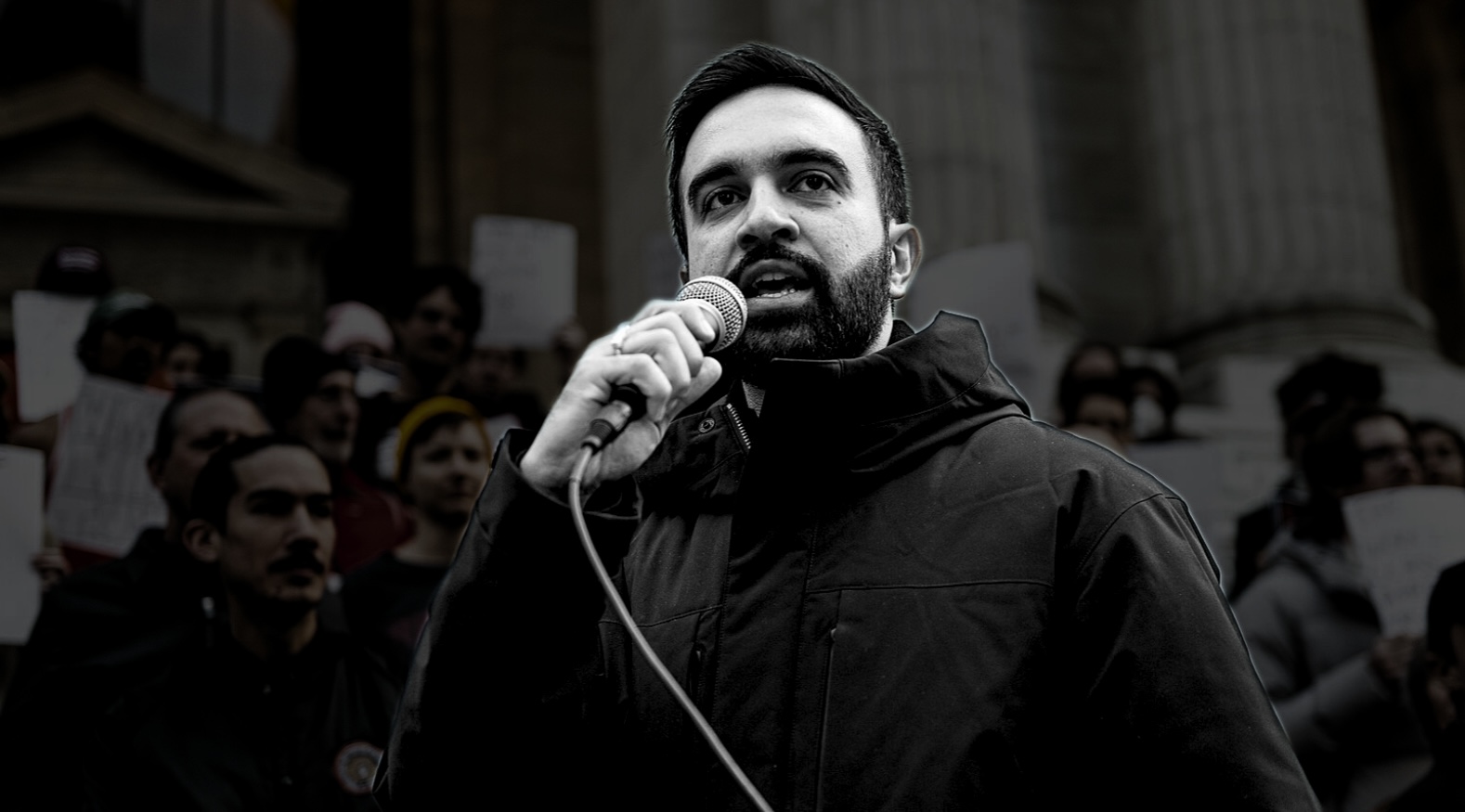
UPDATE: Newly elected Mayor of New York, Zohran Mamdani, delivered a powerful inauguration speech yesterday, addressing the urgent needs of the struggling middle class. With a clear focus on economic relief, Mamdani’s message resonates with many New Yorkers feeling the pressure of rising costs and stagnant wages.
In his speech, Mamdani declared, “We will replace the frigidity of rugged individualism with the warmth of collectivism.” His remarks spotlighted the “Middle Precariat”—a term he uses to describe those who are working hard yet find it increasingly difficult to thrive in today’s economy. For many, including parents like Mariano Muñoz, the urgent reality of living paycheck to paycheck is all too familiar. Muñoz, a parent coordinator from Brooklyn, stressed that “we feel the squeeze of everyday life, trying to raise our kids in Brooklyn.”
The urgency of this issue cannot be overstated. Recent data reveals that the cost of home ownership has surged by 50% in the past five years nationwide. Voters, particularly in urban areas, are demanding that their struggles for economic security be recognized and addressed. As Tara Fannon, a New York-based contractor, noted, “New Yorkers like me have been hit hardest by Trump’s policies, the tax giveaways, the hollowing out of our political institutions.”
Political analysts are taking note of this growing movement. James Carville, a prominent Democratic strategist, recently suggested that the party should embrace “economic rage” as a rallying point. This sentiment is echoed across the nation, from New York to Washington state, where candidates like Katie Wilson in Seattle have also focused on affordability issues that resonate with the middle class.
The economic landscape is fraught with challenges. According to a new report from Yale’s Budget Lab, tariffs have cost households an average of $2,400, exacerbating financial strain. Meanwhile, costs for public goods, including electricity and state college tuition, are rising sharply—up 30% since 2021, according to economist Thomas Ferguson.
As the political landscape shifts, Mamdani’s administration aims to unite this diverse group of voters who share a common concern: the need for economic stability. The next few years will be critical as the “Middle Precariat” continues to mobilize politically. Voters like Peter Donahue, a 60-year-old electrician, illustrate the urgency. He stated that despite earning between $70,000 to $100,000 annually, the high cost of living leaves him questioning his future in Seattle.
As 2026 approaches, it is crucial for the political elite to acknowledge and respond to the shared struggles of the middle class. The rise of the “precariat power” signals a new wave of political engagement that could reshape future elections. The time for change is now, and the voices of the middle class are becoming impossible to ignore.
Stay tuned for more updates as this developing story unfolds and impacts voters across New York and beyond.