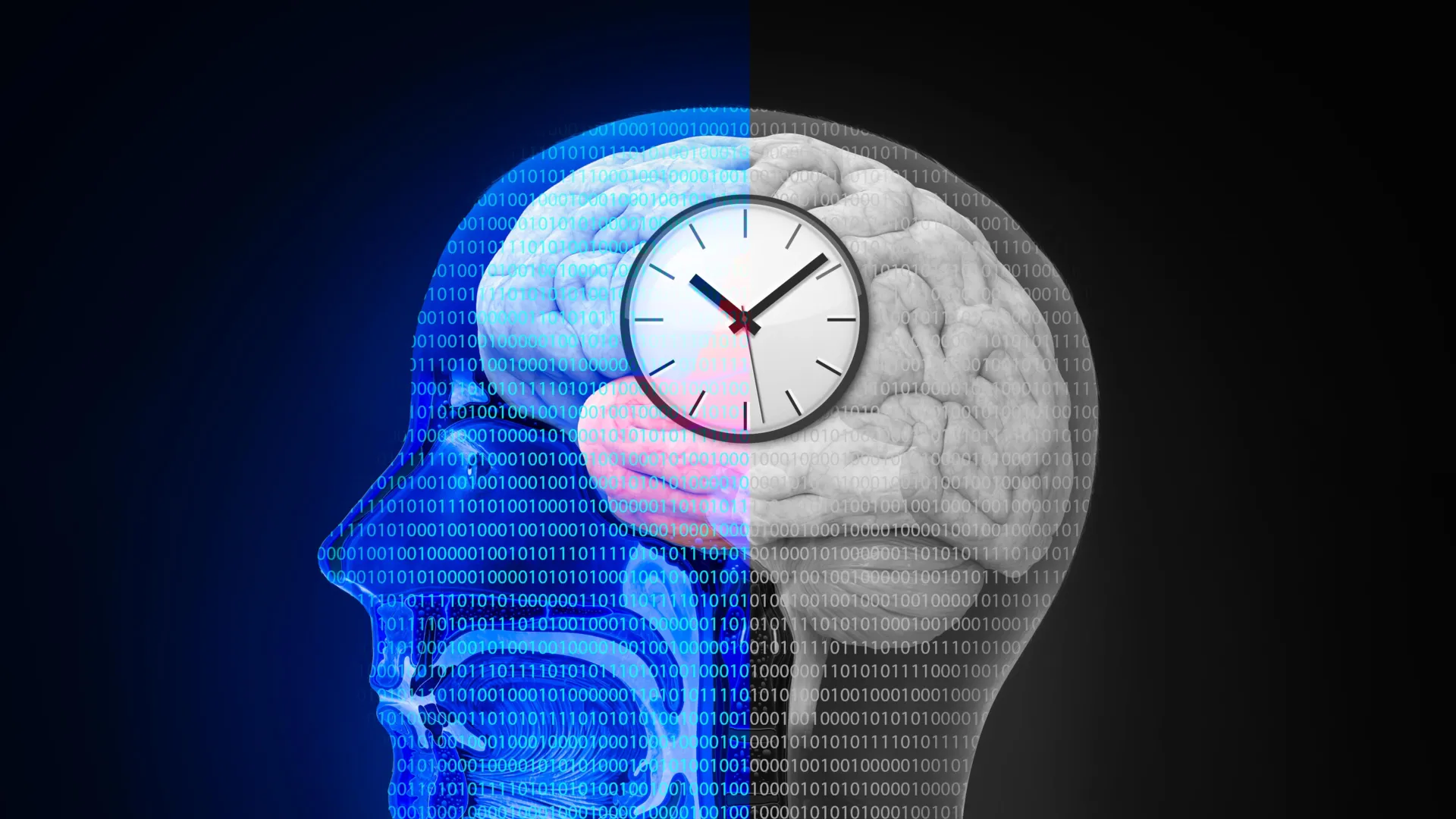
URGENT UPDATE: A groundbreaking study from Rutgers University has just revealed how a hidden timing system in the brain influences our thinking and decision-making. Published in Nature Communications, this research uncovers the intricate workings of how different brain regions communicate at varying speeds, shaping individual cognitive abilities.
The brain operates using distinct internal clocks, known as intrinsic neural timescales (INTs), which dictate how quickly different areas process information. This unique timing system is critical for how we react to immediate stimuli and interpret complex information over time. The study highlights that effective communication between these brain regions is essential for cognitive function, a finding that could reshape our understanding of mental processing.
Using advanced brain imaging data from 960 individuals, researchers created detailed maps of brain connectivity, allowing them to analyze how information flows between regions. Senior author Linden Parkes, an assistant professor of Psychiatry at Rutgers Health, stated, “To affect our environment through action, our brains must combine information processed over different timescales.” This integration is crucial for human behavior and cognitive efficiency.
The study found significant differences in the brain’s timing organization among individuals, suggesting that these variations might explain why some people excel in cognitive tasks while others struggle. Parkes noted, “People whose brain wiring is better matched to the way different regions handle fast and slow information tend to show higher cognitive capacity.”
These findings are particularly significant for addressing cognitive diversity and potential mental health issues. The research team is now expanding their work to investigate neuropsychiatric conditions like schizophrenia and depression, aiming to understand how disruptions in brain connectivity can affect information processing over time.
As this research continues to evolve, the implications for enhancing cognitive health and addressing mental disorders could be profound. The study marks a critical step in understanding the brain’s complex functions and may pave the way for new interventions in mental health care.
Stay tuned for more updates as this research unfolds, providing a deeper understanding of how our brains function and how we can potentially harness this knowledge for better cognitive health.