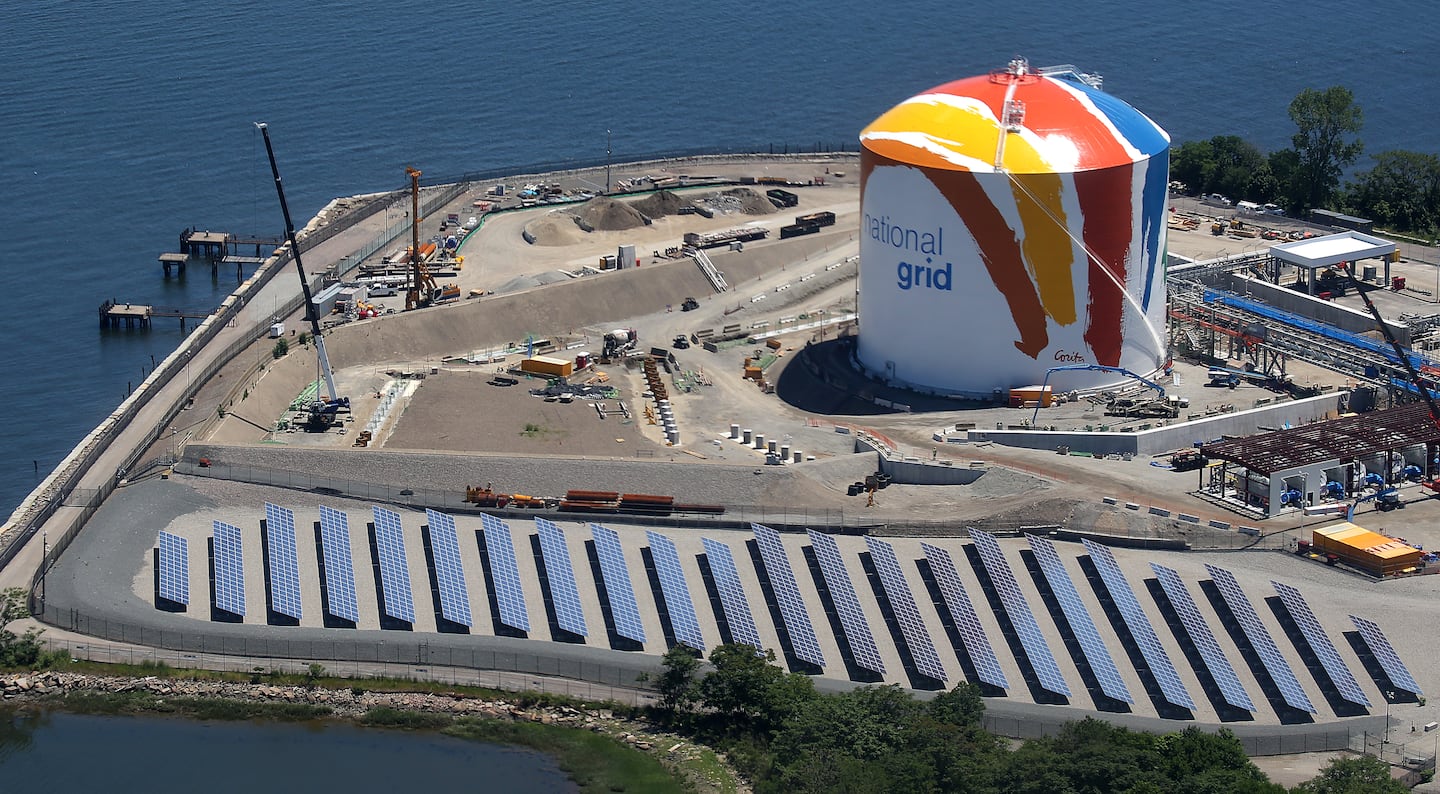
UPDATE: National Grid has just announced a controversial proposal to increase its base rate for natural gas by an average of 10 percent, exacerbating the ongoing energy affordability crisis in Massachusetts. This urgent development follows a separate request from Liberty Utilities, which seeks a staggering 55 percent rate hike for customers in the Fall River area this year.
The implications of these rate hikes are profound, as they disproportionately impact low-income households, particularly in environmental justice communities, where residents already allocate a significant portion of their income to energy bills. The reliance on costly and volatile fossil fuels continues to drive up energy costs for Massachusetts residents.
Officials and advocates are raising alarms over National Grid’s approach. Cynthia Mendes, Massachusetts director for Clean Water Action, criticized the utility for prioritizing natural gas distribution at a time when the state urgently needs to decarbonize. “Proposing a rate increase that leans on outdated fossil fuel infrastructure is fiscal malfeasance,” Mendes stated. She highlighted the need for a shift towards clean energy solutions that can provide long-term affordability and stability.
The Department of Public Utilities issued a directive in August 2025 to end ratepayer-funded subsidies for new gas line extensions. New customers must now absorb the full cost of their connections, averaging around $9,000 per home. This policy change reflects Massachusetts’ broader strategy aimed at achieving net-zero carbon emissions by 2050.
Despite acknowledging affordability concerns, National Grid’s proposed rate increase perpetuates dependence on a volatile fossil fuel market. “Instead of investing in new gas infrastructure, regulators should mandate a transition to proven heat pump technology,” stated Marvin Berkowitz, a local advocate. Heat pumps can reduce emissions and stabilize costs, addressing both environmental and economic challenges.
As Massachusetts leaders work to lower energy costs, the urgency to prioritize clean energy investments has never been clearer. Local initiatives, such as Mass Save, have already generated over $34 billion in benefits and created thousands of jobs since 2010. These efforts demonstrate a viable path towards a more sustainable energy future.
Residents across the state are urged to stay informed and engaged as this situation develops. The proposed rate hikes signal a critical moment in Massachusetts’ energy landscape, with immediate consequences for households struggling with rising costs. The community response will play a vital role in shaping the future of energy policy in the region.
Watch for updates as this story unfolds, and consider advocating for clean energy solutions that prioritize affordability and sustainability for all Massachusetts residents.