URGENT UPDATE: Minnesota has until January 9 to verify child care funding or risk losing $185 million in federal assistance. This comes as the U.S. Department of Health and Human Services (HHS) has frozen payments amid a growing fraud investigation linked to alleged abuses in child care programs.
State officials were informed late Tuesday about the funding freeze, which follows allegations of widespread fraud predominantly involving Somali-operated day care centers. The federal demand requires detailed information on child care providers and families benefitting from federal support, intensifying pressure on Minnesota officials to comply quickly.
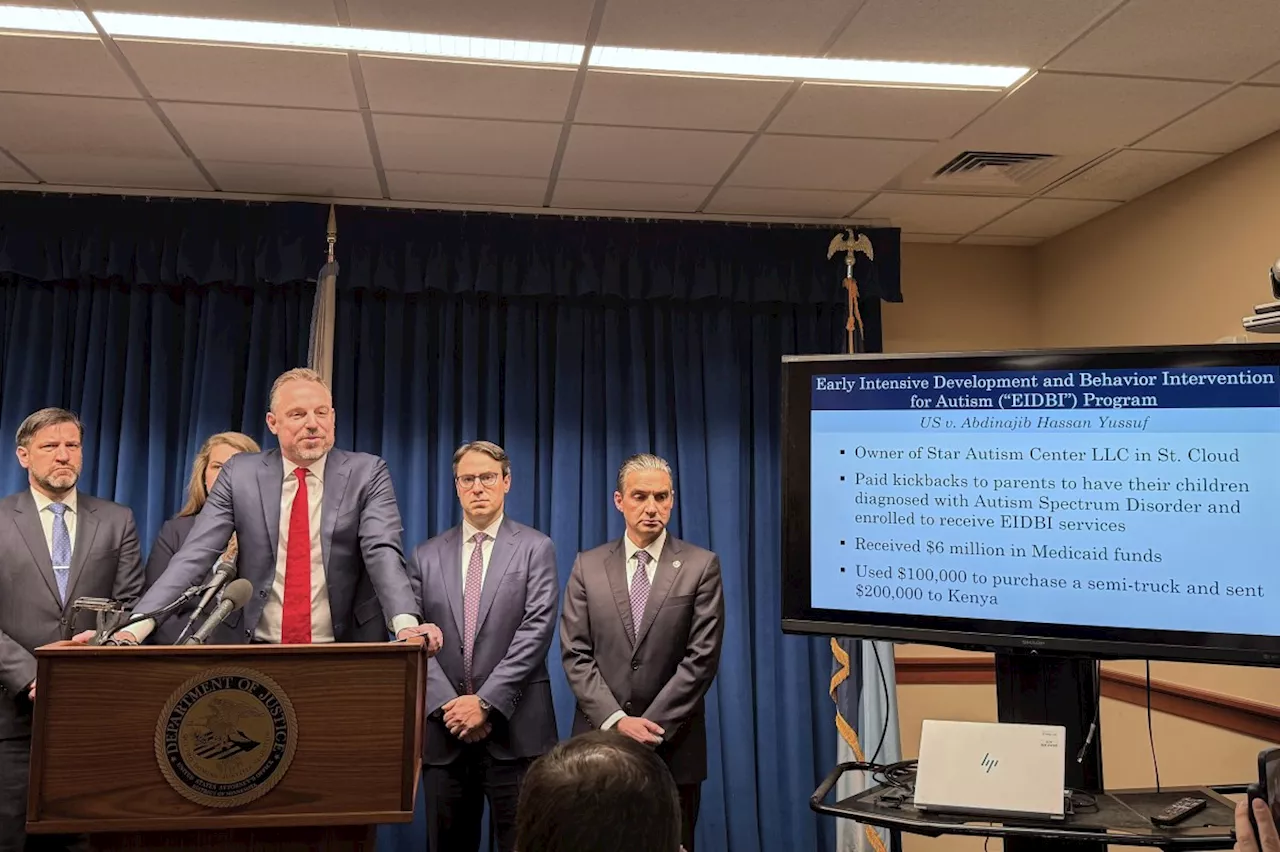
First Assistant U.S. Attorney Joe Thompson revealed that Minnesota has been under scrutiny since the 2022 Feeding Our Future scandal, which reportedly cost taxpayers $250 million. As investigations widen, the state could lose critical resources that support approximately 23,000 children and 12,000 families relying on subsidized child care.
The Trump administration announced the funding freeze earlier this week following claims of significant fraud impacting multiple states. Minnesota’s Department of Children, Youth, and Families sent an email to providers stating that they must submit verification data by the upcoming deadline to avoid losing access to these essential funds. The email emphasized that child care centers and families should continue regular operations and follow licensing requirements without taking immediate action.
Currently, 57 defendants have been convicted in connection with fraud schemes, while 78 individuals face charges. The HHS has already launched a child care fraud hotline, receiving over 200 tips since its inception.
The potential loss of funding could severely impact Minnesota families and child care providers. Maria Snider, director of a St. Paul child care center, expressed concern: “For a lot of centers, we’re already running on a thin margin. A dip in funding could be devastating.” With payments typically delayed by at least three weeks, any interruption could strain budgets and threaten operations.
Minnesota officials are actively working to gather the requested data for HHS, which includes details from 2022 to 2025 on recipients, payment amounts, and oversight failures. The U.S. House Committee on Oversight and Government Reform has scheduled a hearing for January 7 to investigate the misuse of federal child care funds.
As the situation develops, state officials are bracing for further guidance from federal authorities. The email from the state agency underscored the uncertainty surrounding the implications of the funding freeze, stating, “We do not know the full impact.”
This evolving story not only has serious financial implications but also raises questions about the future of child care support in Minnesota. The clock is ticking, and state leaders are under immense pressure to act swiftly to safeguard these vital resources for families in need.