BREAKING: Millennials are speaking out about the shocking behaviors and trends of the 2000s that would be deemed completely unacceptable today. A wave of nostalgia has turned into a critical examination of a decade marked by problematic norms and attitudes, prompting many to reconsider what was once considered “normal.”
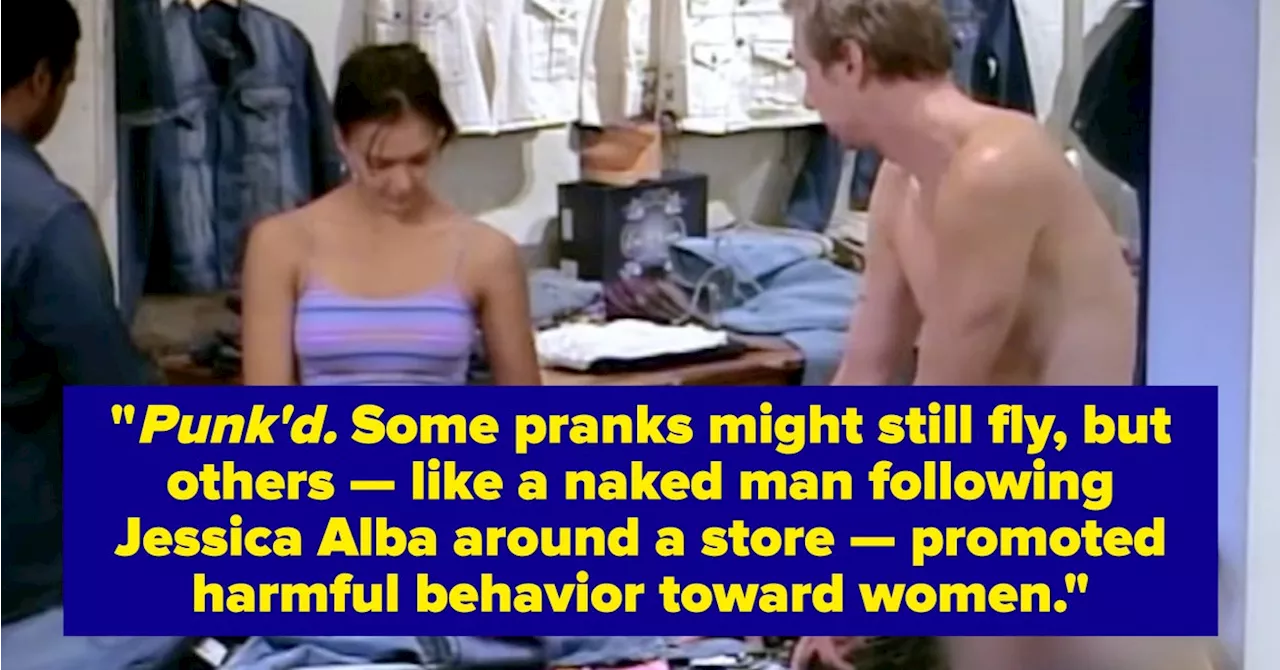
In a recent online discussion, individuals reflected on the era’s casual misogyny, body shaming, and the normalization of harmful stereotypes. From reality TV’s obsession with “revenge bodies” to the rampant use of slurs in popular sitcoms, the revelations are startling. One participant noted, “We all shrugged it off as ‘boys will be boys,’ but watching it now just gives me the ick.”
Why This Matters: The 2000s trends reveal a cultural landscape that contributed to toxic societal norms, impacting how young people view themselves and others today. As the conversation unfolds, it highlights the progress made and the work still required to combat sexism and homophobia.
Details shared by participants include memories of PE classes that segregated boys and girls, where boys played basketball while girls walked the track. One individual recounted, “That’d never fly nowadays.” The criticism extends to reality shows that thrived on body shaming, with transformations treated as entertainment while individuals were left feeling broken and inadequate. “They literally filmed people crying about their faces and bodies for ratings. That would never fly now, thank God,” one participant lamented.
The nostalgia for 2000s media is marred by harsh realities. Movies of that era often included “funny” sexual assault jokes and scenes that sexualized young women, which are now recognized as deeply unsettling. “How can that be considered a dark comedy?” one commentator questioned, highlighting the pervasive issues that went unchecked at the time.
The reflection doesn’t stop at entertainment; it dives into the societal pressures faced by young women. Participants recalled being encouraged to sign “purity pledges” in schools, with damaging rhetoric that equated sexual activity with worth. One individual remarked, “We were told if we had sex before marriage, we were like a piece of chewed gum.”
Importantly, the conversation sheds light on the casual homophobia prevalent in media and everyday life. “Gay people were punchlines on every sitcom,” one participant recalled, emphasizing how normalized this behavior was.
As society continues to evolve, the dialogue around these past behaviors serves as a reminder of the progress made and the importance of holding media and individuals accountable. The reflections from millennials are part of a broader movement towards inclusivity and acceptance, urging people to reconsider what we accept as entertainment.
What’s Next: As this conversation continues to gain traction, it will be essential to monitor how cultural norms evolve and how past behaviors are addressed in current media. Participants are encouraged to share their own experiences and thoughts on the issue, fostering a collective reflection on what has changed—and what still needs to change—moving forward.
This urgent reflection on the 2000s serves as a critical reminder of the impact of past trends on today’s society, highlighting the necessity for continued dialogue and awareness.