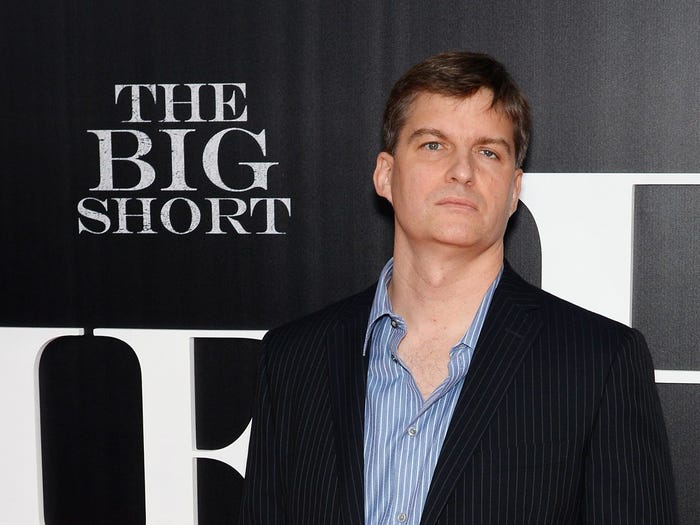
BREAKING: Investor Michael Burry, known for his pivotal role in “The Big Short,” has issued a stark warning about the future of Big Tech in light of the burgeoning AI boom. In a new Substack post, Burry claims that returns on invested capital (ROIC) are plummeting, signaling a major shift away from the asset-light business models that have defined tech giants like Microsoft, Google, and Meta.
Burry’s urgent update comes as the tech industry navigates a transformation largely driven by AI developments. He argues that instead of enhancing profits, AI is forcing these companies into a capital-intensive future characterized by expensive infrastructure, including data centers and energy resources. This transition, he warns, could lead to a long-term decline in stock prices.
“The measure to beat all measures is return on invested capital,” Burry wrote in his Substack exchange with tech podcaster Dwarkesh Patel. He highlighted that while ROIC was historically high in software companies, the shift towards hardware is set to drive it down significantly.
According to Burry, even if AI expands the addressable market for these companies, the potential drop in ROIC poses a serious threat to their stock valuations. “Falling ROIC could pressure stock prices for years to come,” he cautioned.
As of September 2023, Burry’s hedge fund, Scion Asset Management, has made substantial bets against AI leaders like Nvidia and Palantir Technologies. These companies, celebrated for their role in the AI boom, have yet to deliver significant returns on their investments, raising alarms among cautious investors.
In his analysis, Burry likened the current AI surge to the infamous dot-com bubble of the late 1990s, suggesting that we’re on the brink of a similar collapse. He referred to OpenAI as “the Netscape of our time,” indicating that the hype could soon give way to a harsh reality.
With leading AI firms ramping up spending to build infrastructure, Burry insists that the financial return on these investments must exceed their costs, or the economic value will evaporate. “At some point, this spending on the AI buildout has to have a return on investment higher than the cost of that investment,” he stated emphatically.
Investors are now left wondering how this will unfold. Will the tech landscape shift dramatically in the coming years, leading to a crisis similar to the Panic of 2026 or 2027? Burry’s warnings serve as a critical reminder for stakeholders to reassess their positions in this rapidly evolving market.
Stay tuned for more updates on this developing story as the implications of Burry’s insights unfold across the tech industry. The future of Big Tech hangs in the balance, and the world is watching closely.