UPDATE: Deobra Redden, the Las Vegas defendant who shocked the nation by vaulting over a judge’s bench in a viral video, is urgently seeking a new trial. He has petitioned the Nevada Supreme Court, claiming that his trial attorney provided ineffective counsel, violating his constitutional right. This appeal follows Redden’s December sentencing to 26 to 65 years in prison for a violent courtroom attack that occurred on January 3, 2024.
In a motion filed on December 22, 2024, public defender Kelsey Bernstein criticized trial lawyer Carl Arnold, stating he failed to file necessary pretrial motions and abandoned Redden during the appeal process. Bernstein argues that Redden entered a guilty plea without receiving any benefits, undermining his defense. “Arnold’s performance was objectively unreasonable,” she claimed, stressing that it deprived Redden of a fair trial.
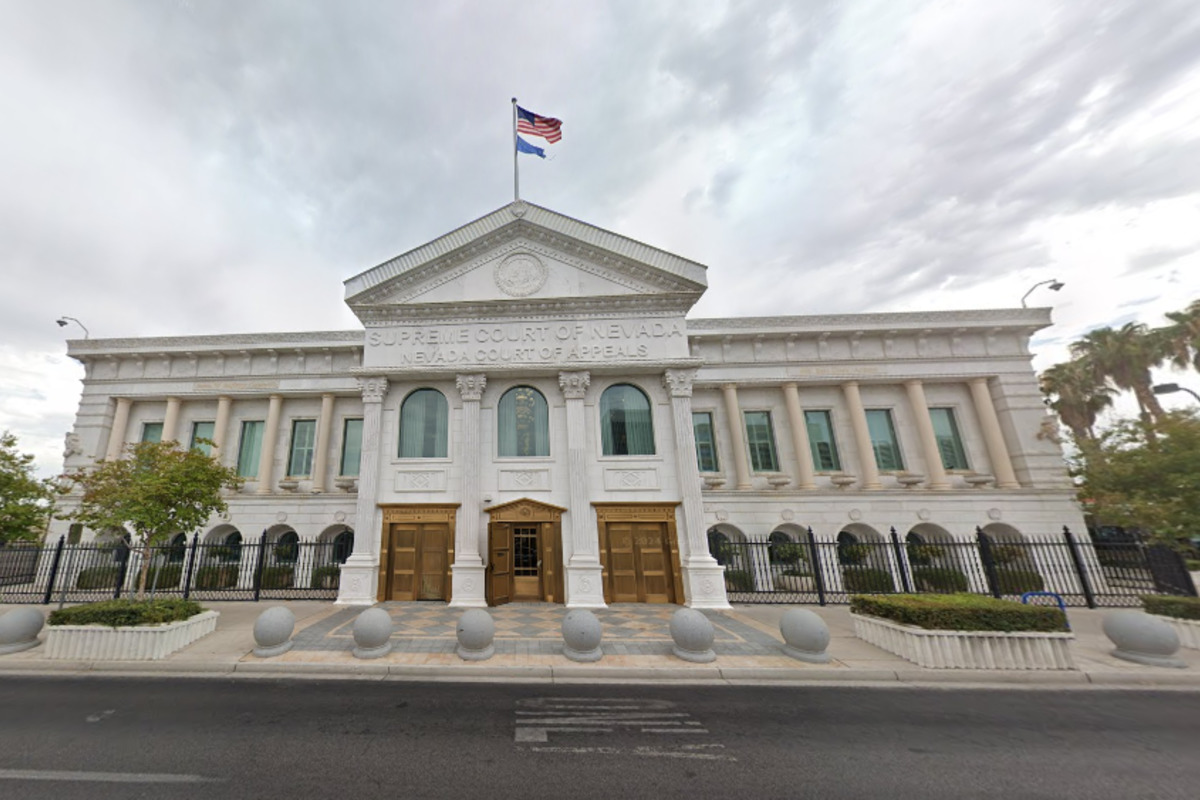
Arnold, who represented Redden pro bono, contends that he assisted Redden’s family without compensation and that Redden willingly accepted the plea after hearing courtroom testimony. The Nevada Supreme Court previously removed Arnold from the appeal and referred him to the State Bar, imposing a $250 sanction pending further review, according to the Las Vegas Review-Journal.
The notorious incident unfolded at the Clark County Regional Justice Center, where Redden leapt over the bench, attacking District Judge Mary Kay Holthus. The chaotic scene injured the judge, a courtroom marshal, and a police officer, capturing national attention as video footage circulated online.
In September 2024, Redden pleaded guilty but mentally ill to charges of attempted murder and related offenses. His December sentencing marked a significant consequence for the violent outburst, with parole eligibility not beginning until after 2050.
To succeed in his claim of ineffective assistance, Bernstein must meet a high legal standard. She needs to demonstrate that Arnold’s alleged failures not only fell below an acceptable level but also materially affected the trial’s outcome. This two-part Strickland test established by the U.S. Supreme Court imposes a rigorous burden on appellants.
The Nevada Supreme Court’s next steps could shape the future of Redden’s case. Bernstein has requested either a complete reversal of the convictions or a new trial. The court may choose to gather more information, review trial records, or potentially dismiss the petition without a hearing. Any decision could take months, leaving Redden’s lengthy sentence hanging in the balance.
This appeal has reignited discussions about mental health treatment within the justice system and the adequacy of courtroom security measures. Judges, court personnel, and victims of the January incident are closely monitoring the developments as the Nevada Supreme Court deliberates on Redden’s petition.
As this case unfolds, it raises critical questions about the intersection of mental health and legal representation, underscoring the urgent need for a system that effectively addresses both. Stay tuned for further updates on this developing story.