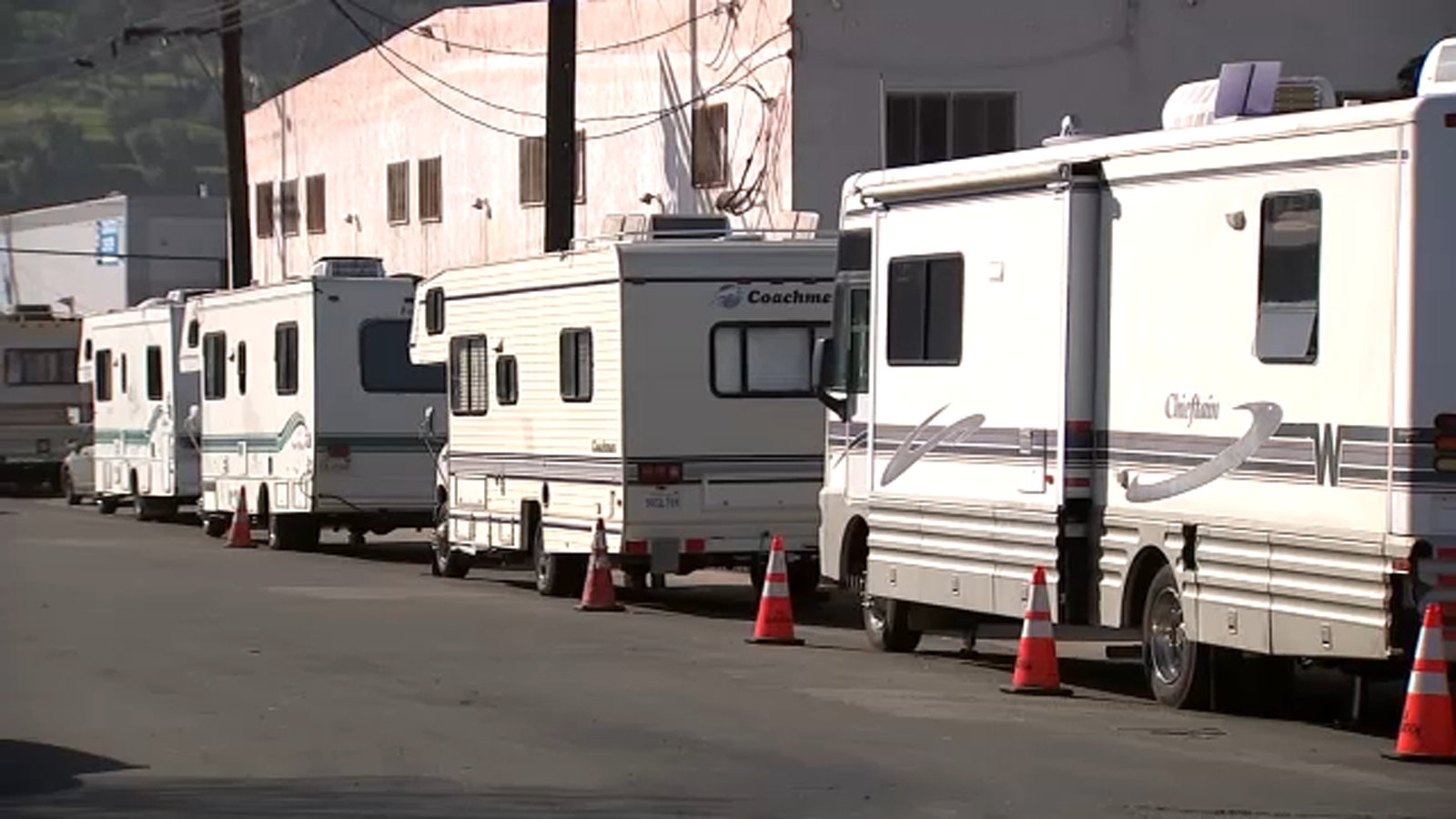
URGENT UPDATE: A federal judge has just condemned the City of Los Angeles for its significant delays in addressing the homelessness crisis, raising alarms over compliance with a critical settlement agreement. During a court hearing on November 15, 2023, U.S. District Judge David Carter highlighted the city’s “consistent lack of cooperation” in fulfilling its obligations, as outlined by the L.A. Alliance for Human Rights.
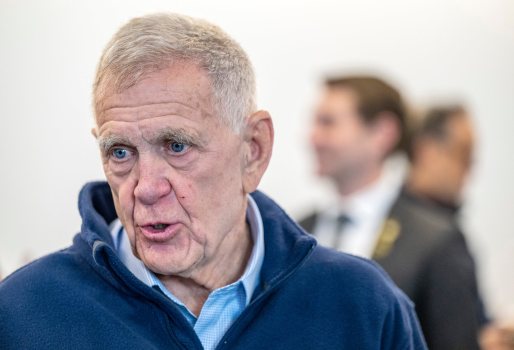
Judge Carter’s stern remarks come amidst ongoing complaints that the city is failing to provide necessary documentation and updates related to its homelessness response. He expressed frustration that the city has only been responsive when compelled by court orders or media scrutiny. “The court wants the city to succeed,” he stated. “Because when the system fails, people die.”
The judge has scheduled an evidentiary hearing for November 19, 2023, as part of ongoing efforts to ensure compliance with the settlement agreement mandating the creation of 12,915 shelter beds by June 2027. Alarmingly, there are still over 3,800 beds yet to be established.
In a previous ruling from September 2023, Judge Carter approved a plan requiring Los Angeles County to provide an additional 3,000 mental health and substance abuse treatment beds by the end of next year. The L.A. Alliance, which filed the lawsuit back in March 2020, accused city officials of inadequate action against the homelessness crisis.
The judge’s order underscores a troubling pattern: the city has repeatedly failed to document its progress, even as an independent audit revealed critical flaws in its homeless services. The audit, conducted by Alvarez & Marsal, found the city’s systems outdated and its data unreliable, leading to a lack of accountability in its operations.
Carter’s latest order demands quarterly hearings to monitor the city’s compliance closely. He emphasized that the court’s role is to enforce agreements and ensure accountability. “The pattern is clear: documentation is withheld until exposure is imminent,” he wrote, indicating a serious breach of trust with the public.
“We cannot afford to wait any longer,” said a representative from the L.A. Alliance. The implications of this ruling are profound, affecting thousands of vulnerable Angelenos who rely on these services for survival. With public trust hanging in the balance, the city must act swiftly to rectify its failures and uphold its commitments.
As the situation develops, all eyes will be on the upcoming hearing in November. Will the city finally meet its obligations, or will further legal action be necessary? The stakes are high, and the urgency for action has never been more pressing.
Stay tuned for updates as this critical situation unfolds in Los Angeles.