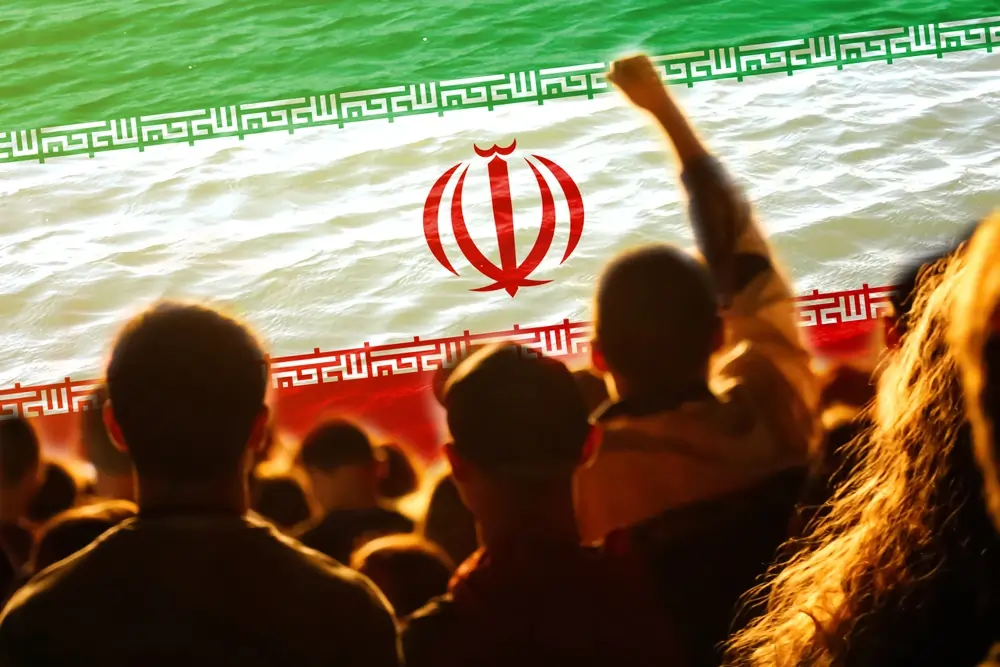
UPDATE: Tensions escalate as Iran issues a stark warning to Europe, stating that European nations will “sooner or later pay the price” for their indifference to U.S. and Israeli actions against Iran. The Iranian Foreign Ministry spokesman, Esmaeil Baghaei, made the alarming statement during an interview with Spanish television, emphasizing the consequences of silence from European countries regarding military operations that Iran deems violations of international law.
In a dramatic twist, NATO confirmed that its air defense systems intercepted a ballistic missile over the Mediterranean Sea on July 12, 2023, which was reportedly heading towards Turkish airspace. Turkish authorities assert that the missile was launched from Iranian territory, a claim that Tehran vehemently denies, insisting it has no intention of engaging in direct military confrontation with NATO.
The Iranian official warned that any involvement from European nations in military operations against Iran would be interpreted as a declaration of war. This stark rhetoric coincides with rising tensions following the missile interception, which has sparked serious concerns given Turkey’s NATO membership.
During an extraordinary meeting of foreign ministers from the European Union and the Gulf Cooperation Council (GCC), led by High Representative Kaja Kallas, the EU condemned the Iranian attacks, asserting that they pose threats to both regional and global security. The ministers called for an immediate halt to Iran’s military actions and stressed the importance of protecting civilians and adhering to international law.
As NATO seeks to stabilize the situation, Secretary General Mark Rutte reassured that invoking Article 5, which mandates collective defense, is not currently on the table. Rutte described the missile incident as serious but emphasized NATO’s priority is to prevent further escalation rather than direct involvement in the conflict.
Several NATO member states have ramped up air and missile defense systems in the region, taking precautionary measures to deter potential conflict spread. Analysts suggest that NATO’s cautious approach indicates a reluctance to engage directly in Middle Eastern hostilities while remaining prepared for any escalation.
With the situation developing rapidly, the potential for increased military confrontations raises urgent questions about the stability of the region and its implications for international relations. As the world watches these developments closely, the stakes have never been higher for both Iran and European nations.
For ongoing updates, follow our coverage as this situation unfolds.