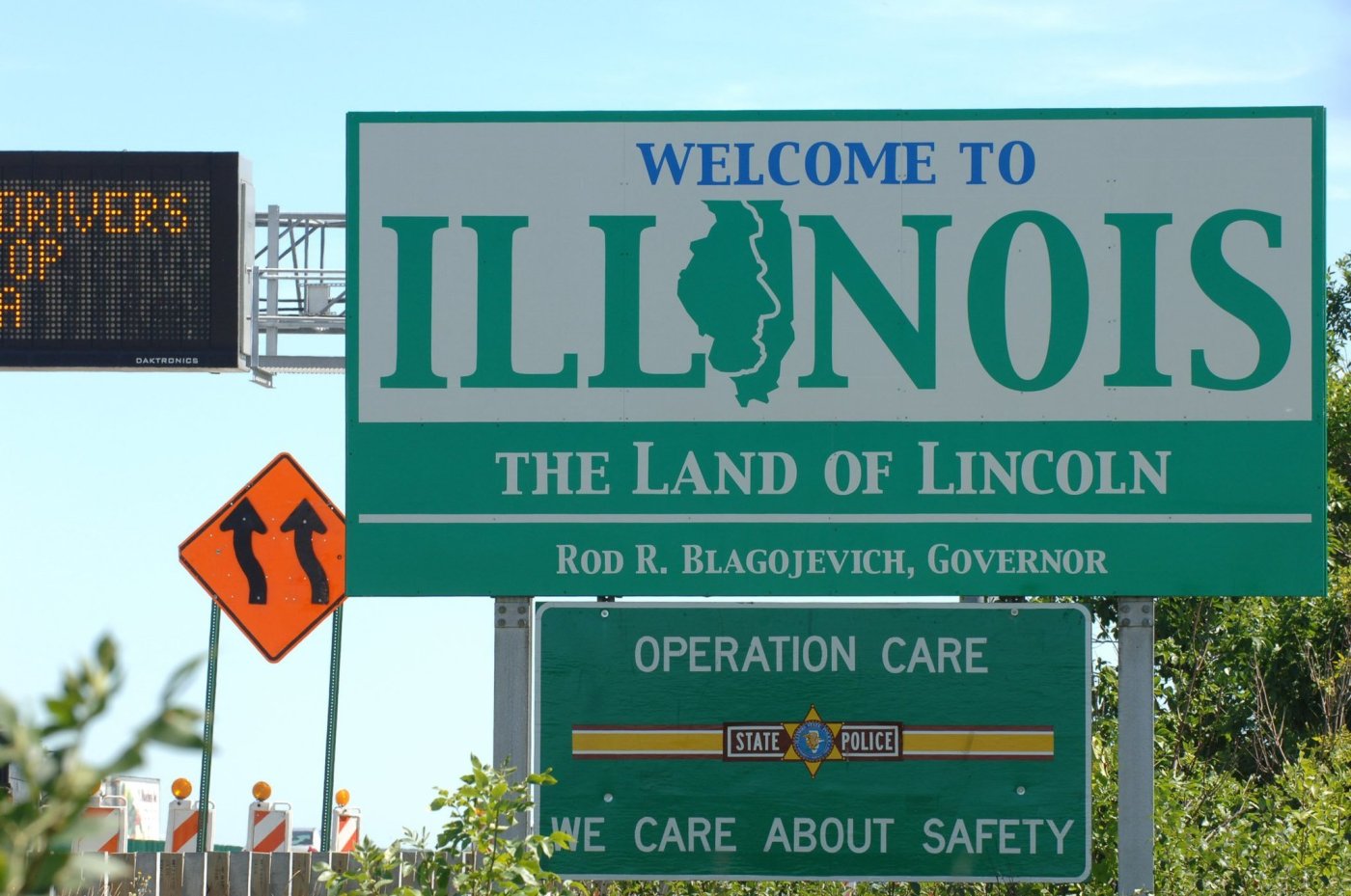
URGENT UPDATE: New data from the U.S. Census Bureau reveals that Illinois‘s population growth has stagnated, with a meager increase of just 16,108 people over the past year. As the state grapples with severe challenges including frigid winters, job losses, and high taxes, its total population now stands at 12.7 million. This plateau raises serious questions about the future of the Land of Lincoln.
Despite being the sixth-largest state in the U.S., Illinois is being overshadowed by faster-growing states like South Carolina, which welcomed nearly 80,000 new residents in the last year alone. Other states such as Texas, North Carolina, and Utah are also outpacing Illinois in population growth, driven by factors like favorable climates and job opportunities. North Carolina, for example, has experienced a staggering influx, with almost 140,000 people moving there in 2024.
The slow growth in Illinois is compounded by a troubling trend of outbound migration. Analysis indicates that from 2020 to 2024, approximately 139,399 people left the state. In fact, last year alone saw 56,000 residents pulling up stakes, seeking better opportunities elsewhere. This trend has left Illinois trailing behind neighboring states like Indiana, Wisconsin, and Missouri in attracting new residents.
As Illinois continues to lose its regional status, the implications are significant. With fewer residents, the tax burden on those who remain increases, straining local economies. Additionally, the state risks losing congressional seats and political clout as its population fails to keep pace with the national growth rate.
Local developments, such as the proposed 800-acre mega-plan in Mundelein by the Wirtz family, owners of the Chicago Blackhawks, may also face uncertainty. The viability of such ambitious projects hinges on a robust population growth that currently seems unlikely.
The emotional toll of these developments is palpable for Illinois residents, who face the reality of stagnant growth amid a nationwide trend of migration towards states with better prospects. The ongoing challenges—including high taxes, crime rates, and a less favorable business climate—could further exacerbate the outflow of people seeking a brighter future elsewhere.
As these dynamics unfold, the question looms: What will it take for Illinois to reverse its fortunes? With neighboring states rapidly gaining ground, the urgency for effective policy changes has never been greater.
Stay tuned for more updates as this situation develops.