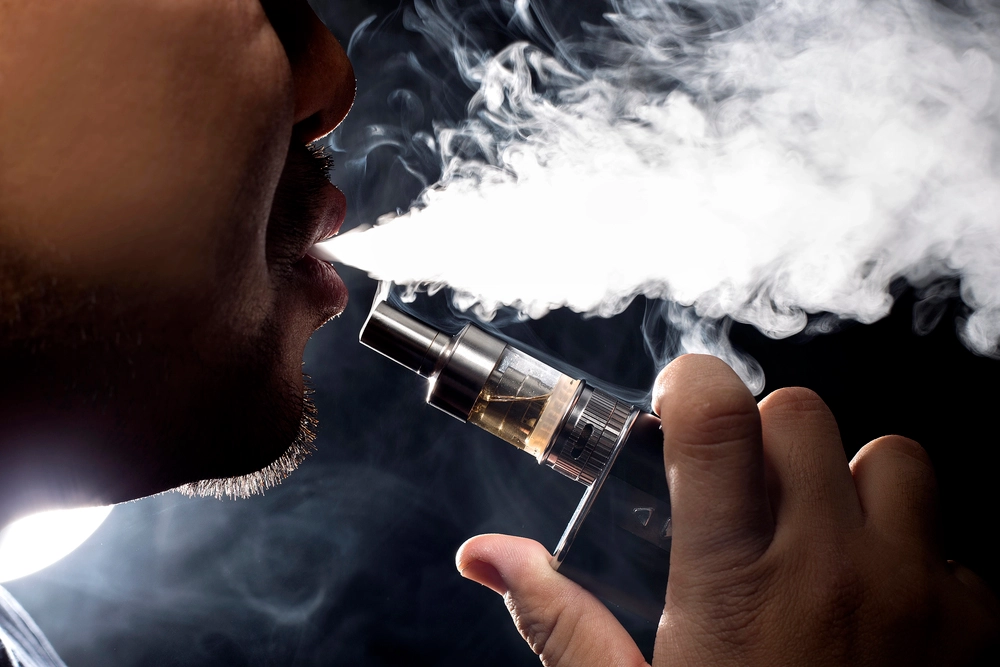
URGENT UPDATE: Alarming new research reveals that illegal disposable vapes circulating in Hungary contain hazardous levels of carcinogenic heavy metals. The findings, published by researchers at the University of California, Davis, are raising serious public health concerns across Europe.
The recent study tested three popular disposable vape brands and uncovered dangerous substances, including lead, nickel, and antimony. All three metals are classified as carcinogenic by international health organizations. For instance, exposure to nickel is linked to respiratory cancers, asthma, and cardiovascular diseases, while lead is a notorious neurotoxin with no safe exposure level.
One shocking revelation from the study indicates that a single vape device can expose users to as much lead as smoking 19 packs of conventional cigarettes. The lead researcher noted that components made from leaded copper alloy were found within the devices, posing a significant risk even before use.
Despite existing laws that restrict the sale of tobacco products to licensed shops, unregulated vape devices are flooding the online market in Hungary. The National Tax and Customs Administration (NAV) has been actively conducting raids, seizing illegal devices. Recently, one operation netted 100 illegal devices from an online trader, resulting in fines potentially reaching millions of forints.
The dangers extend beyond chemical exposure. Experts warn that many seized devices contain poorly secured lithium-ion batteries, which can overheat, leading to fires or short circuits. These batteries, often transported in cardboard boxes without proper thermal protection, may become unstable before reaching consumers.
Authorities are intensifying their efforts to combat this public health crisis. Current regulations prohibit the sale and online purchase of flavored e-cigarettes, with fines ranging from 1 to 50 million forints for individuals, and 5 to 500 million forints for businesses. The NAV, along with the Supervisory Authority for Regulated Activities (SZTFH) and the Hungarian Competition Authority (GVH), are actively shutting down webshops and conducting undercover test purchases.
However, these measures may not be sufficient. Data from the National Public Health Centre reveals that 22 percent of Hungarian students aged 13-15 have already experimented with e-cigarettes, with 10 percent using them regularly. This indicates that the black market is effectively reaching its target demographic.
To address this issue, experts advocate for a multi-faceted strategy that includes stricter customs inspections for parcel deliveries, mandatory chemical testing of legally sold devices, and comprehensive school prevention programs. These programs should not only focus on prohibiting e-cigarettes but also educate students about the specific health risks associated with lead exposure and carcinogenic metals.
The urgency of this situation cannot be overstated. As illegal vape devices continue to pose significant health risks, both consumers and authorities must remain vigilant. The time for action is now to protect public health in Hungary and beyond.
Stay informed on this developing story as authorities work to address these alarming findings and protect the health of the public.