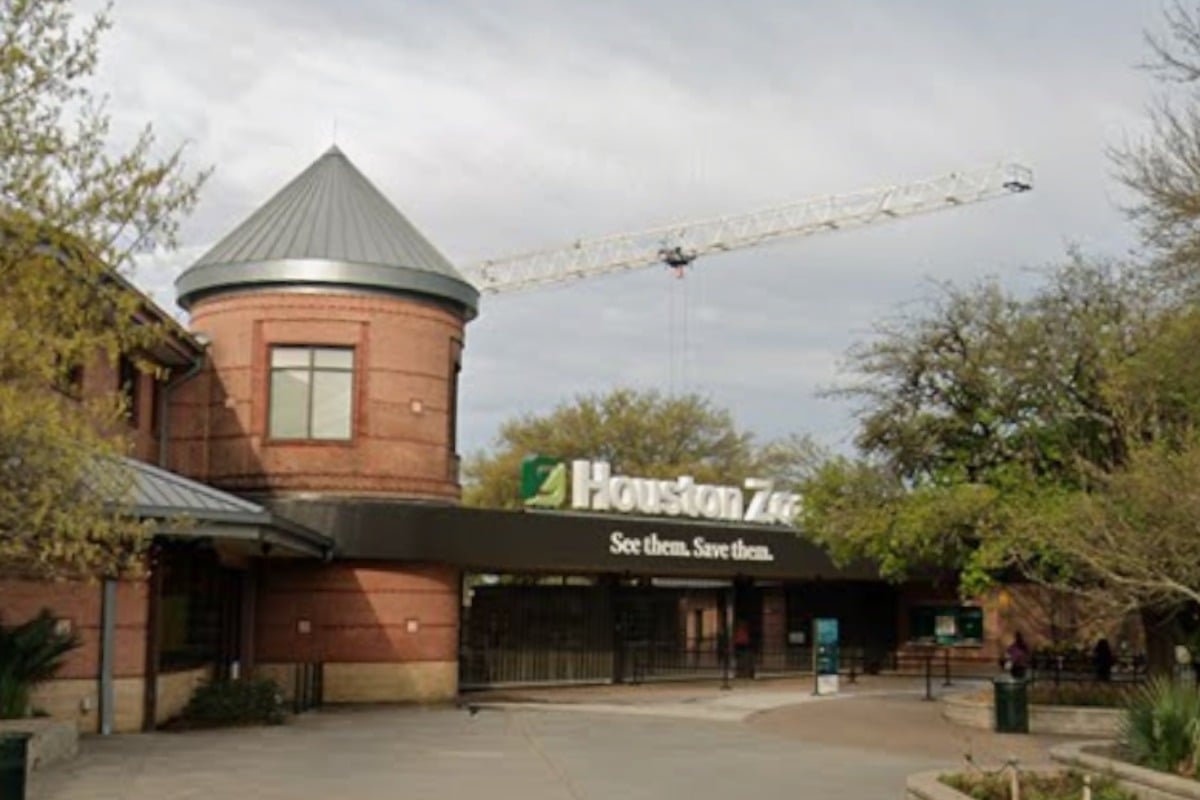
URGENT UPDATE: Researchers in Houston have made a groundbreaking advance in elephant conservation, potentially saving baby elephants from a deadly threat. A new mRNA vaccine developed by the Houston Zoo and Baylor College of Medicine is showing promise in protecting Asian elephants from the lethal elephant endotheliotropic herpesvirus (EEHV).
First administered on June 18, 2024, the vaccine has already been utilized at several U.S. zoos. Early reports from the Cincinnati Zoo reveal that two young males, Sanjay and Kabir, vaccinated last year, have tested negative for EEHV after initially showing infections. Zoo staff report that these calves developed robust antibody responses and successfully cleared low-level infections without progressing to severe illness.
This urgent breakthrough stems from a long-standing collaboration between the Houston Zoo and virologist Dr. Paul Ling at Baylor, initiated after the tragic loss of a young calf named Mac due to EEHV. The first field dose was administered to Tess, a 40-year-old Asian elephant, with ongoing monitoring of her health and antibody levels.
As news of Houston’s success spreads, more accredited institutions have joined the initiative. The Fort Worth Zoo has vaccinated its calf, Brazos, with two doses, and the Syracuse’s Rosamond Gifford Zoo has vaccinated rare twin calves as part of coordinated testing. Researchers are actively collecting blood samples to track immune responses across various herds.
Veterinarians are optimistic because EEHV is the leading cause of death for juvenile Asian elephants in captivity. With a high fatality rate in symptomatic cases, an effective vaccine could drastically reduce mortality rates and change conservation strategies for endangered populations.
However, experts urge caution. The program is still in its early stages, and wider rollout will depend on further data, production capabilities, and coordinated protocols. Despite these challenges, supporters, including funders like Colossal Biosciences, are hopeful about the initial outcomes for elephants in human care and potentially for at-risk wild populations.
As monitoring efforts expand and additional animals are added to the trial, Houston’s decades-long commitment to elephant health could evolve into a vital global resource against a disease that has long threatened the future of Asian elephants. This is a developing story that could reshape conservation efforts, and we will continue to provide updates as more information becomes available.