URGENT UPDATE: Harvard University’s student ethicist, Andrés Muedano, has sparked controversy by advising students to consider severing ties with friends who identify as Zionists. This development comes as a response to an anonymous student’s inquiry about the ethics of maintaining friendships amid rising tensions surrounding Israel’s actions in Gaza.
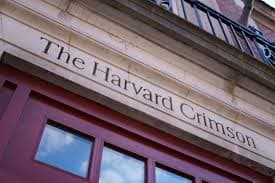
The student, who identifies as “Jewish and anti-Zionist,” expressed uncertainty about remaining friends with those who support the Jewish right to self-determination, questioning if they should also “let go” of friends who hold differing views. Muedano’s column, published in The Crimson on October 12, 2023, not only validates this dilemma but also suggests that there may even be a moral obligation to cut ties with those deemed morally objectionable.
In his response, Muedano discusses the complexity of Zionism, noting that it encompasses a range of beliefs, from support for a two-state solution to more hardline stances that justify military actions in Gaza. He acknowledges the emotional toll these differences can create, saying, “The matter is simple… the answer is yes,” when asked if the student is justified in distancing themselves from Zionist friends.
This provocative stance has ignited debate across social media platforms. Prominent figures like Rabbi David Wolpe, a respected American Jewish leader, criticized the column, stating it reflects a troubling trend in undergrad reasoning. Wolpe, who recently resigned from Harvard’s antisemitism advisory committee following the fallout from former president Claudine Gay‘s congressional testimony, remarked on X that the article showcases a “dispiriting display” of reasoning among students.
Harvard’s Jewish community, including the Chabad center, has also voiced concern over the implications of Muedano’s advice. They questioned the double standard in the ethical considerations presented, asking whether similar guidance would be given regarding friendships with Muslims or gay individuals.
As discussions continue to unfold, the emotional impact on students navigating identity and friendship amidst polarized views has become increasingly apparent. Muedano’s conclusion emphasizes the right to dissolve friendships, while simultaneously advocating for faith in the inherent decency of others, regardless of differing beliefs.
This ongoing conversation at Harvard not only highlights the complexities of political and social identities within the campus community but also underscores a broader societal question: how do we navigate relationships in a world increasingly divided by ideological lines? As the situation develops, students and observers alike are keen to see how these discussions will shape interactions and community dynamics moving forward.
Stay tuned as we continue to monitor this evolving story and its implications within Harvard and beyond.