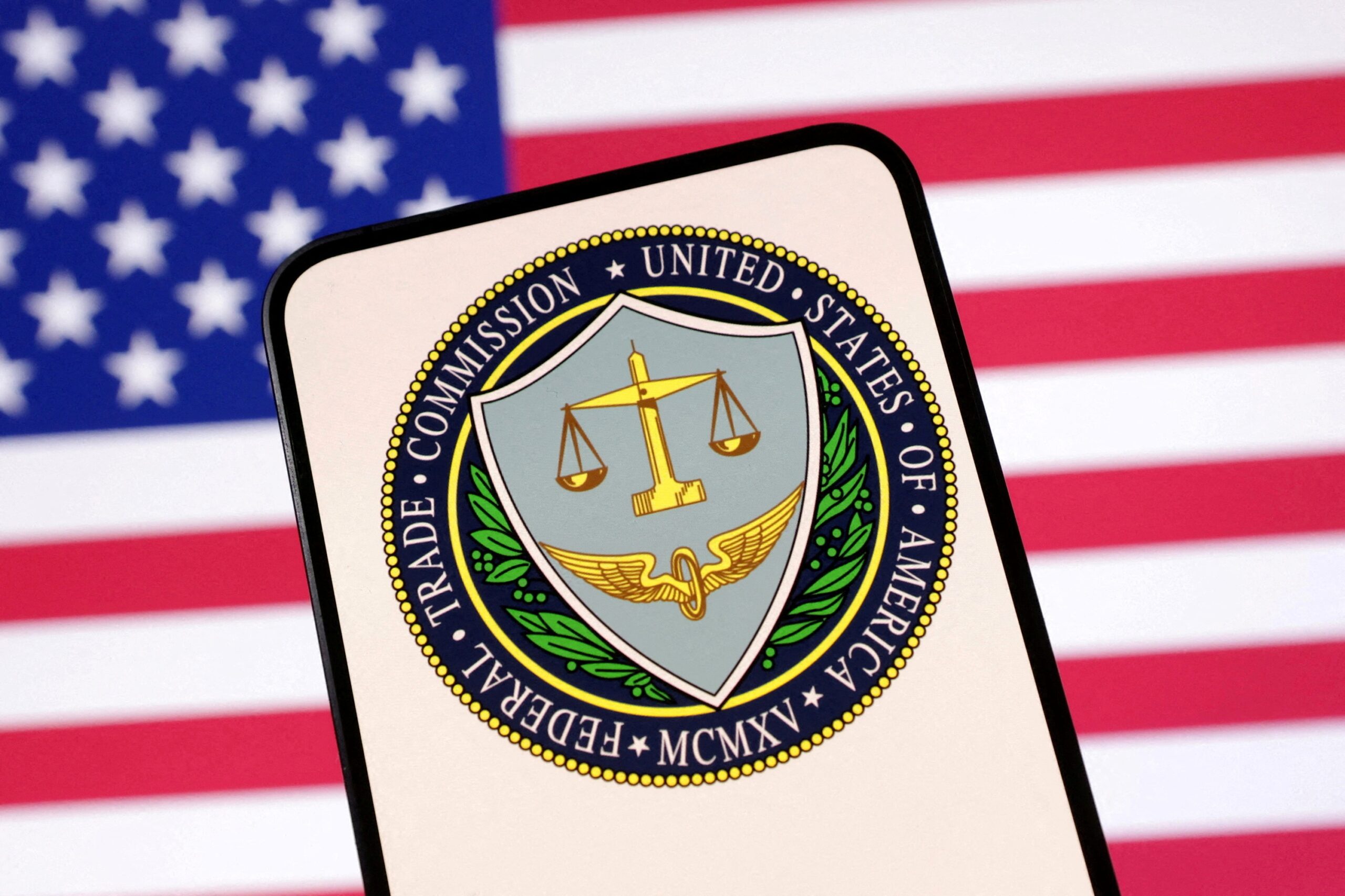
The Federal Trade Commission (FTC), led by Chairman Andrew Ferguson, is confronting a lawsuit from the news accuracy rating company NewsGuard. This legal battle arises as the agency investigates potential antitrust violations related to the $25 billion merger between advertising giants Interpublic and Omnicom. The FTC’s inquiry centers on the agencies’ reliance on news rating services that assess whether media outlets disseminate allegedly misleading content.
Ferguson’s leadership has been characterized by a commitment to protect free speech and fair competition. His efforts come in response to concerns that such rating services may unfairly favor certain news outlets over others, particularly those with left-leaning perspectives. According to a report by Charles Gasparino, the scrutiny of these services is rooted in apprehension about their influence on advertising dollars.
The controversy surrounding NewsGuard is not new. Critics have drawn comparisons to the now-defunct Global Alliance for Responsible Media (GARM), which faced backlash for allegedly using its control over a significant portion of global marketing expenditure to suppress free speech online. A 2024 House Judiciary Committee report highlighted these practices, suggesting that GARM’s framework was detrimental to diverse viewpoints in the media landscape.
NewsGuard asserts that its ratings are based on journalistic accuracy, yet its methodology has raised eyebrows. The company rated The New York Times and The Washington Post with perfect scores, while assigning a lower rating of around 70 to The New York Post. This disparity has prompted accusations of bias, particularly from those who argue that the outlets rated highly have propagated misinformation themselves.
The implications of these ratings extend to advertisers, who may be swayed by the perceived credibility of news sources. Critics point out that NewsGuard has targeted publications that challenge mainstream narratives, such as those related to the Great Barrington Declaration. This document, authored by leading medical professionals, argued against strict pandemic lockdowns, suggesting that such measures might cause more harm than good.
Independent journalist Matt Taibbi has criticized NewsGuard’s alignment with governmental narratives, while fellow journalist Lee Fang described the company as emblematic of a broader issue within the media landscape. Fang noted that self-styled “disinformation” experts can inadvertently stigmatize news publishers that present dissenting viewpoints, effectively undermining journalistic integrity.
In response to concerns about censorship, Ferguson has emphasized that the practices of NewsGuard may violate the Sherman Antitrust Act. He argues that the company’s influence over advertising decisions could limit the diversity of voices in the media. Ferguson’s commitment to addressing these issues has been evident since he assumed leadership of the FTC.
As the FTC continues its investigation, the implications of the outcome could reshape the relationship between advertising agencies and news rating services. The agency’s actions could set a precedent for how such organizations operate within the digital advertising landscape, potentially allowing for a more equitable distribution of advertising revenue among diverse media outlets.
Chairman Ferguson’s resolve to challenge NewsGuard and its practices reflects a broader commitment to ensuring that free speech and fair competition remain at the forefront of the conversation surrounding media integrity. The ongoing legal battle will likely attract significant attention as it unfolds, highlighting the complexities of regulating information in an increasingly digital world.