UPDATE: Groundbreaking DNA technology is cracking long-unsolved cold cases, delivering justice decades after heinous crimes. Recent breakthroughs have unveiled shocking truths about killers’ identities, raising crucial questions about public safety and investigative methods.
In a series of developments, authorities have reported significant progress in multiple cold cases, including a case involving a former LAPD detective. After nearly 40 years, DNA evidence revealed that the murderer of Sherri Rasmussen, found dead in her Los Angeles condo in 1986, was LAPD officer Stephanie Lazarus. This shocking revelation has sent shockwaves through the community and prompted a reevaluation of police conduct in such cases.
In New York, a 1984 murder was solved through advanced DNA techniques, linking Daniel Bilodeau to the crime via DNA from a discarded straw. Bilodeau, indicted on charges of murder, faces a potential sentence of 25 years to life if convicted. This breakthrough highlights the power of forensic genealogy and its role in modern criminal investigations.
Meanwhile, the case of Leslie Preer, a Maryland mother murdered in May 2001, has been resolved thanks to a genealogy database. After years of fruitless leads, investigators matched DNA from the crime scene to Gligor Gligor, a former neighbor who pleaded guilty to second-degree murder. His confession has finally given closure to a grieving family.
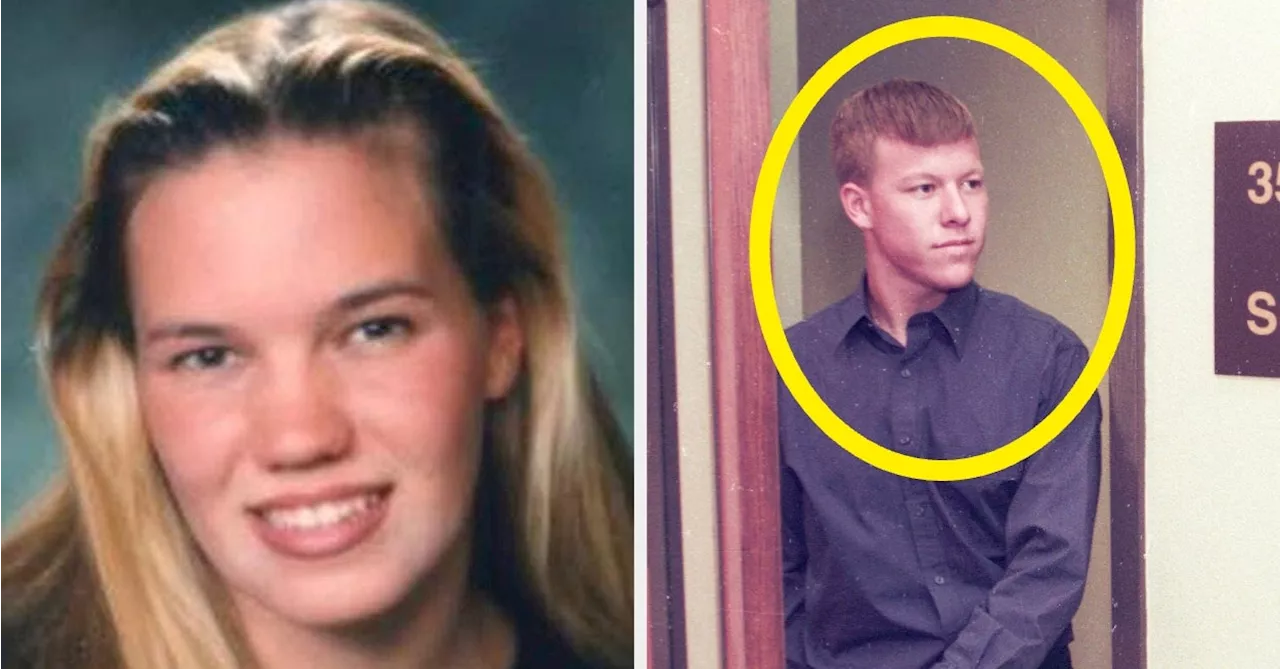
In a case that haunted investigators for over half a century, DNA technology has also revealed the identity of a suspect in the murder of a young woman missing since 1970. A forensic genealogy review identified Forrest Clyde Williams III as a primary suspect, although he died in 2018. Authorities continue to pursue the case, seeking further connections to the crime.
Another chilling case recently resolved is that of April Tinsley, who was abducted and murdered in Indiana in 1988. Through advanced DNA phenotyping, authorities traced the trail to John D. Miller, who confessed to the crime and was sentenced to 80 years in prison in December 2018.
Additionally, the long-unsolved murder of Jennifer Welch in Tacoma, Washington, has also seen a breakthrough. In 2018, detectives linked the crime to Robert Dwane Washburn, who had once volunteered tips about the case. He was sentenced to 26 years and 6 months in prison, finally bringing closure to a community long haunted by the case.
With these recent developments, the use of DNA technology has proven invaluable in solving cold cases that once seemed impossible to crack. Investigators are now better equipped to analyze evidence, leading to breakthrough arrests and guilty pleas that were once considered unattainable.
What to Watch For: As these cases unfold, expect further updates on legal proceedings and potential implications for similar cold cases across the nation. The integration of advanced forensic techniques into criminal investigations is likely to continue reshaping how law enforcement approaches unsolved mysteries, providing hope to families still seeking answers.
The ripple effects of these breakthroughs extend beyond the courtroom, offering hope to countless families who have awaited justice for years. As DNA technology advances, so does the possibility of bringing closure to more cold cases, transforming the landscape of criminal investigations.