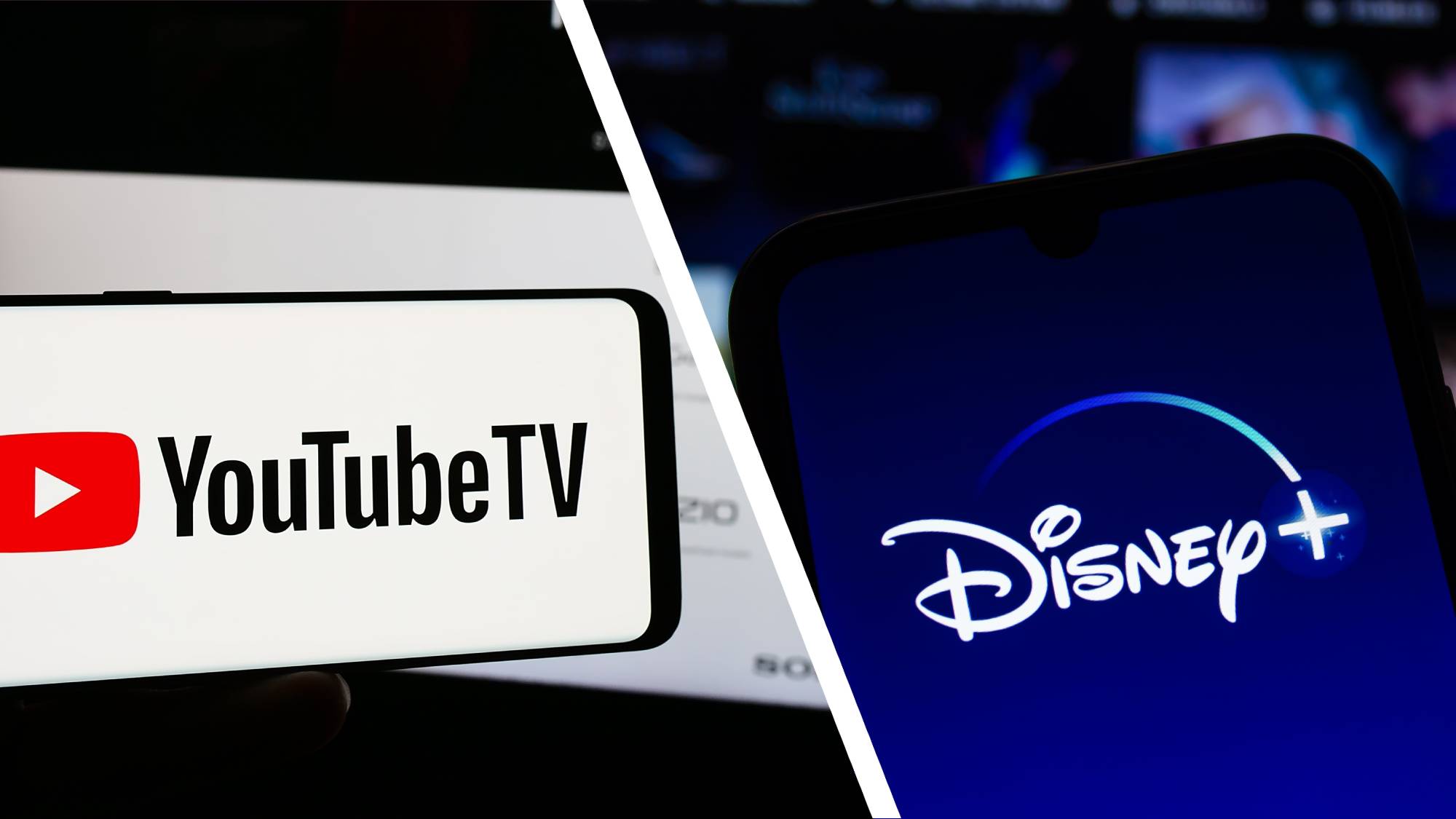
UPDATE: The escalating clash between Disney and YouTube TV is causing immediate repercussions, with Sinclair Broadcasting’s CEO, Chris Ripley, reporting a staggering $1 million loss due to the fallout. This conflict, which has raged for nearly a week, is now impacting local ABC stations, raising urgent concerns about the future of broadcast access for millions of viewers.
On a recent earnings call, Ripley highlighted the negative effects of the ongoing dispute, which has led to the removal of crucial Disney channels—including ESPN, the Disney Channel, and Nat Geo Wild—from YouTube TV’s platform. This blackout has left the service’s 10 million subscribers without vital content, including coverage of key U.S. elections and sports events.
In response to the service disruption, YouTube TV has announced it will issue a $60 credit to affected customers, but critics argue this is insufficient given the scale of the blackout.
Chris Ripley did not hold back during his statements, labeling the situation an “antitrust issue.” He warned that the ongoing battle between these media giants threatens to “hurt local viewers and local journalism.” Ripley emphasized the detrimental impact on consumers who might now be forced to subscribe to multiple streaming services to access content they previously paid for, stating, “Particularly concerning is that consumers are now being forced to buy more streaming services from one of the parties in the dispute to get the content that they literally already paid for.”
The FCC has taken note of the situation and has launched an investigation into the practices that are harming local broadcasters. Ripley called on Congress and antitrust regulators to intervene, stressing the urgency of the matter. “This was clearly not the intent of the Telecommunications Act of 1996,” he stated, highlighting the need for regulatory oversight in the face of such conflicts.
As the standoff continues, local broadcasters fear further losses and disruptions to their service. Sinclair is actively seeking solutions while urging consumers to voice their concerns. The situation remains fluid, with potential implications for how streaming services negotiate with content providers in the future.
Viewers are advised to stay tuned for updates as the situation develops, with both companies under pressure to reach a resolution soon. The outcome will not only affect subscription costs but could also reshape the landscape of media distribution in the U.S.
Follow TechRadar for the latest updates on this developing story and more critical news impacting the tech landscape. Click the Follow button on Google News and stay informed.