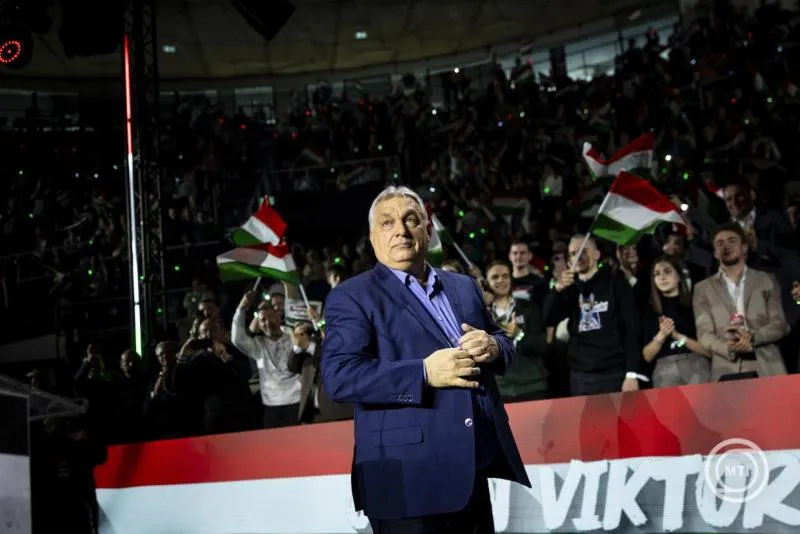
UPDATE: A diplomatic storm is unfolding between Hungary and Ukraine as Prime Minister Viktor Orban publicly responds to former Ukrainian President Viktor Yushchenko. In a critical exchange on March 14, 2026, Yushchenko urged Orban to “stop and remember who you were,” igniting tensions that could impact regional relations.
Orban’s response was swift and pointed. He took to the social media platform X, where he emphasized Hungary’s historical commitment to freedom. “We Hungarians have always been a nation of freedom fighters throughout our thousand-year history, and we will remain so,” he declared, referencing Hungary’s struggles against various powers, including the Ottoman Empire and the Red Army.
In an indirect warning to current Ukrainian President Volodymyr Zelenskyy, Orban cautioned against attempts to blackmail Hungary or threaten its leaders. He described the recent explosion of the Nord Stream gas pipeline as “state terrorism,” asserting that such tactics would not intimidate Hungary.
The Hungarian leader also highlighted Hungary’s humanitarian efforts during the ongoing war, stating that his country welcomed a significant number of Ukrainian refugees, providing them with food, shelter, and educational opportunities. However, he criticized the Ukrainian government for the plight of the Hungarian minority in Transcarpathia, claiming their rights have been increasingly restricted.
In a notable assertion, Orban made it clear that Hungary will not engage in the war, refusing to send financial aid, weapons, or troops to Ukraine. “We want to remain friends, but we will not fight,” he stated, expressing a desire for future amicable relations between the two nations.
This exchange marks a significant escalation in tensions between Budapest and Kyiv, as both countries navigate complex historical and political landscapes. Observers are closely monitoring the fallout from this public confrontation, as it could have lasting implications for Hungary’s role in regional geopolitics.
As the situation develops, both leaders’ next moves will be critical in determining whether diplomatic channels can remain open or if tensions will continue to rise.