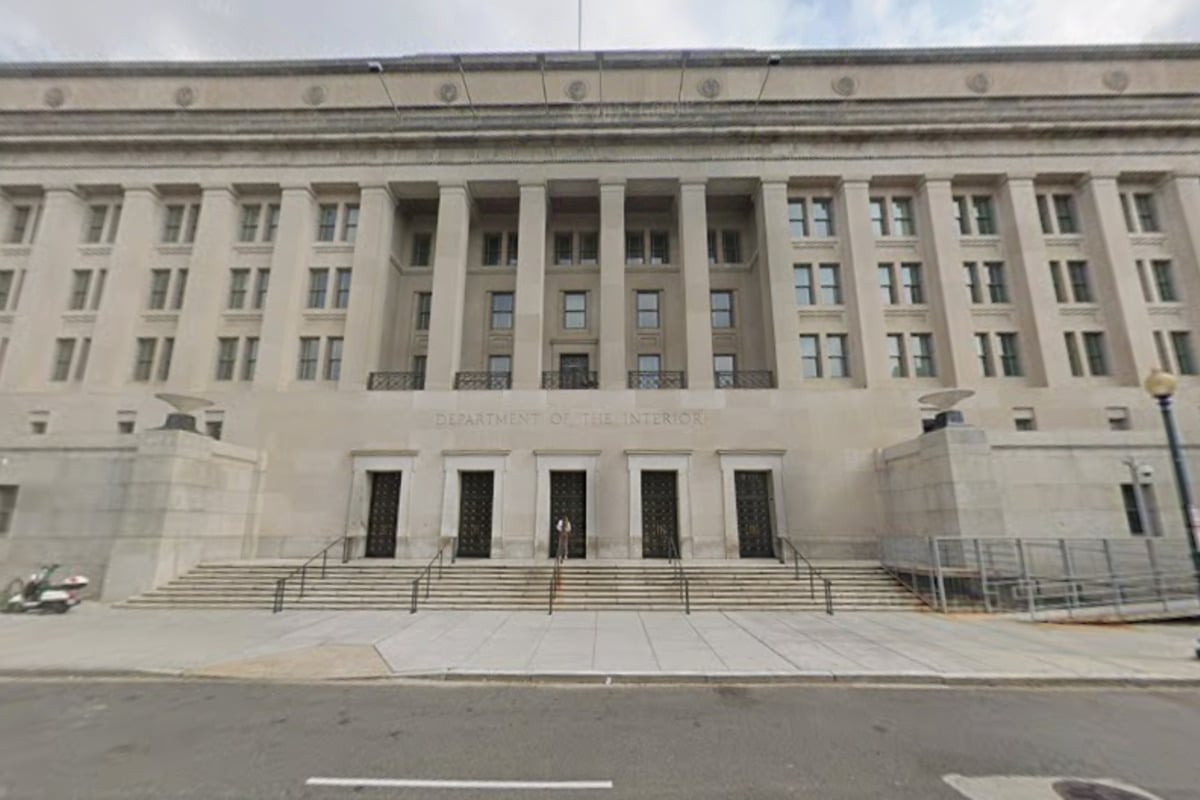
BREAKING: The U.S. Department of the Interior has just announced Secretary’s Order 3446, a bold initiative aimed at expediting water infrastructure projects across 17 Western states. This urgent move is designed to cut through bureaucratic delays, reduce costs, and accelerate the development of vital water resources as drought conditions persist in the region.
Under this new order, local water and power partners will gain enhanced authority to manage procurement processes and negotiate contract modifications, all under federal oversight. This shift is expected to streamline operations and bring immediate relief to families, farmers, and communities struggling with water shortages.
Secretary Doug Burgum emphasized the administration’s commitment to improving infrastructure, stating, “The Trump administration is focused on unleashing American infrastructure, cutting unnecessary red tape, and lowering costs for families, farmers, and communities.” He further noted that empowering local partners will result in faster project completion, delivering essential water and power resources to areas in dire need.
The first project under Secretary’s Order 3446 will be the B. F. Sisk Dam Raise and Reservoir Expansion, in collaboration with the San Luis and Delta Mendota Water Authority. This project aims to add 130,000 acre-feet of storage capacity to the San Luis Reservoir, which is crucial for managing the region’s water supply. The authority will take the lead on major procurement tasks, ensuring that the project moves forward without unnecessary delays.
In addition to expediting current projects, Assistant Secretary for Water and Science Andrea Travnicek confirmed that the order mandates a thorough review of the Bureau of Reclamation’s operational processes. This includes identifying further efficiencies in regulatory requirements, engineering design, and environmental compliance, with extensive coordination involving water and power users, tribal nations, and other stakeholders.
As the situation develops, the Department of the Interior may apply a similar strategy to other federal agencies, including the Bureau of Indian Affairs, to foster more efficient project implementation in the future.
WHAT’S NEXT: Stakeholders are urged to prepare for upcoming meetings and discussions to align on project timelines and responsibilities. As the West faces ongoing challenges related to water availability, this new directive could play a pivotal role in addressing critical infrastructure needs and supporting economic growth in the region.
Stay tuned for more updates on this developing story as the Department of the Interior moves forward with these transformative initiatives.