UPDATE: In a swift response to rising security concerns, members of Congress are pushing to block the sale of advanced artificial intelligence (AI) chips to China. This urgent legislation is fueled by fears of an escalating “AI arms race,” with key lawmakers asserting that American national security should never be compromised for profit.
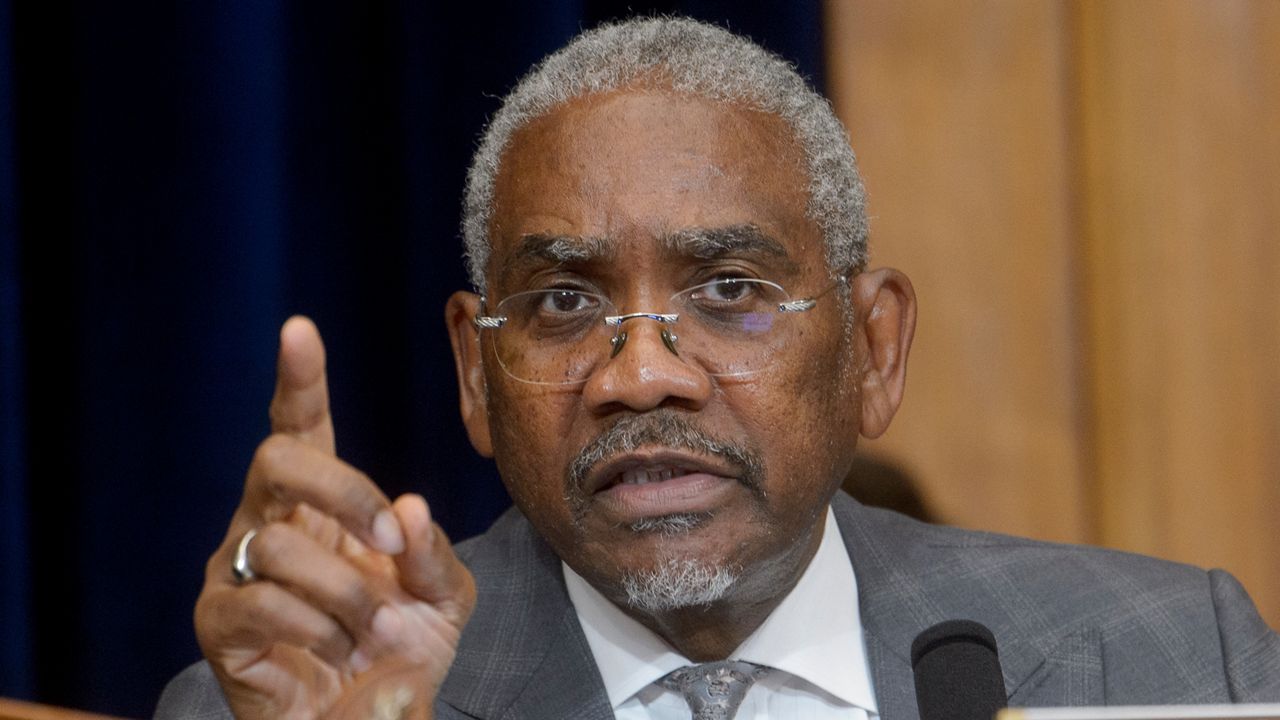
Rep. Gregory Meeks, the top Democrat on the House Foreign Affairs Committee, has introduced a bill that would prevent the approval of export licenses for advanced AI chips to arms-embargoed nations, including China, Russia, and Venezuela. This move follows President Donald Trump‘s controversial green light for Nvidia’s sale of H200 chips to China, a decision that Meeks condemned as crony capitalism.
“We cannot allow this deal to happen,” Meeks stated emphatically, highlighting the critical role these chips play in national defense. Earlier this month, the Department of Justice announced the arrest of two individuals for allegedly smuggling H100 and H200 chips to China, describing them as “the building blocks of AI superiority” essential for military applications.
Meeks’ legislation is a direct challenge to the ongoing negotiations, as he aims to safeguard U.S. interests during what he describes as a “strategic competition” with China. The stakes are high, with Meeks asserting, “We want to make sure that we lead it.”
In contrast, Rep. Brian Mast, the Republican chair of the House Foreign Affairs Committee, has introduced a competing bill that would still allow export licenses but grant Congress the authority to block these transactions within 30 days, pending a majority vote in both chambers. “Typically, Congress has not been successful in blocking such licenses,” Meeks admitted, signaling fierce political contention.
With Republicans controlling the House, Meeks is contemplating a discharge petition—a legislative maneuver that could force a vote if a sufficient number of lawmakers support it. “This is how we are legislating now,” he noted, indicating a shift in strategy amid partisan divides.
Trump has defended the Nvidia deal, arguing it will reduce demand for Chinese chips and maintain U.S. leadership in the semiconductor industry. He expressed on Truth Social that the transaction would also benefit the American economy through a 25% fee collected on the sale. Moreover, he claimed that Chinese President Xi Jinping reacted positively to the agreement, further complicating the legislative landscape.
As these discussions unfold, the implications for national security and international trade remain significant. The urgency of this situation cannot be overstated, with the potential for immediate consequences on U.S.-China relations and the global tech landscape.
Stay tuned for ongoing updates as Congress navigates this critical juncture in technology and security policy.