URGENT UPDATE: A recent discussion surrounding community assistance and personal independence has ignited a heated conversation among readers. In a compelling letter to R. Eric Thomas, a long-time homeowner expressed frustration over unsolicited help from neighbors, raising questions about perceptions of capability among the elderly.
The letter, published just hours ago, highlights the struggles of one individual who has lived in her home for over 30 years. As she faces mobility challenges and now relies on a walker, she feels her independence is undermined when neighbors assume she cannot manage her property. This sentiment was sparked after a neighbor’s son cleared her walkway without prior consultation, despite her existing arrangements for snow removal.
According to the letter writer, this incident reflects a broader issue: many people equate mobility challenges with a lack of mental acuity. “I have been unmarried, successful, and independent for a very long time,” she stated, emphasizing her desire for respect and autonomy in her home.
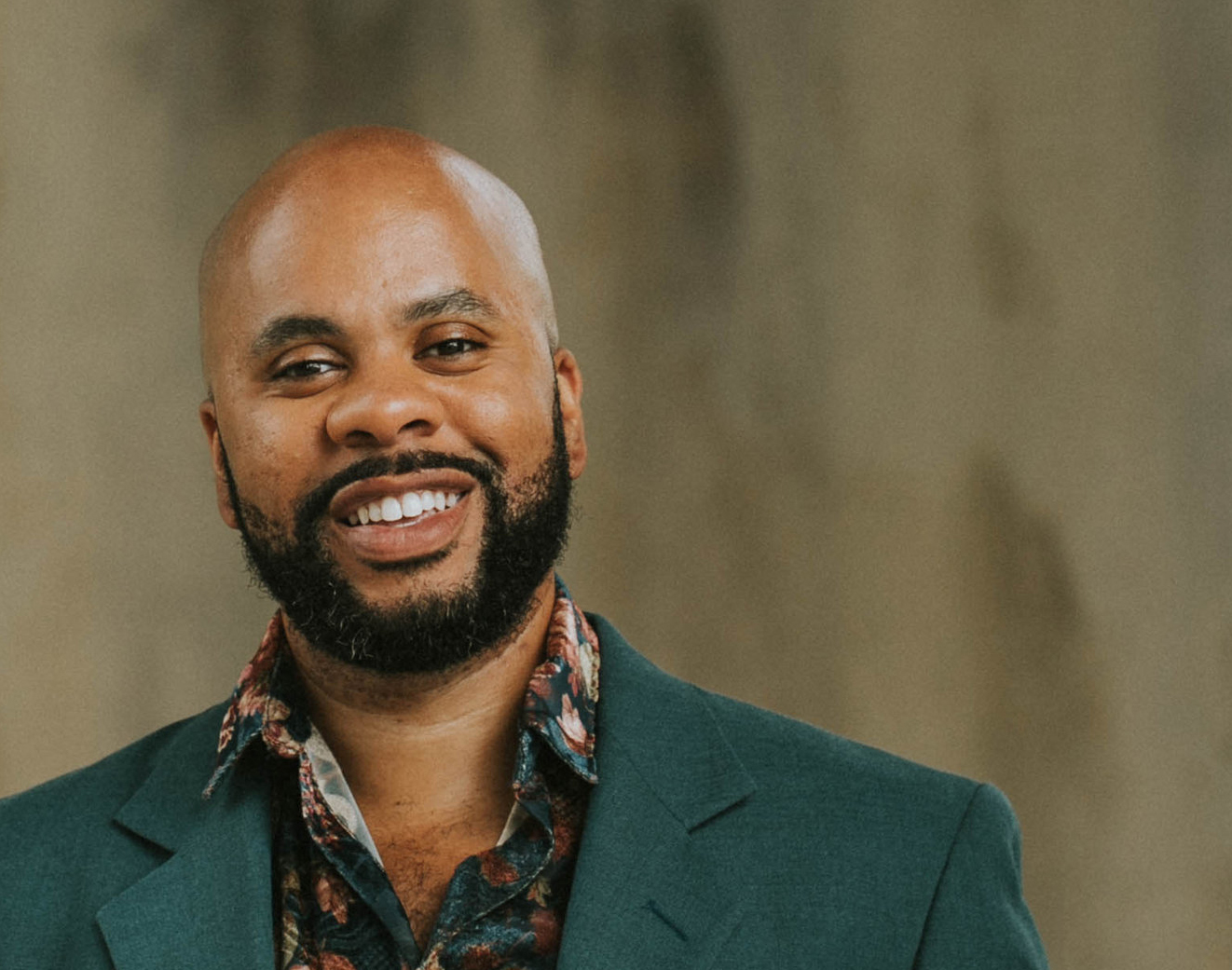
In response, Eric Thomas acknowledged the kind intentions behind such acts of assistance, suggesting they stem from a place of concern rather than an assumption of incapacity. He encouraged readers to view these gestures as opportunities for kindness rather than invasions of privacy.
Meanwhile, another correspondent raised a similar theme regarding personal boundaries during significant life events. With a wedding approaching in October 2026, a mother expressed her need for a separate room at the venue, as her relationship with her husband has changed. Her daughter’s request for the mother to relinquish her room to a friend was met with firm resistance. “We’re paying for everything,” she stated, asserting her right to prioritize her well-being during a hectic wedding weekend.
Thomas supported the mother’s decision, reinforcing that everyone deserves rest and comfort, especially during emotionally charged occasions like weddings. He underscored that prioritizing one’s needs does not diminish the importance of the event; instead, it enhances the ability to support loved ones.
In another poignant letter, a reader shared insights on supporting a friend facing cognitive decline due to a traumatic brain injury. This individual stressed the importance of maintaining social connections as crucial for mental health. They suggested accompanying the friend to medical appointments and providing transportation, emphasizing that as life changes, so too must the dynamics of friendships.
These letters reflect a growing awareness of the delicate balance between kindness and respect for autonomy in community interactions. As we step into 2026, these discussions remind us that while generosity is commendable, it is equally vital to recognize and honor the independence of those we aim to assist.
As this conversation develops, readers are encouraged to share their thoughts on community support and independence. Engage with us on social media or through Eric’s newsletter to contribute to this ongoing dialogue.
For more insights, send your questions to R. Eric Thomas at [email protected] or follow him on Instagram for updates.