BREAKING: The depths of the Chesapeake Bay are home to an astonishing 8,000 shipwrecks, stirring excitement among divers and historians alike. New findings reveal that these wrecks hold treasures and untold stories, igniting interest in the maritime history of this iconic region.
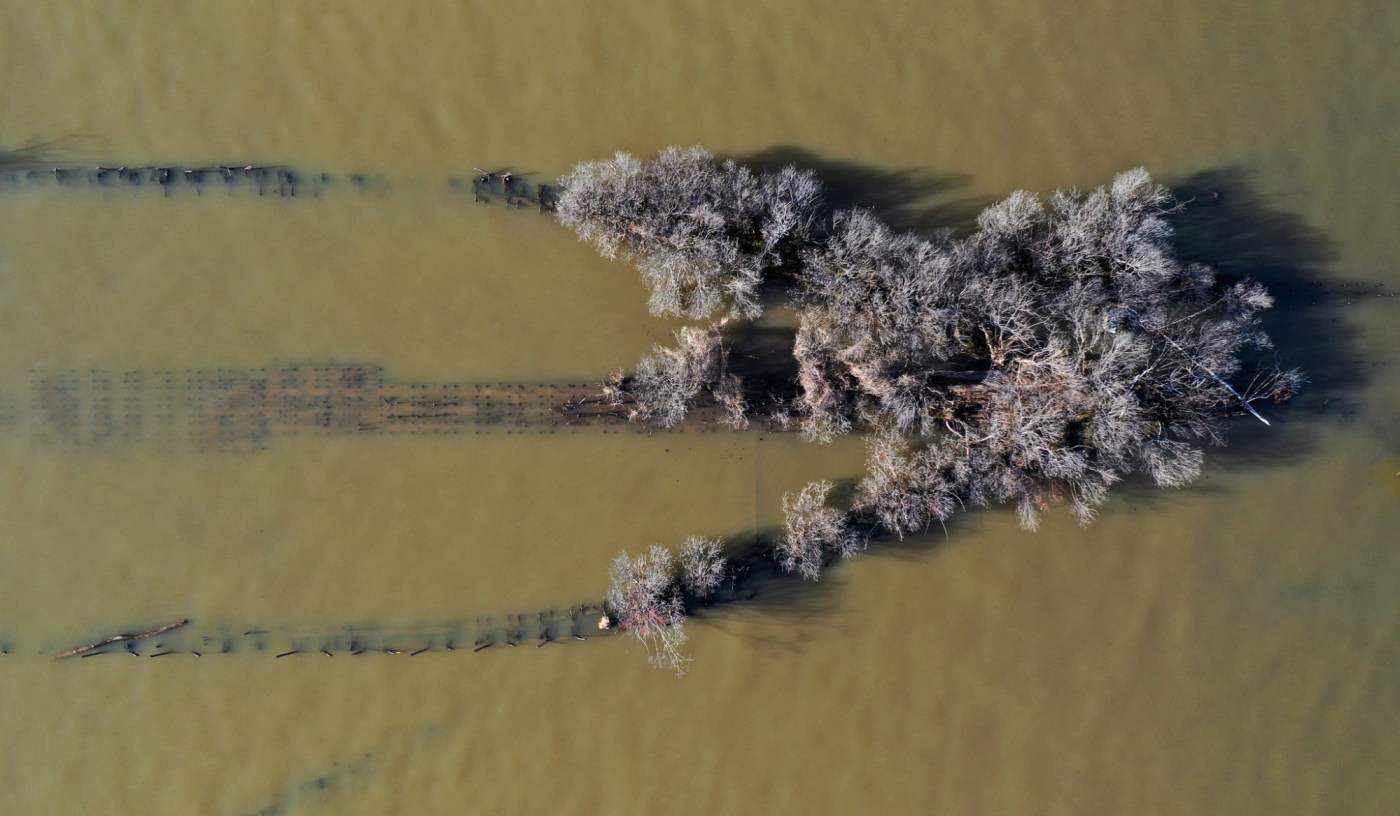
Recent investigations confirm that the Chesapeake Bay, covering 4,080 square miles, is a treasure trove of lost vessels, from famed pirate ships to World War II submarines. The Maryland Maritime Archaeology Program (MMAP), led by experts like Susan Langley, has dedicated over three decades to uncovering the secrets beneath the waves.
As divers and archaeologists delve into the lore of the bay, they are not just uncovering artifacts but also piecing together histories that resonate with human experiences. Don Shomette, a noted diver and historian, emphasizes, “A shipwreck is a time capsule from the moment it sank.” His exploration highlights the importance of preserving these sites for future generations.
Among the notable wrecks is the USS Tulip, a Union gunboat that tragically sank on November 11, 1864, claiming 49 lives. The wreck exemplifies the challenges faced by underwater archaeologists, as many sites are disturbed by treasure hunters. In 1994, divers pilfered artifacts from the Tulip before its remains were officially registered, sparking ongoing efforts to protect these underwater graves.
Another significant discovery occurred in the mid-1970s when a fisherman located the wreck of the SS New Jersey, a steamship that sank in a fire in 1870. This find led to increased interest and a subsequent legislative push that resulted in the Abandoned Shipwreck Act of 1987, safeguarding underwater historical sites across the nation.
The Chesapeake Bay is also home to the famed Ghost Fleet, a collection of World War I-era steamships resting near Nanjemoy. Declared a National Marine Sanctuary in 2019, this site continues to draw kayakers and fishermen, eager to explore its historical significance.
Additionally, divers can venture down to the remains of the U-1105, a Nazi U-boat scuttled in 1949. Located about 90 feet underwater, this site is a thrilling dive for those brave enough to explore its depths, showcasing the complex maritime history of the Chesapeake.
The MMAP, operating on a modest budget, is crucial for the preservation of these wrecks. Their educational initiatives, including the Shipwreck Tagging Archaeological Management Program (STAMP), invite the public to engage with maritime heritage, enhancing awareness about the value of these submerged artifacts.
As archaeologists and divers continue to unearth the bay’s mysteries, the stories of these shipwrecks serve as poignant reminders of human endeavors and tragedies at sea. “Every shipwreck tells its own amazing story,” said Langley, reflecting on her years of dedicated research.
With thousands of wrecks lying beneath the surface, the Chesapeake Bay remains a vital archaeological frontier, where each dive can potentially rewrite the narratives of our past. As interest surges, the call for preservation and respectful exploration resonates strongly among the maritime community.
Stay tuned for more updates as new discoveries surface from the depths of this historical waterway. The Chesapeake Bay is not just a body of water; it is a rich tapestry of history waiting to be explored.