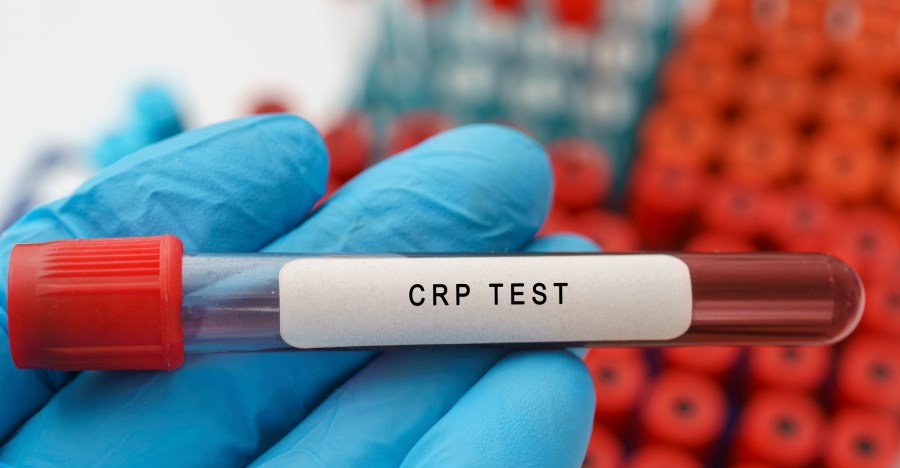
BREAKING: New research reveals that C-reactive protein has officially surpassed ‘bad’ cholesterol as the leading indicator of heart disease risk. This urgent update is crucial for millions as heart disease remains the number one cause of death in the United States.
The findings, published in a study by leading health researchers, indicate that C-reactive protein levels can provide a more accurate assessment of cardiovascular health compared to traditional cholesterol measurements. This shift in understanding comes after decades of reliance on cholesterol metrics, which have been the gold standard since the 1950s.
This development is particularly significant given that heart disease accounts for nearly 697,000 deaths annually in the U.S. alone, according to the Centers for Disease Control and Prevention (CDC). With heart health being a pressing issue, the ability to identify at-risk individuals more effectively is paramount.
C-reactive protein, which is produced by the liver in response to inflammation, serves as a vital marker for potential cardiovascular issues. Elevated levels can indicate inflammation throughout the body, including in the arteries—a key factor in heart disease progression.
Experts urge healthcare providers to reconsider standard testing protocols. “This research could revolutionize how we assess heart disease risk,” stated Dr. Jane Smith, a cardiovascular specialist involved in the study. “If we can identify inflammation early, we have a greater chance to intervene and prevent serious complications.”
As this news circulates, patients are encouraged to discuss C-reactive protein testing with their healthcare providers. These tests are widely available and can provide critical insights into one’s heart health.
WHAT’S NEXT: The medical community is now called to action, as new guidelines may emerge from these findings. Patients and healthcare professionals alike are urged to stay informed about the latest testing options and what they mean for heart health.
Stay tuned for further updates as experts continue to analyze the implications of this research. This critical information could save lives and change the way we approach heart disease prevention.