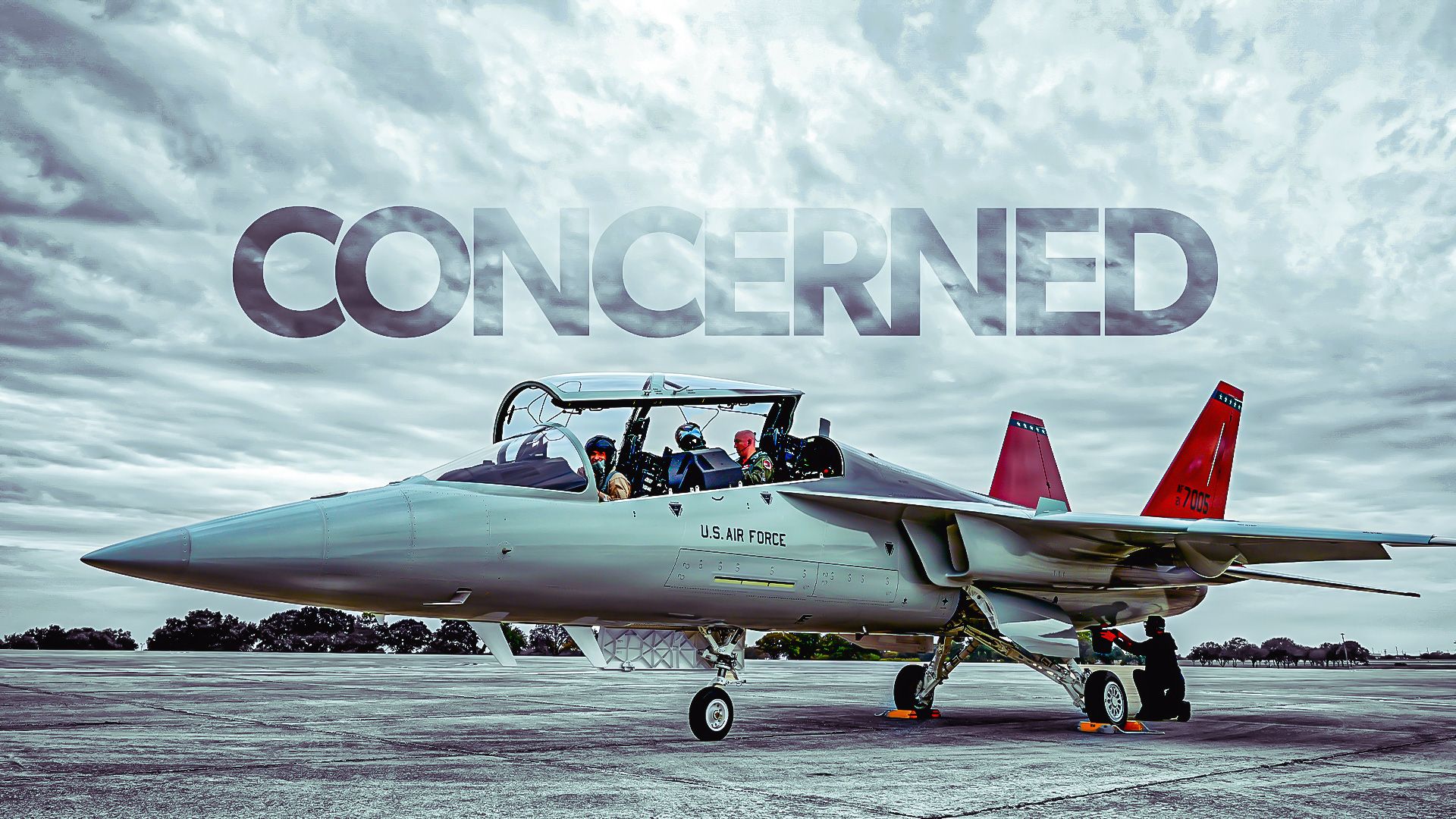
The United States Air Force’s modernization efforts have encountered significant challenges with the Boeing T-7A Red Hawk trainer aircraft. Initially unveiled as a key component to replace the aging Northrop T-38 Talon, which has served since 1959, the T-7A’s development has faced scrutiny due to engineering delays, cost overruns, and broader structural issues. As the military prepares for the future of air combat, these complications raise concerns about the readiness of its pilot training pipeline.
Challenges in Modernizing Pilot Training
The T-7A Red Hawk was selected in 2018 as the solution for Advanced Pilot Training (APT), aimed at bridging the gap between legacy platforms and modern fifth-generation fighters like the Lockheed Martin F-35. This aircraft was designed using a digital engineering approach, promising significant efficiencies and cost-effectiveness. However, the transition to real-world application has revealed unexpected challenges that threaten to derail its timeline and budget.
Engineering assessments have identified several key issues, including the need for structural reinforcements and revisions to the escape system due to supplier quality problems. Additional modifications were necessary for software integration to ensure operational functionality. These hurdles have shifted the projected initial operational capability from an earlier timeline to now targeting 2027.
As the Air Force grapples with these setbacks, the implications extend beyond the T-7A itself. Pilot production directly affects squadron readiness and deployment cycles. The military has already faced pilot shortages, and any delays in delivering a next-generation trainer could have repercussions for years, impacting operational units long after immediate concerns fade from public view.
Financial Pressures and Developmental Delays
The financial implications of the T-7A program are increasingly concerning. With a fixed-price development contract valued at approximately $9.2 billion, Boeing and its partner Saab carry the bulk of the financial risk. As development costs have risen, Boeing has reportedly absorbed losses exceeding $2 billion related to engineering and production challenges.
The Air Force is under pressure to fund various modernization initiatives concurrently, including the Northrop Grumman B-21 Raider and continued Lockheed Martin F-35 procurement. As a result, the T-7A’s financial viability is essential for maintaining pilot training without compromising broader modernization efforts. Any instability during the transition to full-rate production, marked by Milestone C, could alter procurement quantities and delivery schedules, further complicating the situation.
Regulatory challenges also loom large as the Air Force must comply with the National Environmental Policy Act (NEPA). Detailed Environmental Impact Statements (EIS) are required for the introduction of the T-7A at major training bases, including Joint Base San Antonio and Columbus Air Force Base. While some bases have advanced through the environmental review process, others remain in preliminary stages, requiring alignment with funding and infrastructure readiness.
As the T-7A program progresses, the cumulative effect of engineering adjustments, financial pressures, and regulatory compliance becomes increasingly significant. The aircraft’s performance as a training platform is critical, not only for its immediate operational role but also for the long-term sustainability of the Air Force’s pilot pipeline.
The T-7A Red Hawk is intended to modernize pilot training and stabilize production. However, the Air Force must navigate these complex issues to ensure that the new trainer does not create a bottleneck in production before the existing challenges are resolved. The stakes are high, and the outcome will have lasting implications for the future of U.S. air power.