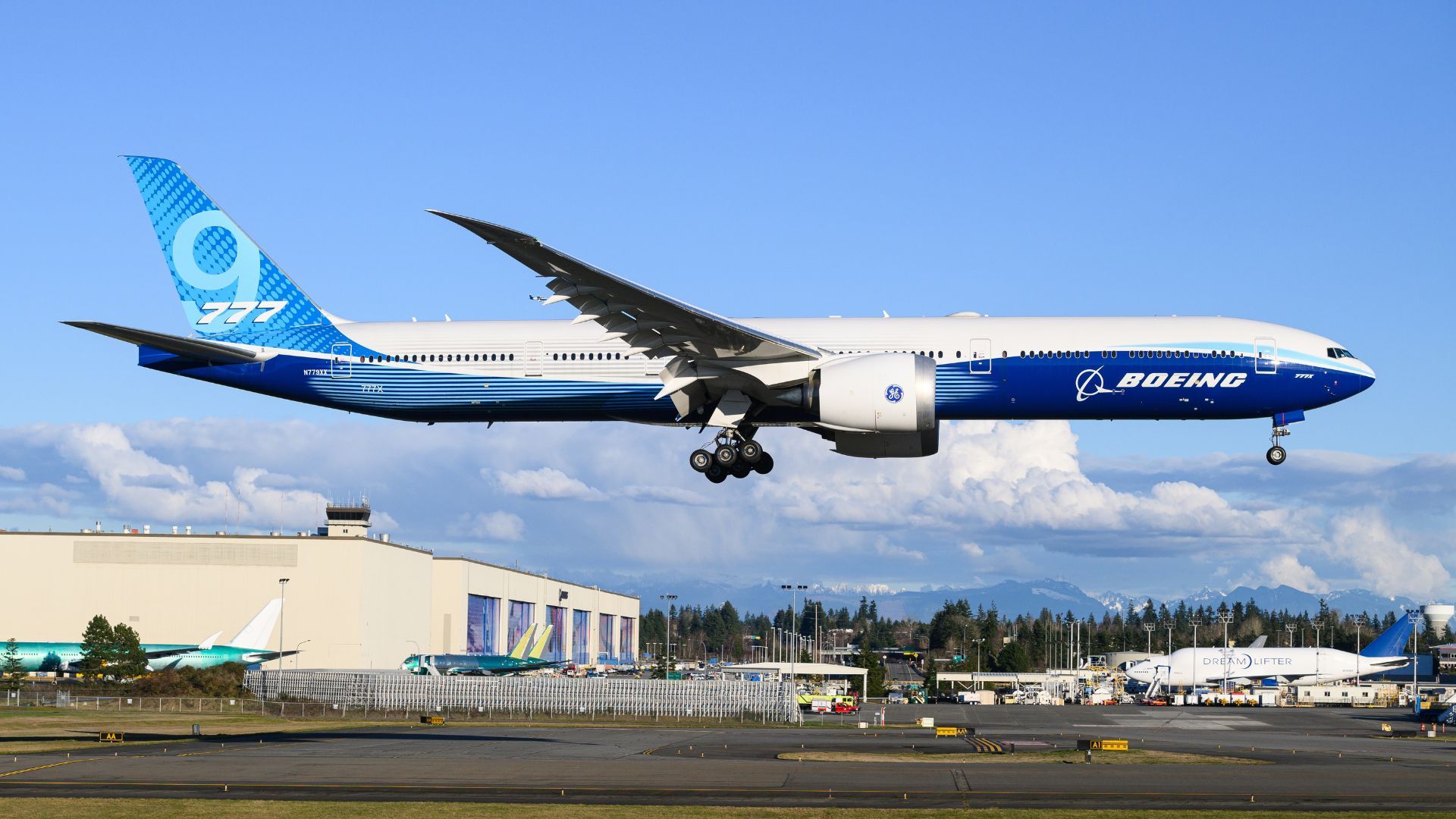
Boeing has achieved a significant milestone in its efforts to introduce the Boeing 777-9 into commercial airline service. On February 19, 2026, the Federal Aviation Administration (FAA) and the European Union Aviation Safety Agency (EASA) approved the program’s first pilot training simulators, marking a crucial step in the training and operational preparation for future operators. This approval pertains to simulators located at Boeing’s Training Campus in Gatwick, United Kingdom, with plans for additional simulators at various locations.
The qualification of these simulators allows airlines to transition from planning to execution. With aircraft certification still ongoing, the approval of the simulators alleviates one of the most significant uncertainties for airlines. Carriers can now establish timelines for pilot transition, instructor training programs, and crew availability well in advance of the first aircraft deliveries.
Importance of Simulator Qualification for Airlines
The newly approved full-flight simulators are authorized for both initial type-rating and differences training for the Boeing 777-9. These high-fidelity devices accurately replicate the aircraft’s handling characteristics, flight deck layout, and a comprehensive range of normal and non-normal scenarios. Attaining simulator qualification is a critical milestone, as it is typically granted once regulators confirm that the aircraft’s systems and flight controls demonstrate a high level of stability, indicating program maturity.
From an operational perspective, this development eliminates a major bottleneck in the path to entry into service. Airlines can now reserve simulator slots, initiate instructor qualifications, and align pilot training schedules with anticipated delivery timelines. The qualification significantly mitigates risk by ensuring that crew readiness will not hinder the aircraft’s commercial service launch.
Chris Broom, Vice President of Commercial Training Solutions at Boeing Global Services, stated, “The qualification of these training devices underscores our commitment to delivering high-quality training solutions that meet the needs of global airline customers and regulators.”
Operational Planning and Training Readiness
The approval of the training simulators reflects not only a technical milestone but also growing stability in the aircraft’s design and systems. Regulators require confidence that simulator behavior closely mirrors that of the actual aircraft, particularly concerning flight controls and abnormal procedures. This step suggests the program has progressed from iterative development toward standardization.
Access to simulators allows airlines to gain valuable insights into how the 777-9 will integrate into routine operations. Training departments can begin to validate assumptions regarding crew size, training duration, and procedural differences. Initial findings from simulator training cycles can influence broader strategic decisions related to scheduling, fleet deployment, and network planning.
Moreover, full-motion simulators enable operators to identify potential operational challenges well before the aircraft enters service. Feedback from early training cycles can lead to minor adjustments in procedures or documentation, smoothing the transition once the aircraft begins flying revenue routes.
The Boeing 777-9 is expected to transform long-haul travel, and the recent simulator qualification has shifted the focus from waiting for certification to preparing for execution. Beyond pilot conversion, these qualified simulators facilitate a broad range of airline operational readiness activities, including line-oriented flight training and complex scenario-based decision-making, enabling crews to rehearse realistic challenges before the aircraft is operational.
The timing of this approval allows airlines to set internal milestones with greater precision. Pilot training, instructor qualification, maintenance familiarization, and operational manual development can now progress concurrently, reducing the risk of last-minute constraints as the program advances.
Looking ahead, additional simulator qualifications are anticipated as more operators prepare for the induction of the Boeing 777-9. While final aircraft certification remains essential for entry into service, the groundwork for safe and efficient operations is being established. This milestone signifies a clear pivot for airlines, moving from simply monitoring the program’s progress to actively gearing up for day-one operations.