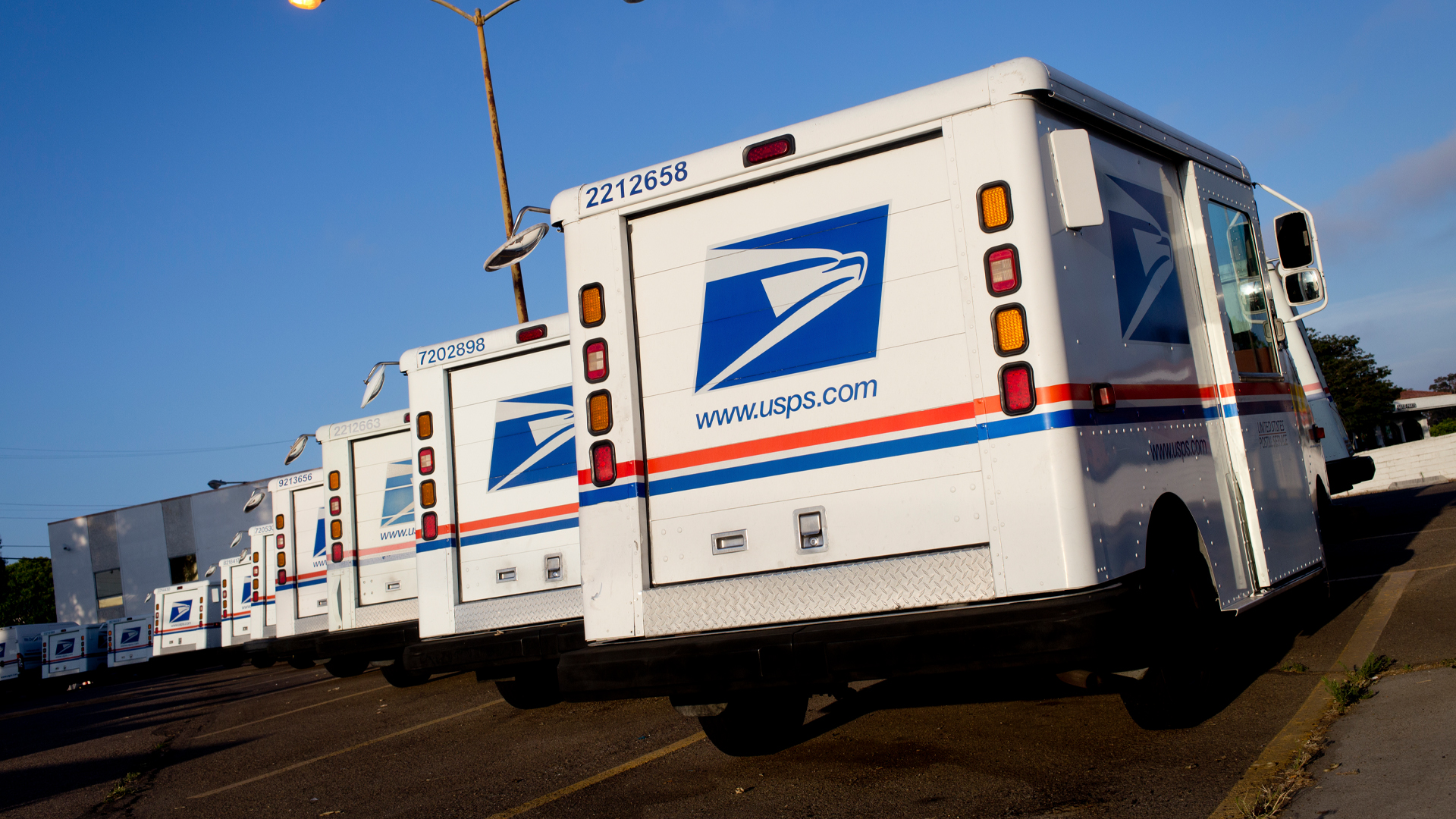
UPDATE: Major delivery disruptions are looming for millions of Americans as Amazon prepares to terminate its longstanding partnership with the US Postal Service (USPS). This decision is set to take effect when the current agreement expires in late 2026, following unfruitful negotiations. The split raises urgent concerns about package delivery times and reliability, particularly for those relying on fast online orders.
For decades, USPS has been a vital “last-mile” carrier for Amazon, especially in rural areas where private delivery services struggle. Without this collaboration, delivery options for customers in hard-to-reach locations may dwindle, leading to longer wait times for packages. This change comes as USPS grapples with severe financial challenges, reporting a staggering $9.0 billion net loss for the fiscal year 2025, following a $9.5 billion loss the previous year.
Amazon’s shift towards in-house deliveries is driven by a desire to enhance control over speed and costs. Reports indicate that the e-commerce giant is expanding its logistics network, which includes increasing its fleet of drivers and contractors in urban areas. As Amazon’s delivery operations grow, shoppers in metropolitan locations may notice different uniforms as Amazon drivers take over more drop-offs. However, the impact on rural communities is expected to be more pronounced, with potential disruptions in service reliability.
The ramifications extend beyond just delivery timelines. Analysts warn that up to 100,000 jobs across postal operations and delivery services could be affected due to the impending changes. While not all positions will disappear immediately, a decline in package deliveries could lead to significant staffing adjustments in various regions. USPS has relied on a steady increase in package deliveries to offset dwindling traditional mail volumes, and losing Amazon’s business—estimated at over $6 billion annually—could pressure the agency to implement cost-cutting measures and route restructuring.
As USPS seeks to adapt, it has begun exploring ways to attract new business, including opening its delivery network to competitive bidding from other shippers. On Amazon’s end, this move is part of a broader trend toward vertical integration, allowing the company to manage its delivery system entirely. Critics argue that this shift could disadvantage smaller retailers unable to compete with Amazon’s speed and efficiency, potentially reshaping the landscape of the U.S. shipping market.
With the deadline approaching, millions of Americans are left wondering how this pivotal change will affect their online shopping experiences. As the situation develops, consumers should prepare for possible delays and shifts in delivery practices, particularly in less accessible areas.
Stay tuned for further updates as this urgent situation unfolds.