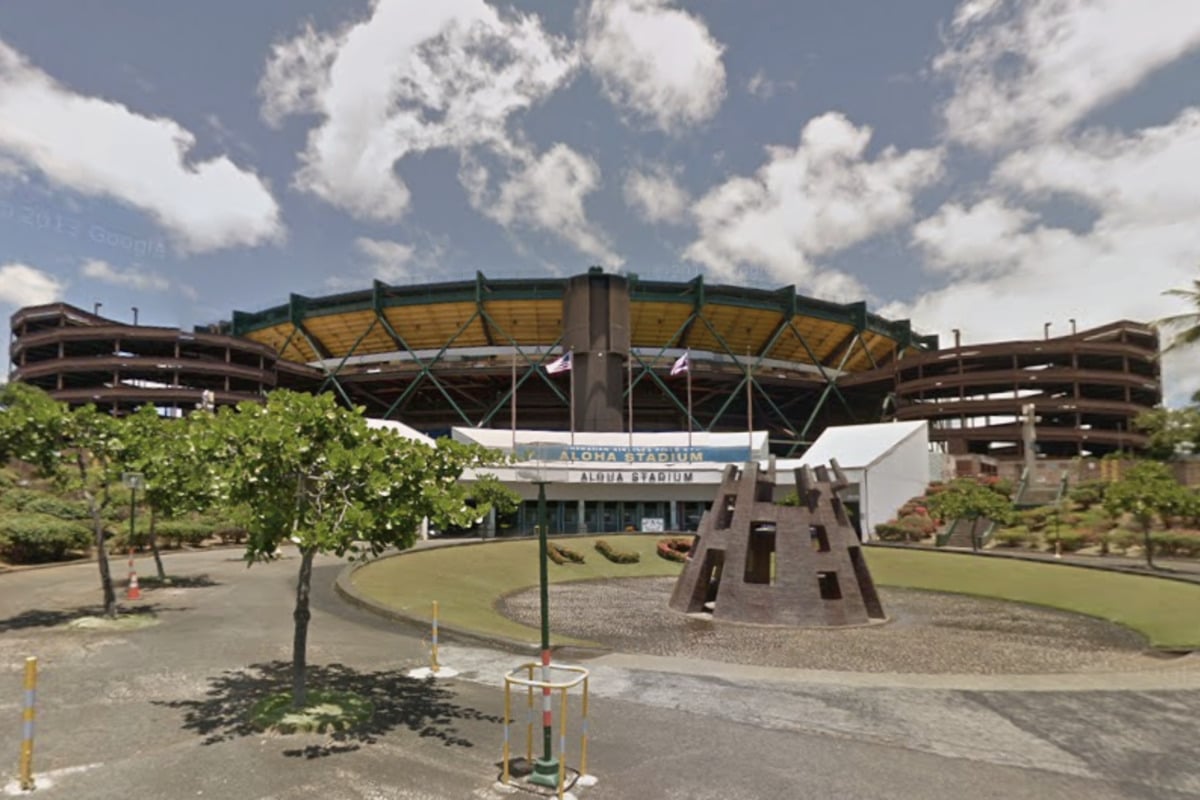
UPDATE: The Hawaii Stadium Authority is poised for significant changes as plans for the demolition of Aloha Stadium move forward. In a critical meeting held yesterday, officials announced the creation of two key leadership positions to oversee the ambitious New Aloha Stadium Entertainment District (NASED) project, marking a decisive shift from planning to action.
As the board prepares to transition from its interim management setup, it has confirmed the establishment of an executive director and a development manager. This restructuring is essential to ensure effective oversight of the long-term redevelopment, addressing both public and private sector responsibilities.
Interim stadium manager Chris Sadayasu emphasized the importance of these roles, stating, “There would be no need for a state stadium manager but there would be for an executive director to shepherd development of NASED.” Andrew Pereira, vice chair of the board, reinforced the authority’s commitment to protecting taxpayer interests as the project navigates governmental approvals.
The new executive director will be the primary contact for the entire NASED build-out, while the development manager will focus on real estate entitlements, contract oversight, and daily coordination with the private development team. This separation of duties aims to enhance transparency and efficiency throughout the project’s lifespan.
The Aloha Hālawa District Partners (AHDP) have been selected to design and lead the demolition and construction of the new multi-use stadium. Contracts signed this year authorize the demolition of the aging facility, with an estimated timeline of approximately one year for demolition and two and a half years for construction. The stadium is expected to open in 2029, backed by a state investment of around $350 million.
The scale of the NASED project is monumental, with plans spanning over 20 years to develop a mix of hotels, retail, entertainment, and housing in the area surrounding the stadium. This ambitious vision necessitates a dedicated leadership team to navigate the complexities of long-term value and taxpayer protections.
Moving forward, the board will finalize job descriptions and hiring processes while ensuring that necessary permits and ground-lease documents are in place for AHDP to commence work. Sadayasu, who has been juggling multiple responsibilities since stepping into the interim role earlier this year, is expected to facilitate a smooth transition to the incoming permanent leadership.
The urgency of this transition underscores the importance of revitalizing Aloha Stadium and the surrounding district, both for local residents and the broader community. As plans progress, observers will be watching closely for updates on hiring and project milestones. Stay tuned for further developments as NASED aims to redefine the landscape of Honolulu’s entertainment and sports venues.