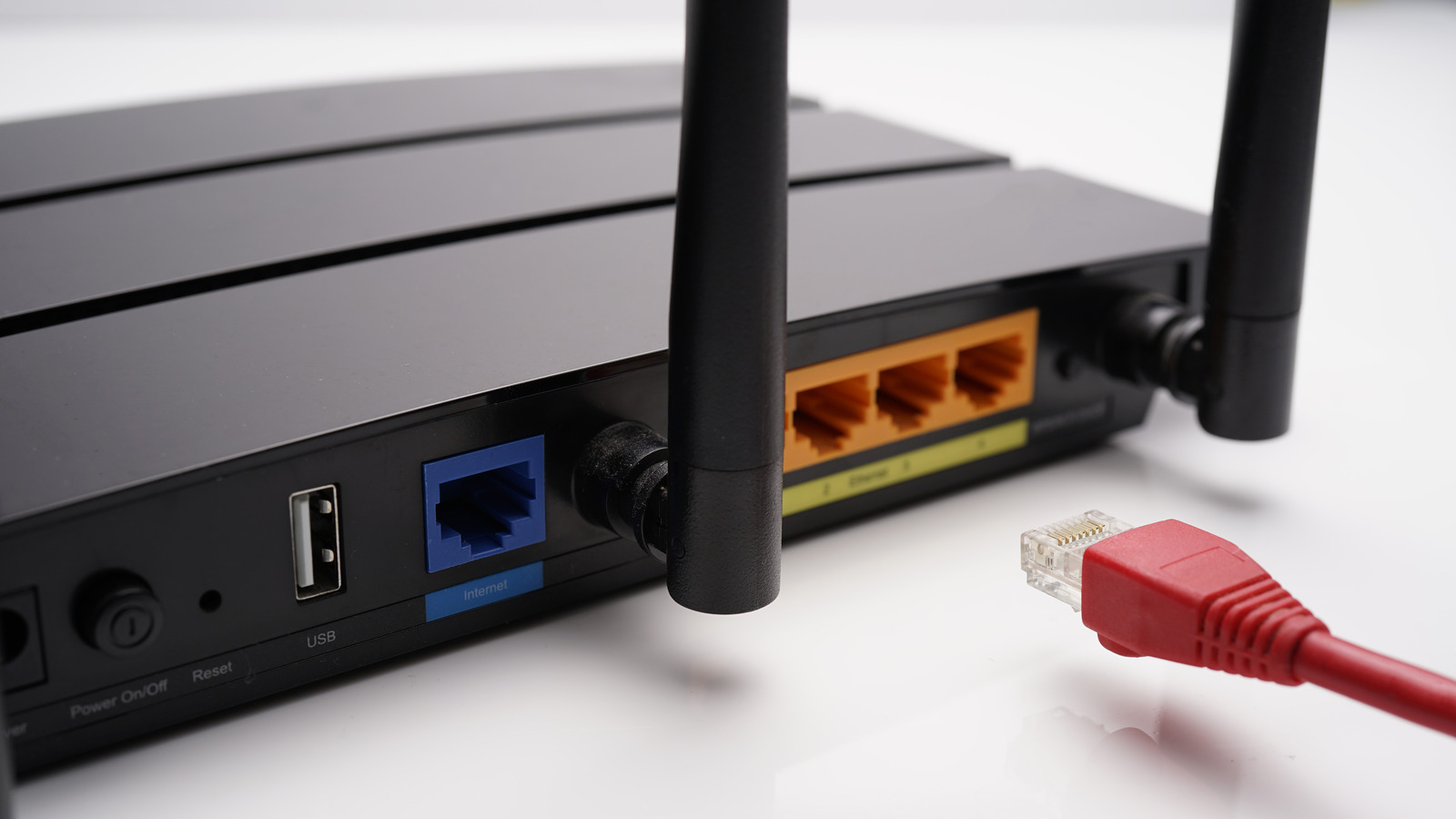
URGENT UPDATE: New reports reveal that the once-popular 2.4 GHz router is now considered outdated and inefficient for modern households. As of October 2023, this technology, which first hit the consumer market in 1999 with the 802.11b standard, faces challenges in meeting the high demands of today’s connected homes.
Despite being a staple in over 80% of U.S. households, the limitations of the 2.4 GHz band have become increasingly apparent. While it once delivered data speeds of up to 54 Mbps, practical speeds rarely exceed 100 Mbps under ideal conditions. In contrast, the newer 5 GHz routers can achieve speeds up to 1 Gbps, and the latest 6 GHz Wi-Fi 7 technology can soar to 2 Gbps.
With the rise of high-demand devices such as smart TVs, gaming consoles, and multiple smartphones, the 2.4 GHz’s limited bandwidth is no longer sufficient. The congestion caused by competing signals from everyday items—like baby monitors and microwaves—exacerbates this issue, particularly in densely populated areas.
Experts recommend immediate upgrades for those still relying on this aging technology. The TP-Link Archer GE230 Dual Band router is a suggested alternative, allowing users to maintain compatibility with older devices while unlocking faster speeds for modern equipment.
Why this matters RIGHT NOW: As remote work and streaming continue to surge, households are struggling with buffering and slow connections. Relying on outdated routers can hinder productivity and disrupt entertainment experiences.
Many users may wonder whether their 2.4 GHz routers can be repurposed. While they are not entirely obsolete, their capabilities are limited. These routers can still serve as reliable connections for Internet of Things (IoT) devices, which benefit from the 2.4 GHz band’s superior range and wall penetration abilities. If you have smart plugs or thermostats, this could be a viable solution.
However, experts caution against using these ancient routers as the primary hub for modern activities. Streaming services, cloud backups, and online gaming require robust connections that outdated hardware simply cannot provide.
For optimal performance, consider integrating an older 2.4 GHz router into a broader network setup. Employ a modern dual- or tri-band router for heavy data tasks while utilizing the 2.4 GHz band for less demanding IoT applications.
Next steps: Homeowners must evaluate their current network setups and consider investing in modern routers to keep pace with the evolving demands of digital life. With technology rapidly advancing, now is the time to upgrade and ensure that your home network can handle the future of connectivity.
Stay tuned for further updates as technology evolves and more consumers transition away from outdated equipment.