As the season heats up, Major League Baseball (MLB) executives are grappling with the implications of a potential labor disruption that could emerge as the current collective bargaining agreement nears its expiration. The five-year deal is set to conclude in December 2026, raising concerns among industry insiders about the possibility of a work stoppage that might affect regular-season games in 2027. Despite these looming uncertainties, the current free-agent market remains relatively unaffected.
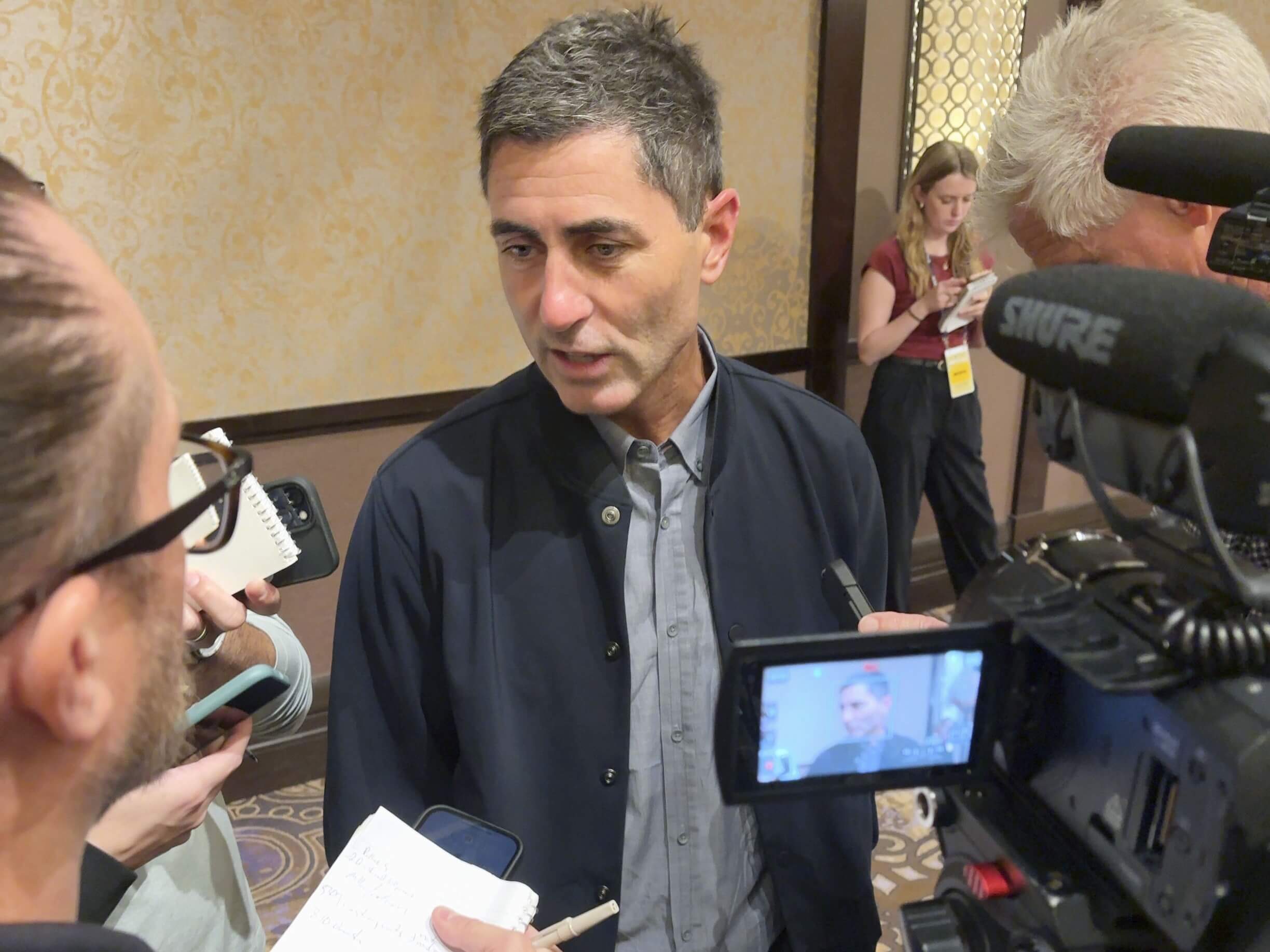
During meetings in Las Vegas, general managers and club presidents reported that they do not intend to alter their free-agent offers or adjust their strategies in light of a potential future shutdown. Arizona Diamondbacks general manager Mike Hazen stated, “That’s not come across in any conversation I’ve had one time.” Similarly, Mark Shapiro, president of the Toronto Blue Jays, emphasized a commitment to the existing system, saying, “We’ll continue to plan with the system in place, because that’s the only certainty we’ve got.”
While many executives are proceeding with a short-term focus, some acknowledged a sense of caution as they contemplate the ramifications of the upcoming labor negotiations. Jed Hoyer, president of baseball operations for the Chicago Cubs, remarked, “I don’t think anyone here does. I think it could have an impact. It could have no impact.”
Pittsburgh Pirates general manager Ben Cherington noted that the potential changes to the collective bargaining agreement are on the minds of many in the league. “It feels like it’s in the back of everybody’s minds,” he said, recognizing that such considerations often arise toward the end of any CBA.
Even those who express confidence in their strategies are aware of the potential for shifts in the market. Brian Cashman, general manager of the New York Yankees, maintained a focus on 2026, describing his approach as “business as usual.” However, he also acknowledged the inherent uncertainty surrounding future negotiations.
“You just want to make sure you position yourself to be as nimble as possible on the other side of it,” said Chaim Bloom, who recently took over baseball operations for the St. Louis Cardinals. “It’s probably fruitless to try to predict that.”
Representatives for various free agents, including Pete Alonso and Cody Bellinger, have reported that the potential for a work stoppage has not had a significant impact on current negotiations. Prominent agent Scott Boras stated that historical trends suggest teams remain motivated to secure top talent, regardless of anticipated labor disruptions. “The bottom line is that teams understand they don’t have to pay players when there’s a stoppage,” he noted.
Despite Boras’ optimism, other agents have observed a mixture of caution and uncertainty among teams. One anonymous agent revealed that while many franchises do not openly address the implications of a potential lockout in contract discussions, at least one team has expressed concerns regarding its budget moving forward.
While some executives appear eager to avoid discussions related to labor negotiations, the reality is that the stakes are high. David Stearns, president of baseball operations for the New York Mets, who has experience in MLB’s labor relations, was reticent to delve into the subject, stating, “Not get into anything close to that.”
Amid the ongoing discussions, Tony Clark, head of the players’ union, offered a measured perspective on free agency, expressing a hope that all teams would remain engaged in the offseason. “We simply hope that it’s all 30 teams that are interested in trying to be the last team standing,” he said.
As the offseason progresses, teams will likely continue to assess their strategies while keeping an eye on the evolving landscape of labor relations. Many executives are awaiting further clarity before making significant commitments, with some indicating that detailed conversations with agents over the coming month will provide more insight into the market dynamics.
In the face of potential upheaval, MLB executives are focusing on immediate objectives while remaining cognizant of the broader challenges on the horizon. The next several months will reveal how these considerations will ultimately shape the free-agent landscape and the sport’s future.