The International Judo Federation (IJF) has announced that Russian athletes will be allowed to compete under their national flag at IJF events, starting with the Abu Dhabi Grand Slam from November 28-30, 2025. This decision comes despite the ongoing war in Ukraine and follows a vote by the IJF executive committee.
The IJF emphasized that “athletes have no responsibility for the decisions of governments or other national institutions,” asserting its commitment to protecting the interests of the sport and its athletes. This shift marks a significant change in policy, as many athletes had faced bans from competitions following Russia’s invasion of Ukraine in February 2022.
In recent years, the Russian Olympic Committee has been suspended by the International Olympic Committee (IOC) for violating the Olympic charter, including actions related to regional sports bodies in occupied eastern Ukraine. Nevertheless, Russian athletes will be permitted to compete at the upcoming Milan-Cortina Winter Games, although they will do so as individual neutral competitors, similar to the arrangements made for the 2024 Paris Games.
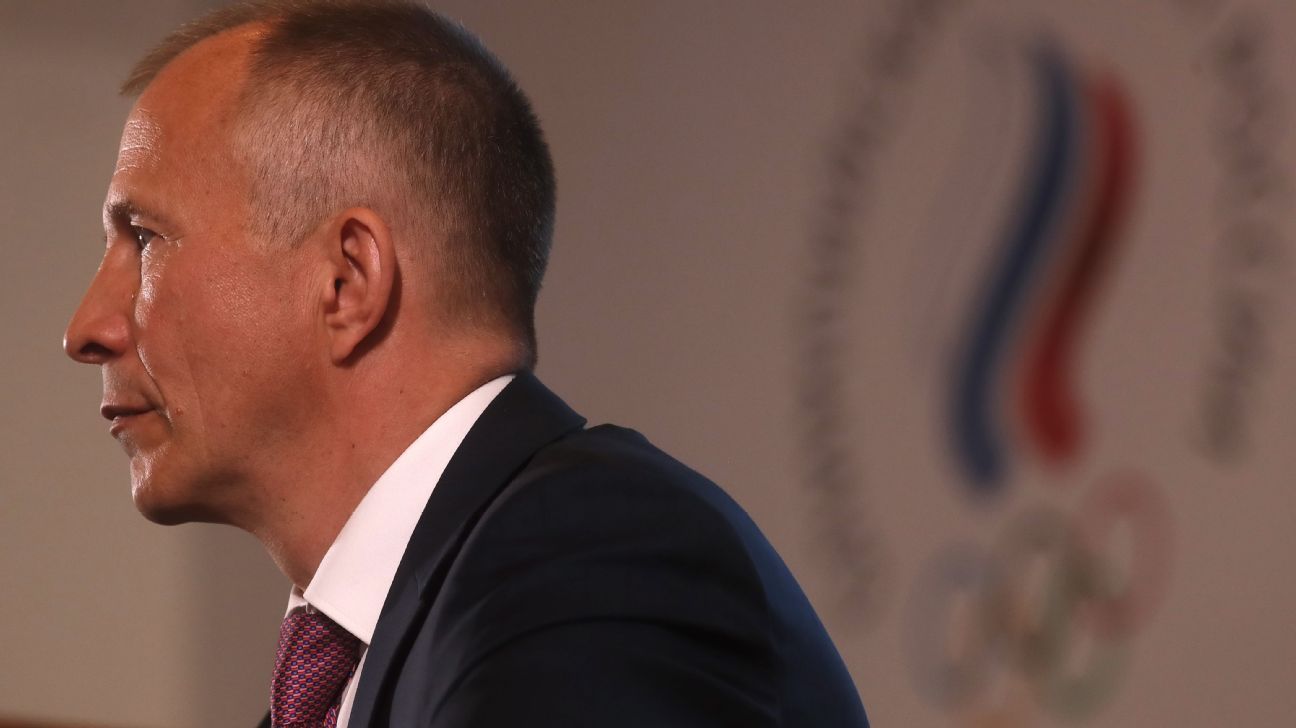
President of the Russian Judo Federation, Sergey Soloveychik, hailed the IJF’s decision as “historic.” In a statement, he expressed gratitude to the IJF for what he described as a “long-awaited, fair and courageous decision.”
Historical Context and Implications
The IJF had previously reinstated full national representation for Belarusian athletes, a move that has drawn criticism due to Belarus’ role in supporting the Russian military operations. The federation stated that it now considers it “appropriate to allow the participation of Russian athletes under equal conditions,” further noting that the sport should not be a platform for geopolitical agendas.
Historically, Russia has been a dominant force in the world of judo, and the IJF believes that their full participation will enhance competition at all levels. The organization reiterated its principles of fairness, inclusivity, and respect as foundational to this decision.
The political ramifications of this reinstatement are significant. Following the onset of the conflict in Ukraine, Vladimir Putin, an avid judoka, lost his honorary president status with the IJF, a position he held until the suspension was announced due to the ongoing war. Soloveychik’s resignation from his role as president of the European Judo Union at the same time underscored the turbulent intersection of sports and politics in this context.
In conclusion, the IJF’s decision to allow Russian athletes to compete under their national flag represents a notable shift in the landscape of international judo competitions, with potential implications for how sports organizations navigate political issues in the future. As the sport continues to evolve, the focus will remain on the principles of fairness and competition, even in a divided geopolitical climate.