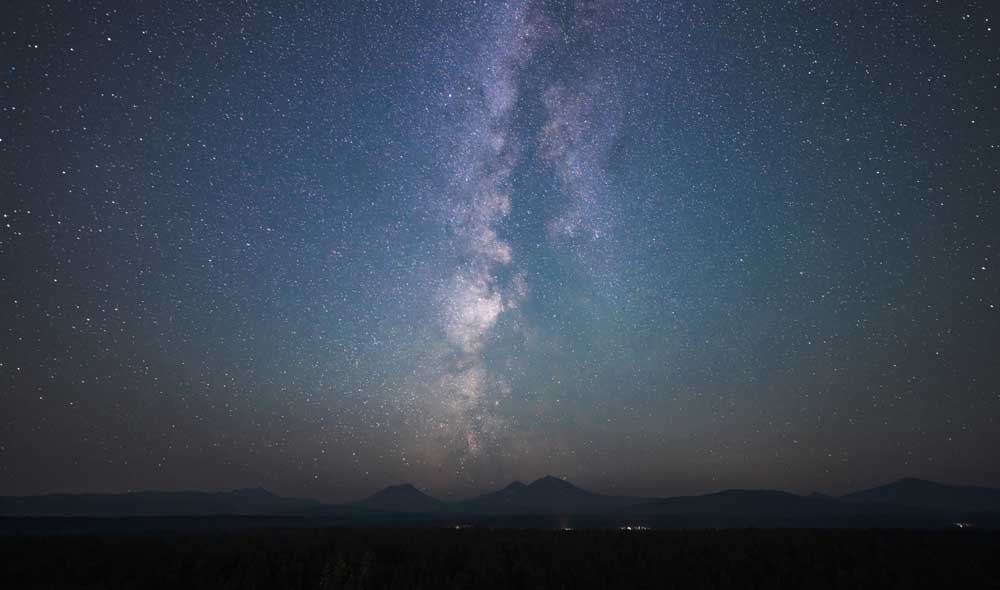
Residents of Deschutes County, Oregon, can look forward to clearer night skies in 2025, as new regulations aimed at reducing light pollution will take effect on December 23, 2025. The revised outdoor lighting ordinance, which applies to all new outdoor light installations in unincorporated areas, was unanimously approved by the county’s Board of Commissioners in September following a public hearing.
The initiative seeks to balance the enjoyment of stargazing with public safety by establishing guidelines that curb artificial light emissions. Property owners with existing outdoor lighting will have until December 2028 to comply with the new requirements.
New Regulations and Their Impact
The updated ordinance draws from the recommendations of DarkSky International, a non-profit organization dedicated to reducing light pollution. Key provisions include specifications that lighting fixtures must be fully shielded and directed downward to minimize light trespass—an issue where light spills over from one property to another. This approach not only aims to enhance the visibility of the night sky but also addresses concerns for local wildlife disrupted by excess artificial light.
Tanya Saltzman, a senior planner with Deschutes County, emphasized the community’s appreciation for its night skies. “Many people who testified at the hearings mentioned that the night skies are one of the reasons they love living in Deschutes County,” Saltzman noted. The regulations are designed to preserve this valuable asset while promoting responsible lighting practices.
The ordinance clarifies that holiday lighting is permitted from the day after Thanksgiving until January 15 each year. Additionally, residents can utilize an extra 14 days cumulatively for other holidays throughout the year. Lighting that exceeds these timeframes may result in code violations, and enforcement will be complaint-based.
Community Response and Future Considerations
Saltzman indicated that the county’s goal is to foster compliance through community engagement rather than strict enforcement. “The hope is that people will see these rules and try to follow them as best they can to be a good neighbor,” she explained.
If complaints arise about holiday lighting, they will be assessed on a case-by-case basis. For instance, if a resident decorates for St. Patrick’s Day, they might justify their lighting under the additional 14-day provision. Saltzman recognizes that adherence to these guidelines may vary within the community, but the overarching aim is to maintain a cooperative spirit.
Earlier this year, the city of Sisters received recognition as Oregon’s second International Dark Sky Community from DarkSky International. This accolade highlights efforts to mitigate light pollution and enhance the visibility of the stars. The city joins other recognized areas in Oregon, including Antelope, Sunriver, and several state parks.
As these regulations roll out, the hope is that Deschutes County will not only preserve its breathtaking night skies but also set a precedent for other communities aiming to address light pollution. The balance between safety and environmental stewardship could serve as a model for future initiatives across the nation.