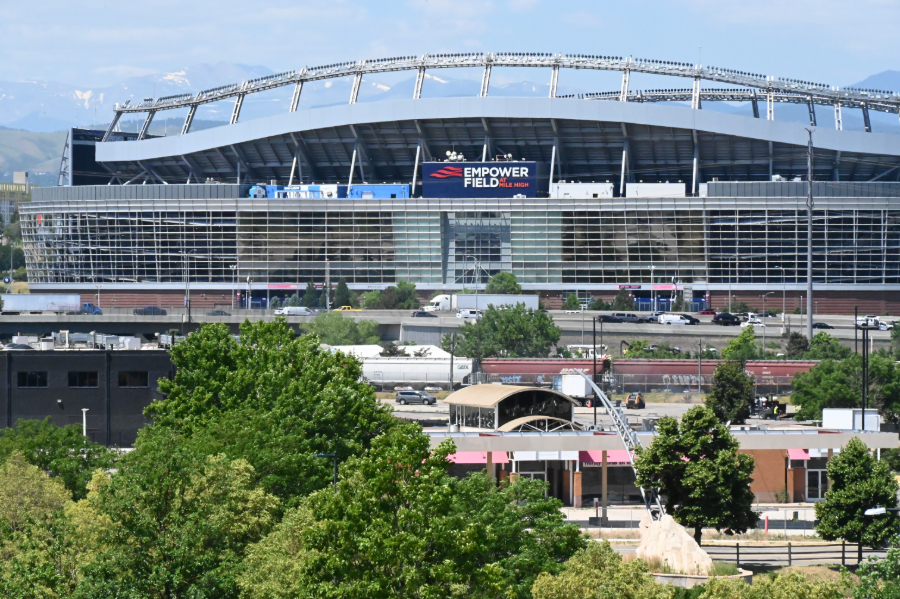
Denver has set its sights on potentially hosting the Super Bowl in the future, bolstered by recent successes in basketball, football, and hockey. While the city has yet to welcome the NFL’s marquee event, plans are underway to address the critical requirements that have historically barred Denver from consideration. The city’s current stadium, Empower Field, lacks a roof and faces challenges due to its winter weather, particularly during the Super Bowl, traditionally held in February.
In a significant move, the ownership of the Denver Broncos has announced intentions to construct a new stadium featuring a retractable roof in Burnham Yard, a former train yard adjacent to La Alma/Lincoln Park. This development could eliminate one of the key barriers preventing Denver from being a viable Super Bowl host. To fully meet the NFL’s hosting criteria, however, a comprehensive strategy must be developed.
Meeting NFL Requirements
The NFL maintains a detailed set of requirements for cities wishing to host the Super Bowl, outlined in a 150-page document. These stipulations extend beyond simply having a roofed stadium; they encompass a range of local amenities. Denver would need to offer ample parking, hotel accommodations, and additional facilities to attract the event.
The NFL mandates that an eligible stadium must have a minimum of 70,000 seats, each at least 19 inches wide, along with suites providing unobstructed views. Empower Field currently meets these seating requirements, boasting approximately 76,000 seats and 144 suites. According to reports from The Denver Post, the proposed new stadium is expected to include even more seating and suite options.
Infrastructure and Amenities
Parking capacity represents another critical factor. The NFL specifies that a Super Bowl venue must provide at least 35,000 paved and well-lit parking spaces within close proximity. This includes the need for 3,000 spaces available within half a mile of the stadium at all times during the Super Bowl period, which begins 30 days before the event. Currently, Empower Field offers around 39,000 parking spots, combining on-site and nearby facilities.
In terms of hospitality, the NFL requires sufficient hotel accommodations to cater to the influx of fans. Specifically, Denver would need hotel rooms for 35 percent of Super Bowl attendees, translating to over 27,000 rooms within a 60-minute drive of the stadium. Additionally, the city must provide around 19,000 high-quality, full-service hotel rooms for NFL officials and related groups. Presently, Visit Denver reports approximately 13,000 hotel rooms within walking distance of the Colorado Convention Center, which is about 1.5 miles from the planned stadium site.
Further plans for development are underway in the surrounding areas, including the Ball Arena, home to the Colorado Avalanche and Denver Nuggets. These enhancements aim to bolster the city’s readiness for such a large-scale event.
Government Involvement and Economic Impact
If selected to host the Super Bowl, Denver’s city council or mayor would need to establish a temporary “clean zone” around the stadium, which would restrict certain permits for events in the vicinity. This measure is aimed at ensuring health and safety during the event. Local law enforcement would also play a critical role, providing support for anti-counterfeit measures and ensuring a secure environment for visitors.
The economic benefits of hosting a Super Bowl are substantial. The United States Chamber of Commerce estimates that the event can inject over $500 million into the local economy, while attracting more than 125,000 out-of-state visitors. Unlike the Olympics, hosting the Super Bowl often requires minimal infrastructure changes, making it an appealing prospect for city officials.
The upcoming Super Bowl is scheduled for February 8, 2026, in Santa Clara, California. As Denver moves forward with its stadium plans, the city’s ability to meet NFL requirements will be crucial in determining whether it can secure a future Super Bowl bid. The excitement surrounding the Broncos and the potential for a new stadium could pave the way for Denver to join the ranks of cities that have successfully hosted this iconic sporting event.