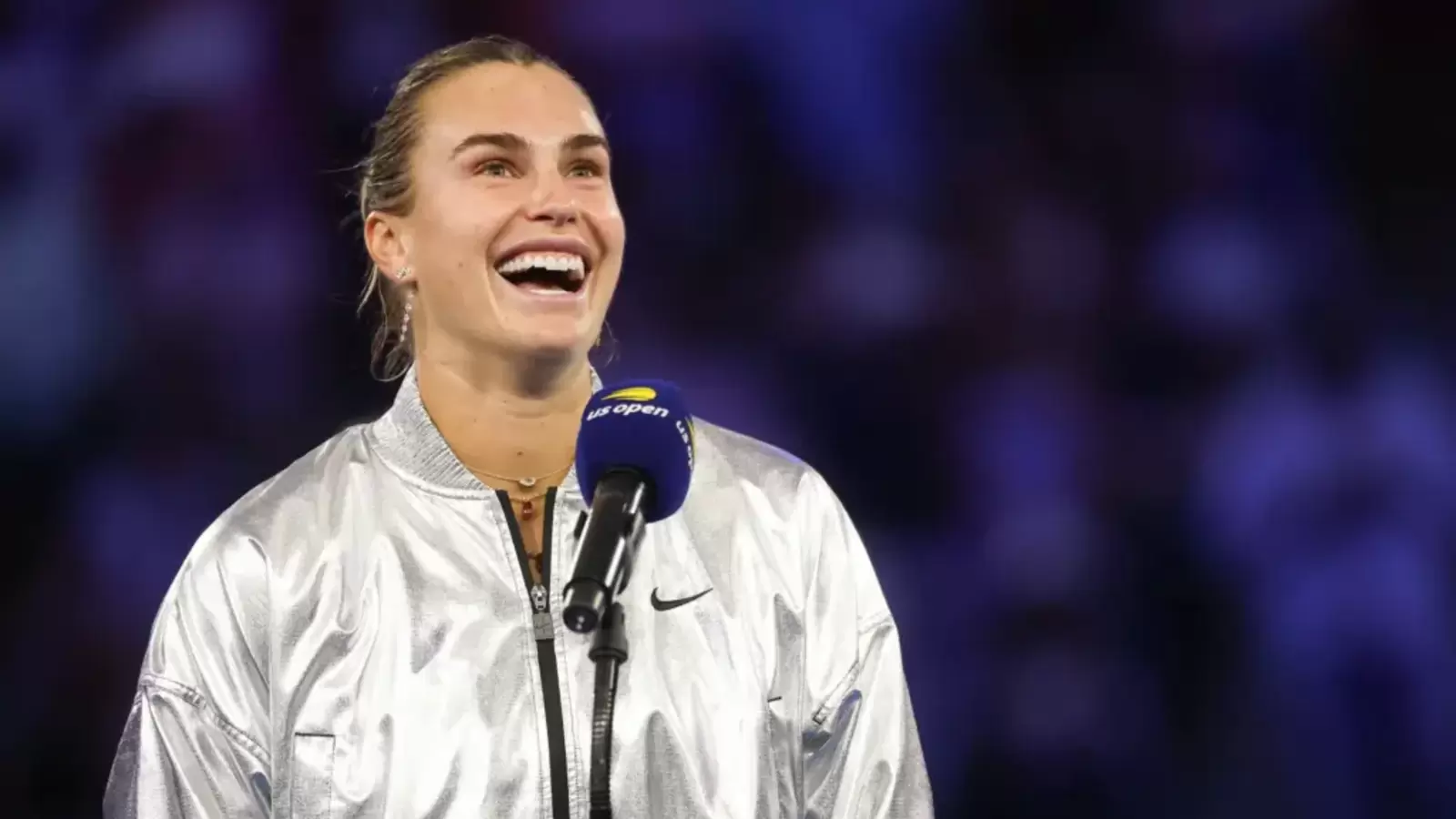
An exhibition match between WTA World No. 1 Aryna Sabalenka and semi-retired player Nick Kyrgios has sparked intense debate over gender and sports. Held in Dubai, this so-called “Battle of the Sexes” concluded with a decisive victory for Kyrgios, who won 6-3, 6-3. The result has ignited discussions that extend far beyond the tennis court, touching on issues of biological differences and gender identity in athletics.
The match was not merely a contest of skill; it served as a focal point for cultural discussions surrounding gender disparity in sports. Sabalenka, at the peak of her career, faced a player who is currently unranked and more noted for his online presence than for his ATP performance. This context amplifies the significance of the outcome, raising questions about the fairness of competitive balance between male and female athletes.
Political Reactions and Cultural Implications
Following the match, political commentary emerged rapidly, with figures such as conservative commentator Dinesh D’Souza framing the event as a broader commentary on gender ideology. D’Souza characterized Sabalenka’s loss not as a mere sporting defeat but as an “exposure” of what he termed “trans lunatics.” He argued that the match highlighted inherent biological differences that challenge the narrative of gender equality in athletics.
His remarks sparked widespread discussion, with some agreeing and others criticizing the implications of his statements. D’Souza leveraged the event to question the validity of gender neutrality in sports, suggesting that it undermines the achievements of female athletes. He presented the match as a clear example of how biological differences can offer advantages that training alone cannot overcome.
Sabalenka’s Perspective on Gender in Sports
In the lead-up to the exhibition, Sabalenka shared her candid views on the subject during an interview with Piers Morgan. She acknowledged that while she respects transgender individuals, she believes that biological differences create an uneven playing field. “I feel like they still got a huge advantage over the women,” Sabalenka stated, emphasizing the frustrations of female athletes who dedicate their lives to competing at the highest level.
Her comments resonated within the sports community and beyond, as they echoed sentiments expressed by other notable figures, including Martina Navratilova, who has been an outspoken advocate for maintaining the integrity of women’s sports. Navratilova’s long-standing concerns about the implications of including transgender women in female categories were amplified by Sabalenka’s performance against Kyrgios.
The match has not only reignited the discussion around gender in sports but has also drawn parallels to the iconic 1973 “Battle of the Sexes” between Billy Jean King and Bobby Riggs. However, the dynamics of this recent exhibition were notably different, with King fighting for respect and equal pay, while the current match highlighted the disparities in physical capabilities.
As the discourse continues, the implications of Sabalenka’s loss remain significant. Critics argue that it reflects broader societal attitudes towards gender and fairness in sports. The interplay between athletic performance and cultural discussions demonstrates how sports can serve as a microcosm for larger societal debates.
The intensity of the reactions to this match underscores how sports can transcend mere competition, becoming a platform for discussing critical issues. As athletes like Sabalenka and Kyrgios continue to navigate these complex conversations, the world watches closely, eager to see how the future of gender in sports will unfold.