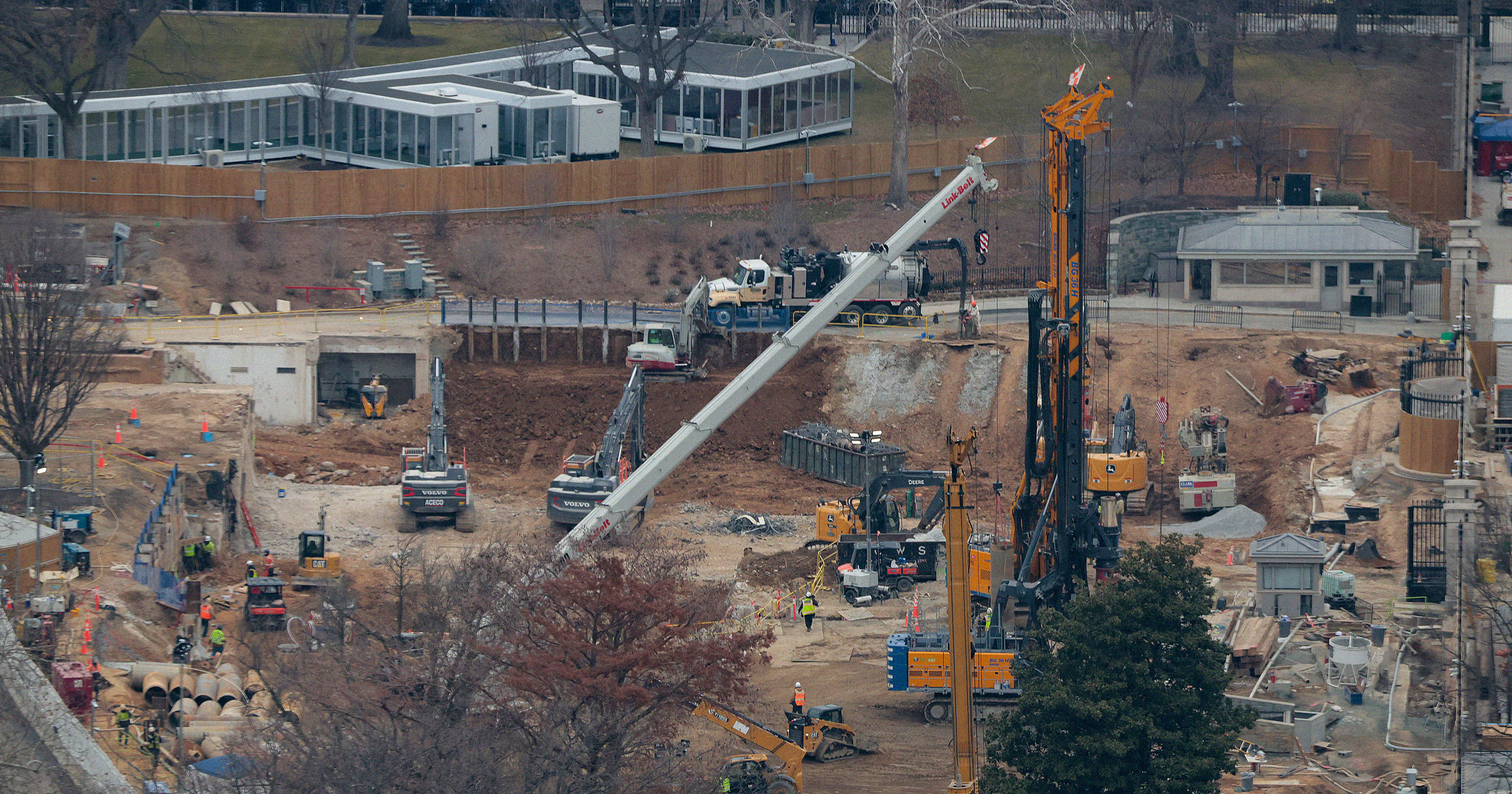
The Trump administration is moving forward with plans to construct a secretive bunker under the East Wing of the White House. This project, part of a broader initiative that includes a new ballroom, has ignited significant controversy and scrutiny. It comes with a price tag of approximately $400 million, attracting attention from Congress, preservation groups, and the media.
A US District judge is set to review a request from a preservation organization aimed at halting the construction of the ballroom, which has already broken ground. This judicial inquiry highlights the tensions surrounding the project, which some critics argue overlooks historical preservation in favor of modernization.
Secrecy Surrounds Bunker Plans
While the ballroom project has captured headlines, a more discreet element is unfolding beneath the surface. The existing Presidential Emergency Operations Center, originally established in the aftermath of the attack on Pearl Harbor in 1941, is undergoing a significant transformation. It has been reported that the planned underground shelter aims to enhance security for high-ranking officials in light of evolving threats.
A source familiar with the developments indicated that the new facility will incorporate advanced technology to address current and future security needs. White House Director of Management and Administration, Joshua Fisher, emphasized the necessity of these upgrades, stating, “There are some things regarding this project that are, frankly, of top-secret nature that we are currently working on.”
Despite the project’s classified nature, Fisher noted that it aims to create resilient infrastructure that aligns with the White House’s mission needs. He acknowledged that the ongoing construction had not fully considered the implications of the subterranean upgrades, which were not part of the National Capital Planning Commission’s review process.
Historical Significance and Future Implications
The Presidential Emergency Operations Center has played a crucial role in protecting officials during significant national crises. For instance, former Vice President Dick Cheney was evacuated to the facility shortly before the September 11, 2001 attacks. It has also been used by former President Trump during the 2020 George Floyd protests as a precautionary measure.
The bunker itself is described as a highly complex structure, originally designed in the 1940s. Sources indicate that the existing infrastructure has been gutted in preparation for the new installation.
The financial aspects of this project remain uncertain, particularly regarding who will bear the costs. While President Trump has suggested that private donors will fund the expenses, the actual financial implications are still unclear.
“Emerging technologies and infrastructure are crucial in addressing today’s threats,” noted risk management executive and former US Secret Service agent Jonathan Wackrow. He commented on the difficulty in estimating the costs associated with modernizing such critical facilities.
As the project progresses, it underscores the administration’s focus on security enhancements amidst a backdrop of national unrest and controversy. The evolving situation at the White House reflects ongoing debates about balancing modernization with historical preservation and transparency.