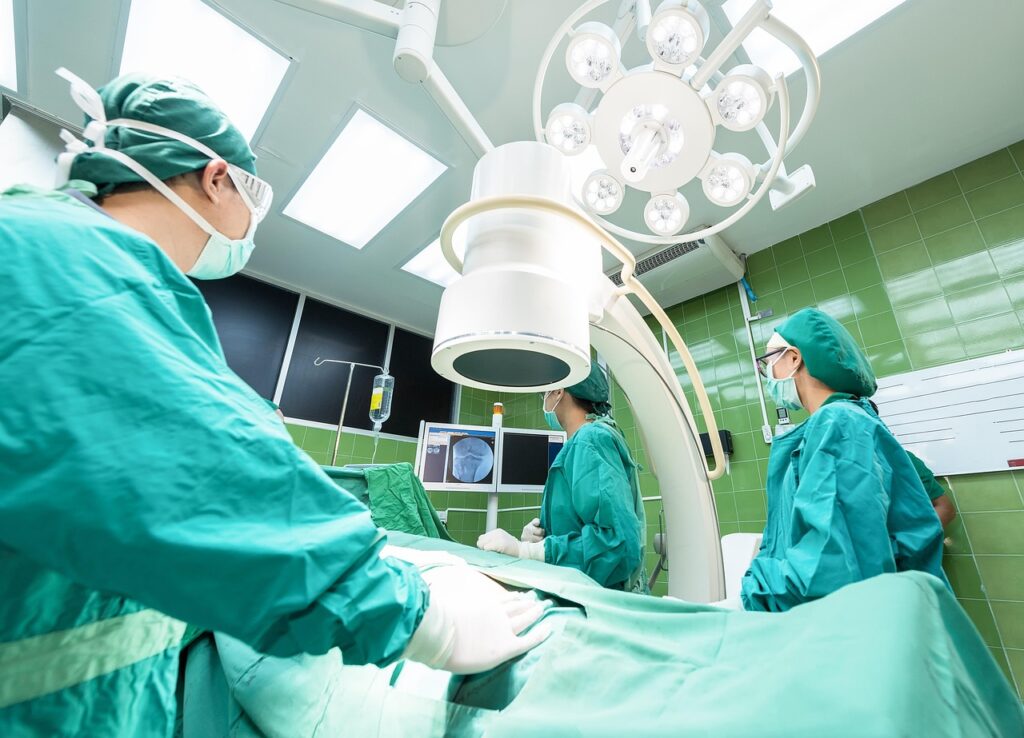
Surgeons in Europe are collaborating on an innovative project to restore the sense of touch during robotic and minimally invasive surgery. This initiative, known as PALPABLE, seeks to develop a soft robotic fingertip that can provide tactile feedback, crucial for detecting tissue abnormalities during operations. The project, funded by the EU, is set to run until the end of 2026, with the first prototype expected to be tested by surgeons around March 2026.
The transition from traditional surgical methods to robotic techniques has significantly reduced the size of incisions. While these advancements have improved recovery times and patient outcomes, they come with a notable drawback: the loss of direct tactile sensation. This absence complicates the ability to discern subtle differences in tissue hardness, which can be critical when identifying tumours or other abnormalities.
Bridging the Gap in Surgical Touch
Professor Alberto Arezzo from the University of Turin, an expert in minimally invasive surgery, highlights the impact of this transition. He notes that the shift to keyhole surgery, initiated in the 1990s, has diminished tactile feedback. Surgeons now rely on long instruments, which limit their ability to feel tissue during operations. “Tumours often feel different from healthy tissue – stiffer, less pliable or irregular,” Arezzo emphasizes. This distinction is vital for surgical success, as it influences decisions regarding the removal of tissue.
Dr. Gadi Marom, a surgeon at Hadassah Medical Centre in Jerusalem, underscores the challenges this presents in cancer surgery. Removing too much tissue can impair function, while insufficient removal may leave residual cancer, necessitating further interventions. “We want it done in one shot,” he asserts. Incorporating advanced sensing technology could enable surgeons to create visual maps of tissue stiffness, helping them make informed decisions during operations.
Innovative Technology for Enhanced Surgical Precision
The PALPABLE project employs cutting-edge technology, combining optical sensing, soft robotics, and artificial intelligence. The prototype being developed features fiber-optic cables embedded in a flexible tip. When the device presses against tissue, it deforms, altering the light transmission through the fibers. Dr. Georgios Violakis from Hellenic Mediterranean University explains that these changes in light intensity and wavelength can reveal crucial information about tissue stiffness.
The research team includes contributions from several institutions: Queen Mary University of London is refining the membranes, while the Fraunhofer Institute in Germany develops the functional films. Additional support comes from Bendabl and Tech Hive Labs in Greece, as well as the University of Essex in the UK, focusing on software to visualize the tactile maps.
As the field of robotic surgery expands, the demand for tactile feedback intensifies. Professor Panagiotis Polygerinos, also from Hellenic Mediterranean University, notes the necessity for high accuracy and resolution in these devices. The technology, once prohibitively expensive, is now becoming more accessible, paving the way for its clinical application.
Dr. Marom expresses optimism about the future of surgical procedures, especially with robotic assistance. “I have the advantage of 3D vision,” he says, referring to the capabilities of robotic systems that allow for greater precision. However, he acknowledges the significant challenge posed by the lack of tactile feedback. The ongoing research aims to address this critical gap, ultimately enhancing surgical care.
The anticipated outcomes of this project are promising. By restoring a functional equivalent of touch, the PALPABLE initiative hopes to elevate the standard of care for patients undergoing surgery. As the team progresses towards finalizing their prototype, they remain focused on delivering tangible benefits to the medical field.
This research is part of the EU’s Horizon Programme, which funds innovative projects aimed at advancing science and technology. The perspectives shared by the interviewees do not necessarily reflect the views of the European Commission.