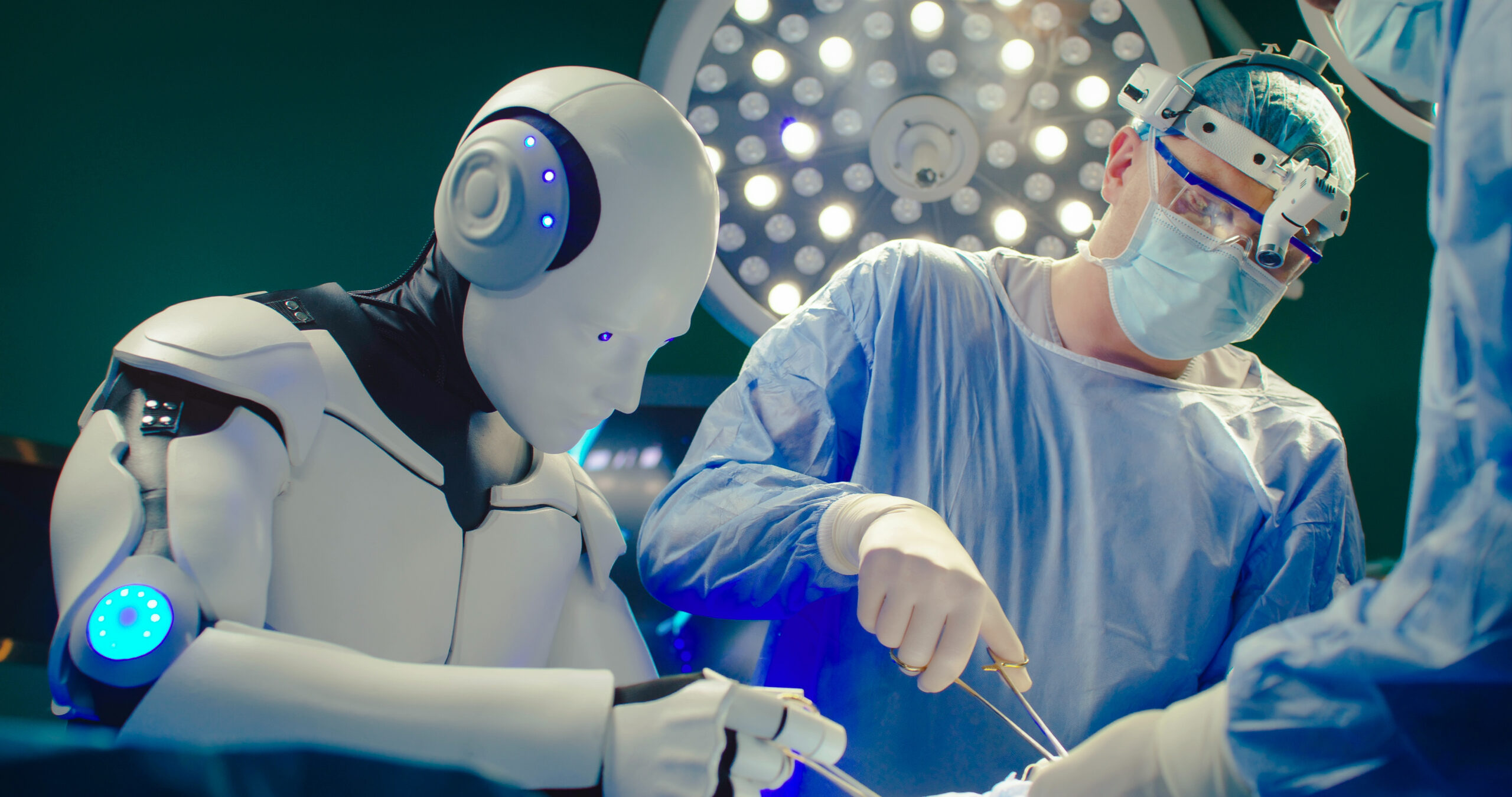
Researchers have made significant strides in the field of biotechnology by developing biocomputers that utilize human brain cells to perform complex computational tasks. This groundbreaking innovation involves harnessing biologically derived materials such as DNA, proteins, and lab-grown neurons, marking a notable advancement in the integration of biology and technology.
Biocomputers operate differently from traditional computers. Instead of relying solely on silicon-based components, they utilize living tissue to process information. The research, conducted by a team at a leading research institution, demonstrates the potential of combining biological and computational systems to create machines that can adapt and learn in ways that conventional computers cannot.
The Role of Living Cells in Computing
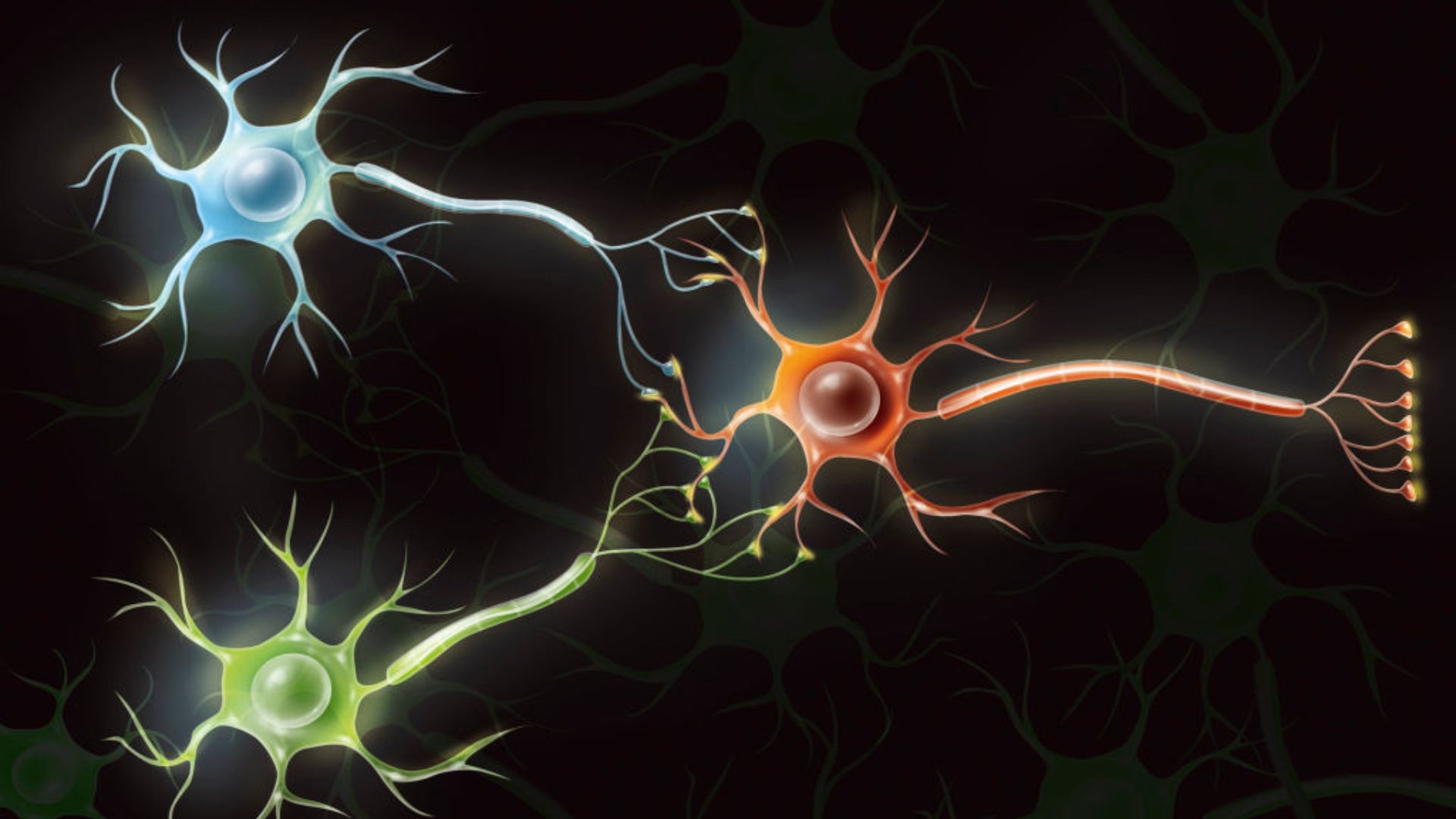
The core idea behind biocomputers is to leverage the unique properties of human brain cells. These cells possess remarkable capabilities for complex processing, learning, and memory retention. By cultivating lab-grown neurons and integrating them within a computational framework, scientists are exploring how biological systems can contribute to solving intricate problems.
March 2024 marks a pivotal moment for the field, as researchers unveil their findings on the potential applications of these biocomputers. Such applications could span various industries, including healthcare, where biocomputers may be used for advanced diagnostics or personalized medicine. The ability to process vast amounts of biological data in real-time opens new avenues for innovation.
The implications of this research extend beyond mere computational power. By employing living cells, biocomputers can be designed to function more like the human brain, adapting to new information and responding dynamically to changing conditions. This represents a significant shift in how computing could evolve in the future.
Ethical Considerations and Future Directions
As with any technological advancement, the development of biocomputers raises important ethical questions. The integration of living tissues into computational systems prompts discussions regarding the implications for bioethics and the potential consequences of creating machines that mimic human cognitive functions.
Experts emphasize the need for a robust framework to govern the use of biocomputers, focusing on responsible innovation and the ethical treatment of biological materials. The dialogue surrounding these issues will be crucial as the technology continues to develop.
In summary, the emergence of biocomputers that utilize human brain cells is not just a scientific achievement; it is a glimpse into the future of computing. As researchers continue to explore the capabilities of living systems in technology, the potential for groundbreaking advancements in various fields is immense. The journey toward fully functional biocomputers has just begun, and its impact on society may be profound.