Researchers at the Massachusetts Institute of Technology (MIT) have created an innovative material that can change its shape with a simple pull of a string. This breakthrough, described in a recent paper published in ACM Transactions on Graphics, merges the fields of material science and art, specifically drawing from the traditional Japanese paper art technique known as kirigami. The team envisions various applications for this versatile material, including transportable medical devices, foldable robots, and even modular habitats for future missions to Mars.
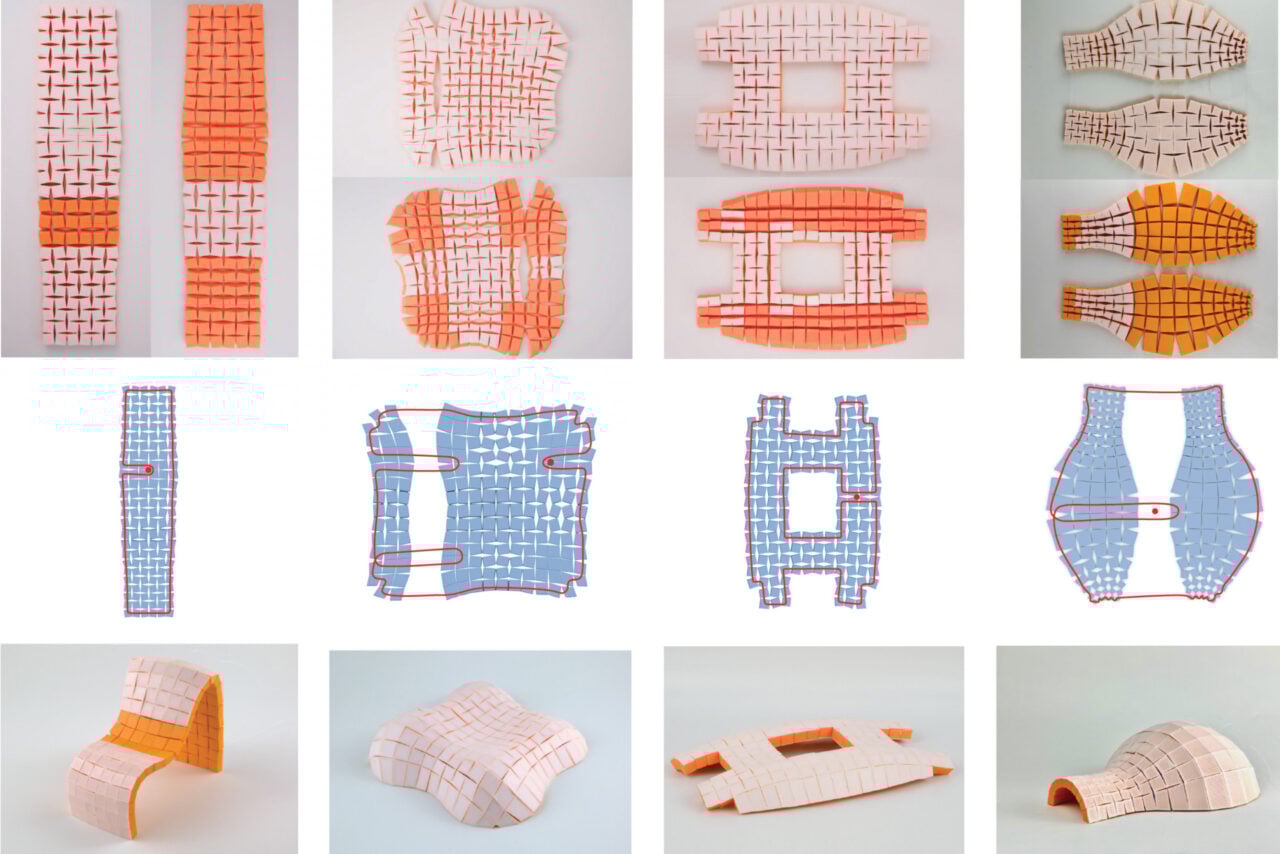
The new material operates through a specially designed algorithm that translates user-defined three-dimensional structures into a flat grid composed of quadrilateral tiles. This process is similar to how kirigami artists cut and manipulate paper to create intricate designs. The researchers explained that the material employs an auxetic mechanism, which allows it to become thicker when stretched and thinner when compressed. This unique characteristic is pivotal in enabling the grid to transform seamlessly into the intended three-dimensional shape with one smooth pull of a string.
Akib Zaman, the study’s lead author and a graduate student at MIT, emphasized the simplicity of the mechanism. “All they have to do is input their design, and our algorithm automatically takes care of the rest,” he stated in an interview with MIT News. This streamlined approach could make it accessible for various users, from engineers to artists.
Real-World Applications of the New Material
Following extensive simulations, the team successfully designed several practical objects, including medical tools like splints and posture correctors, as well as igloo-like structures. Notably, the algorithm is adaptable to different fabrication methods. The researchers used laser-cut plywood to create a fully deployable, human-sized chair, which proved to be functional and stable during use.
While the researchers acknowledge potential “scale-specific engineering challenges” for larger architectural applications, they remain optimistic about the future of their innovation. The method’s user-friendliness and accessibility open up numerous possibilities for both small-scale and larger structures.
The team is actively investigating ways to address challenges associated with larger designs, while also working on creating smaller applications of the technique. “I hope people will be able to use this method to create a wide variety of different, deployable structures,” Zaman added, highlighting the broader implications of their work.
This novel material represents a significant intersection of technology and art, showcasing how interdisciplinary approaches can lead to groundbreaking advancements. As researchers continue to explore its potential, the implications for fields such as medicine, robotics, and space exploration appear promising, paving the way for innovative solutions to complex design challenges.