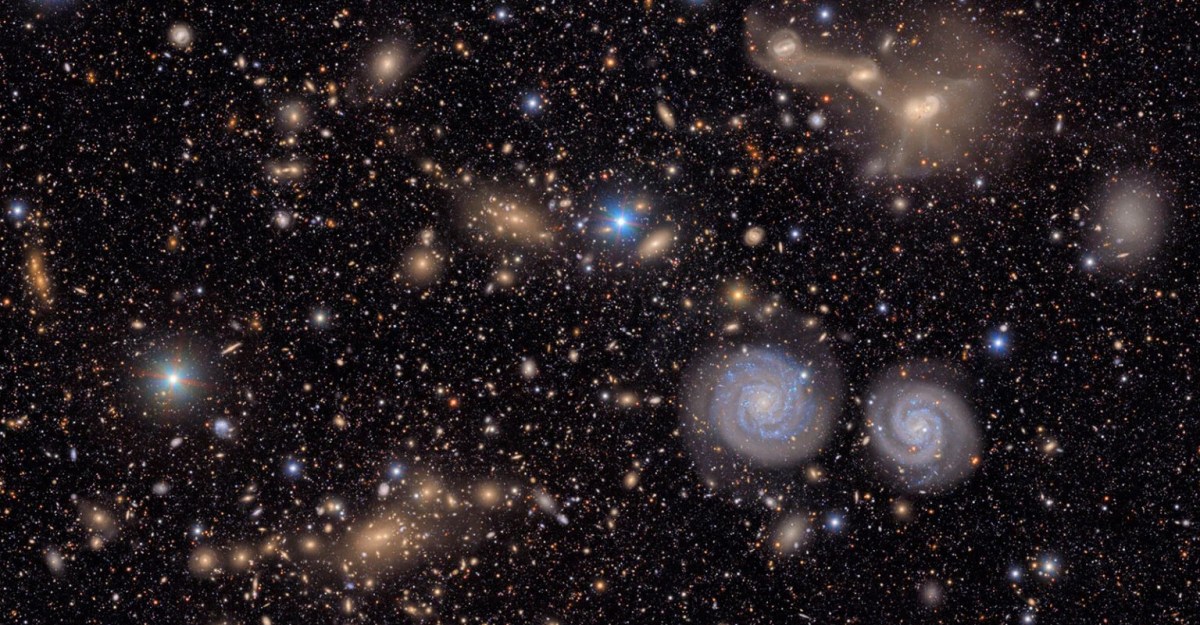
The Vera C. Rubin Observatory has officially launched its automated alert system, which generated an impressive 800,000 alerts on its inaugural night. This significant milestone occurred on February 24, 2024, marking the beginning of a new era in astronomical research and observation.
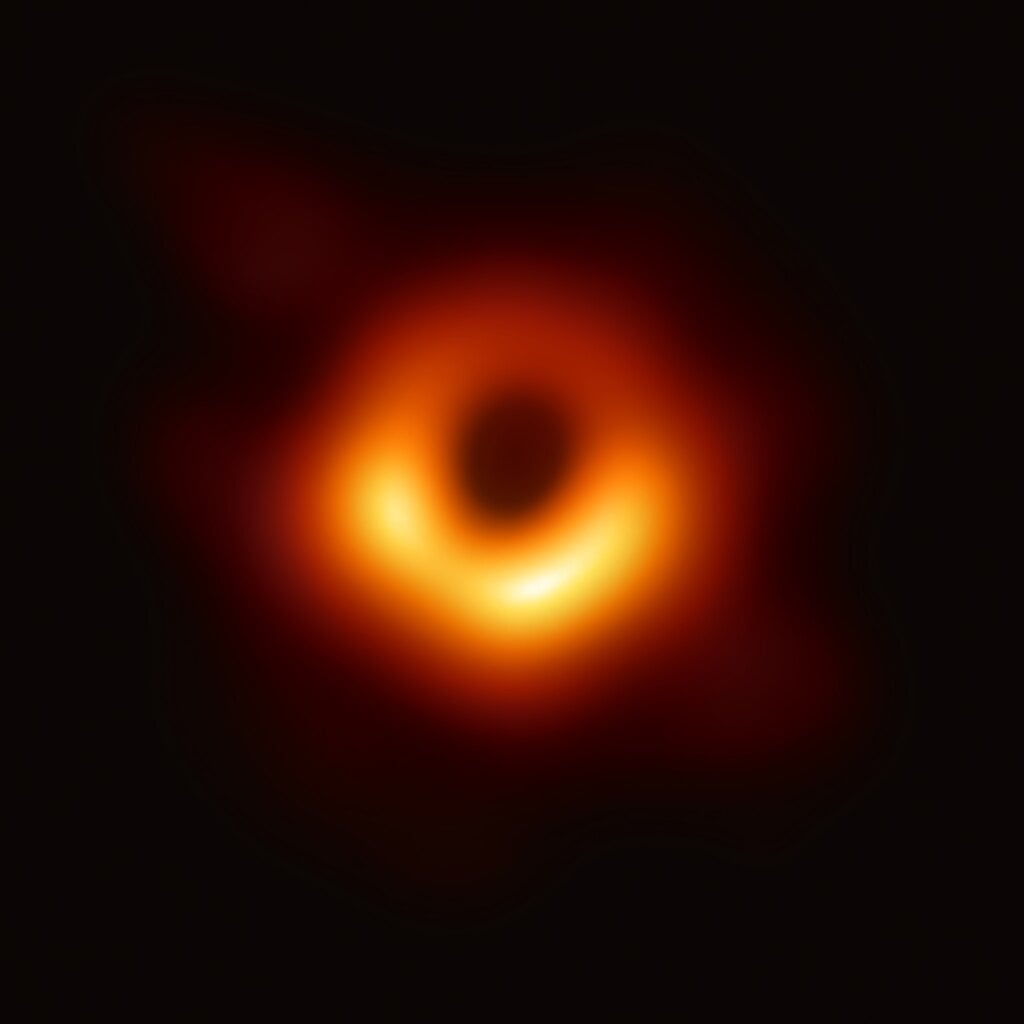
Astronomers are now receiving real-time notifications about various celestial phenomena, including asteroids, supernovas, and black holes. The observatory’s alert system is expected to send millions of notifications each night as it ramps up operations. This capability will enable scientists and stargazers to quickly identify and study transient events in the night sky.
How the Alert System Works
The Legacy Survey of Space and Time (LSST) camera, which is approximately the size of a car, plays a pivotal role in this process. After its first images were released in June 2023, researchers eagerly awaited the functionality of the alert system. Each night, the camera captures around 1,000 images, which are then compared against a reference image taken when the telescope became operational. Any significant differences are automatically flagged, allowing an algorithm to discern between various astronomical events.
This rapid analysis means that alerts can be generated within minutes, facilitating immediate attention to fleeting celestial occurrences. This is particularly crucial for events that may only be visible for a short time frame, such as supernovas or near-Earth asteroids.
Managing the Surge of Information
The alert system is designed with user preferences in mind. Researchers can filter notifications based on event type, brightness, or the number of occurrences within a specified period. This feature aims to alleviate the potential overwhelm that could arise from the high volume of alerts as the observatory continues to expand its discovery rate.
Overall, the Rubin Observatory’s alert system represents a significant advancement in astronomical observation, providing researchers with essential tools to monitor and explore the universe more effectively. As the system evolves, it promises to enhance our understanding of the cosmos and the dynamic events occurring within it.