A recent study has shed light on the genetic variations in pears, which have been cultivated for thousands of years. Conducted by a team from Shandong Agricultural University and Nanjing Agricultural University, in collaboration with the Zhongshan Biological Breeding Laboratory, the research aims to improve breeding practices by understanding the genetic diversity and mutation patterns across various pear species.
Published in Horticulture Research in May 2025, this study analyzed over 9 million single nucleotide polymorphisms (SNPs) across 232 pear accessions. The team discovered the impact of domestication on deleterious mutations, providing vital insights for future cultivation strategies.
Understanding Genetic Variations in Pears
Pears are among the oldest domesticated fruit trees, yet the genetic changes they have undergone to adapt to different climates have not been thoroughly studied. Previous research has primarily focused on annual crops, leaving a gap in knowledge regarding perennial fruit trees like pears.
The research team identified a total of 9,909,773 SNPs, with 139,335 classified as deleterious mutations. These mutations were predominantly found in coding regions, with a notably higher frequency in Pyrus communis, the European pear, compared to other species. The study highlighted specific regions where domestication processes led to a reduction of harmful mutations in P. pyrifolia and P. bretschneideri, while an increase in such mutations was observed in P. communis. This trend is likely attributed to genetic drift during the domestication process.
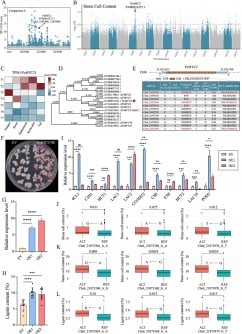
The research also underscored the significance of the PyMYC2 gene, which is associated with stone cell formation in pears. The overexpression of this gene in pear callus cultures resulted in increased lignin and stone cell content, indicating its potential as a target for breeding initiatives aimed at improving pear texture.
Implications for Future Breeding Programs
According to Professor Jun Wu from Nanjing Agricultural University, the findings from this research could revolutionize pear breeding. He stated, “This research provides valuable genomic insights into pear domestication, particularly in understanding how deleterious mutations shape agronomic traits. The identification of PyMYC2 as a regulator of stone cell content is a breakthrough that could significantly inform future breeding strategies.”
The identification of deleterious mutations tied to key agronomic traits opens new avenues for breeding programs. By targeting genes like PyMYC2, breeders could develop new pear varieties that boast enhanced texture and improved disease resistance. These advancements are critical for meeting the growing global demand for high-quality pears and enhancing crop resilience against climate change.
The study suggests that modern molecular breeding techniques, such as genome-wide selection, may help mitigate the accumulation of harmful mutations in cultivated varieties. This could lead to healthier and more productive pear crops, ultimately benefiting both consumers and producers.
The research was supported by multiple funding sources, including the National Science Foundation of China and the National Key Research and Development Program of China.
Through these discoveries, the research team hopes to pave the way for improved pear varieties that are not only high-quality but also adaptable to the changing environmental conditions that affect agriculture worldwide.