Researchers from the Stowers Institute for Medical Research in Kansas City have made a significant advancement in understanding infertility. They have identified the precise fusion point of a chromosome variant linked to infertility and recurrent pregnancy loss. This variant, known as a Robertsonian translocation, occurs when two chromosomes fuse into one, affecting approximately one in 800 individuals.
Breakthrough Discovery in Chromosomal Research
The Robertsonian chromosome was first identified in 1916 in grasshoppers. Over a century later, researcher Jennifer Gerton and her team have located the specific point of this chromosomal fusion. Gerton expressed her excitement about the discovery, stating, “I think what is really exciting is with this knowledge, we have new ways to study these chromosomes.”
Utilizing artificial intelligence technology in their research, the scientists uncovered the role of previously overlooked DNA in this fusion process. Gerton explained, “We’re realizing that that’s what’s leading, for instance, to lots of these structural changes in chromosomes that can happen.” This newfound understanding highlights the significance of what was once deemed “junk DNA.”
Beyond infertility, Gerton noted broader implications of their findings, stating, “We’re understanding something about how sets of chromosomes can evolve, and this could affect reproduction.” The variant has been linked to increased risks of infertility and conditions such as Down syndrome.
Impacts on Genetic Counseling
Alex Widman, a genetic counselor at Blue Sky Fertility, noted the relevance of Robertsonian translocations in her practice. “I would say it’s definitely common for me to counsel about Robertsonian translocations,” Widman mentioned, adding that approximately 2% to 5% of patients with recurrent pregnancy loss may carry this variant.
Widman emphasized the potential of the Stowers Institute’s research to enhance her work, saying, “It opens the door for a lot of other future studies, so that we can hopefully better characterize them and maybe even counsel patients a little more precisely.”
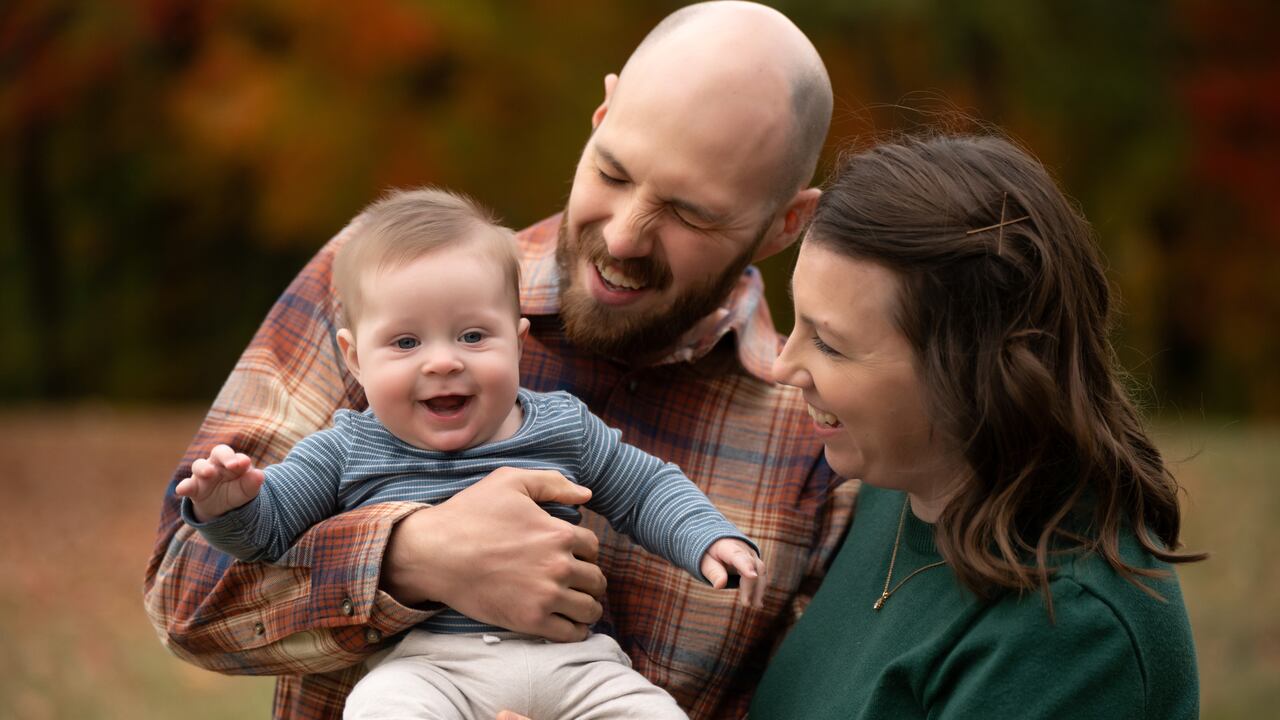
The journey to parenthood can be fraught with challenges, as experienced by local couple Amber and Alex Fletcher. After six and a half years, they welcomed their son, William, following multiple IVF attempts, egg transfers, and four miscarriages. Amber Fletcher reflected on their experience, stating, “It’s just a lot of broken expectations for what you expected life to look like.”
Despite the struggles, the couple often felt left without clear answers. “Doctors would tell us, ‘We don’t know for yours, it’s still considered unexplained,’” Amber Fletcher recalled. Now, she believes that any advancement in understanding miscarriage causes is invaluable. “I think that anything we can do to help understand why miscarriages happen and prevent them is amazing, because that heartbreak is not something I would wish on anybody.”
For those who may be affected, a blood test can determine if an individual carries the Robertsonian chromosome variant. Patients experiencing unexplained infertility are encouraged to consult with a doctor or genetic counselor for further insights and options.