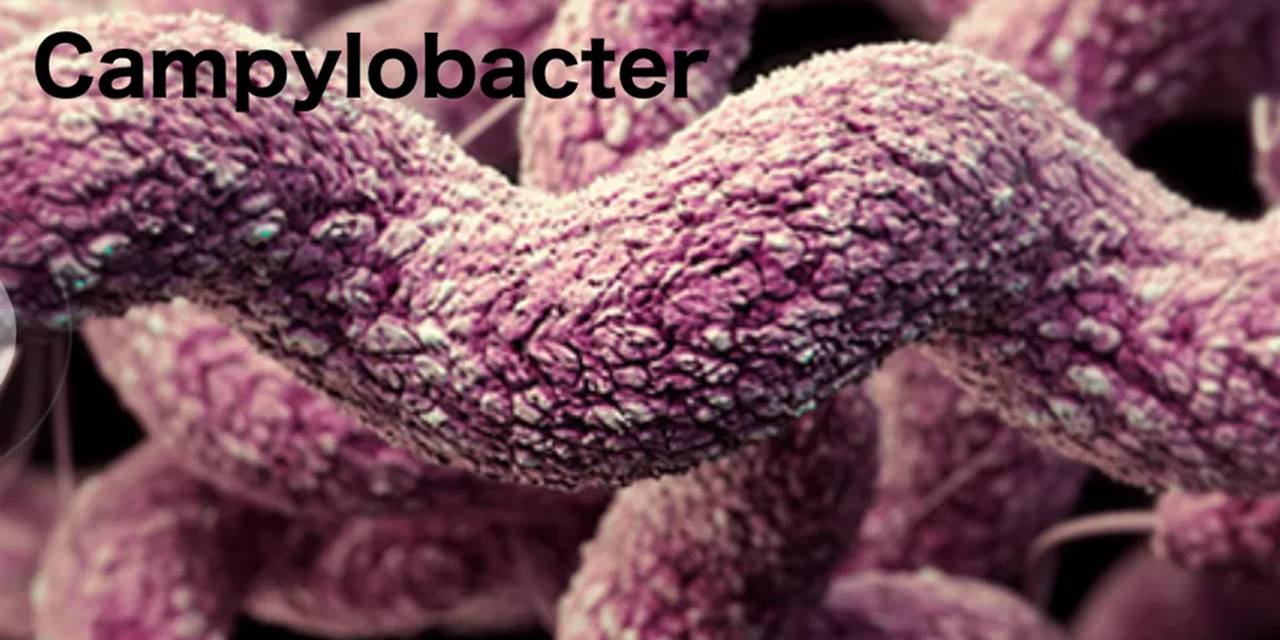
Researchers at the London School of Hygiene & Tropical Medicine (LSHTM) have received a significant funding boost to investigate the behavior of the bacterium Campylobacter. The consortium has been awarded £850,000 (approximately $1.1 million) by the Biotechnology and Biological Sciences Research Council (BBSRC) to explore how this pathogen outcompetes other bacteria and adapts to various host environments.
The funding will support a comprehensive study that aims to uncover the mechanisms behind Campylobacter’s competitive advantage. This bacterium is a leading cause of foodborne illness worldwide, making this research crucial for public health. By gaining insights into its adaptability and survival strategies, scientists hope to develop better prevention and control measures.
Understanding Campylobacter’s Competitive Edge
Campylobacter is often found in poultry and can contaminate food products, leading to gastrointestinal diseases in humans. The LSHTM researchers plan to focus on the interactions between Campylobacter and other microbial species within the gut. They will also examine the environmental factors that influence its growth and resilience in host organisms.
Dr. David W. MacFarlane, a lead researcher on the project, emphasized the urgency of understanding how Campylobacter thrives. “By studying its adaptive mechanisms, we can inform strategies that mitigate its impact on food safety and public health,” he noted.
The research aims to bridge gaps in current knowledge regarding the bacterium’s ecological niche and its ability to evade the immune responses of different hosts. As Campylobacter infections continue to pose a significant health burden, the outcomes of this study may lead to improved health guidelines and interventions.
Potential Implications for Public Health
The funding from the BBSRC not only underscores the importance of this research but also reflects the UK’s commitment to addressing foodborne pathogens. The LSHTM is collaborating with other academic institutions and industry partners to ensure a multidisciplinary approach to this pressing issue.
A detailed understanding of Campylobacter’s behavior could ultimately pave the way for innovative strategies to reduce its prevalence in the food supply chain. This research is particularly timely, given the increasing global focus on food safety and health security.
In summary, the funding awarded to the LSHTM represents a vital step forward in understanding how Campylobacter operates within various environments. The implications of this research extend beyond academic interest; they could significantly impact public health strategies and food safety practices in the future.