The Newberry Library in Chicago has received a significant grant of $4 million from the Mellon Foundation to enhance access to Indigenous languages, many of which face extinction. This funding aims to support tribal nations in their efforts to revitalize languages that have been historically marginalized.
The Newberry Library boasts an extensive collection of approximately 2,400 items pertaining to over 300 Indigenous languages, forming part of its larger Indigenous Studies collection that includes more than one million manuscript pages, 11,000 photographs, and 2,000 maps. Currently, a limited portion of this collection is available in digital format, which presents challenges for both tribal nations and researchers. The grant will facilitate the digitization of more language-related materials on the library’s website.
According to Rose Miron, the library’s vice president for research and education, “Those are often of major interest to tribal nations who are working on language revitalization activities.” The funding will ensure the complete digitization of Indigenous language collections, providing vital resources for communities striving to recover lost languages.
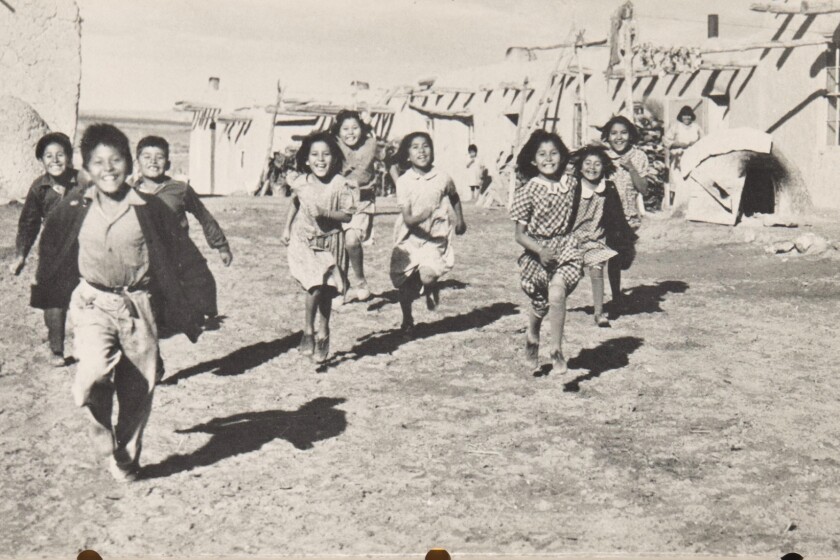
The historical context of language loss reveals a troubling legacy. Many Indigenous languages were nearly erased due to the U.S. government’s assimilation policies in the 19th and 20th centuries, which included the establishment of Native American boarding schools. Miron noted, “One of the biggest losses of those schools was the damage that was done to Indigenous languages because children were literally being punished for speaking their own languages and being forced to speak English instead.”
As many tribal nations now focus on language revitalization, the resources available through the Newberry collection are expected to play a crucial role, especially for communities without living speakers of their languages. Miron emphasized the significance of historical documents, stating, “The documents that were created that have information about these languages are crucial for linguists who can then go in and help recover what these languages sounded like and start reteaching them.”
The Newberry collection includes a range of linguistic materials, such as Bibles and religious texts translated by missionaries aiming to assimilate tribal members. Miron highlighted the emotional impact of these resources, saying, “I have seen people in the collection weep upon seeing something that is related to their family or is related to their community that they’ve never seen before.”
In addition to digitizing language materials, tribal nations will have the opportunity to request digitization of other parts of the collection. The funds will also be allocated to hiring three additional staff members, including a second dedicated librarian for the Indigenous collection. Furthermore, the grant will support fellowships for individuals working with tribal nations, travel for tribal members to visit the collection, and collaborative efforts with tribal communities.
More than half of the grant funding is designated for direct support of tribal nations. Miron stated, “We fundamentally believe that tribal nations are the best representatives of their own history,” reinforcing the library’s commitment to repatriating items when appropriate.
The Indigenous collection at the Newberry Library traces its origins back to 1911, when businessman Edward E. Ayer donated a significant number of books, manuscripts, and artworks related to Indigenous peoples. His endowment has allowed the library to expand the collection and dedicate resources to its management. In recent years, the focus has shifted towards prioritizing materials created by Native people rather than solely those about them.
This latest round of funding builds upon a previous planning grant received in 2020, which led to the development of the “Indigenous Chicago” project. This initiative aims to provide resources and information about Chicago’s Indigenous communities, featuring interactive online maps that reinterpret the city’s history from Native American perspectives.
Recent local efforts to acknowledge Indigenous peoples and their cultures include a new partnership between the American Indian Center of Chicago and the Forest Preserve of Kane County, which has resulted in the introduction of a bison herd to the local tallgrass prairie, marking the return of these animals after 200 years.
Miron, reflecting on the role of institutions like the Newberry Library, acknowledged the historical pain inflicted on Indigenous communities. “As an institution that has benefited from colonialism, I really see it as our job to try to undo some of that harm and to really return control to tribal nations,” she said.
The project funded by the Mellon Foundation is set to commence immediately and will continue through December 2030, marking a significant step in supporting Indigenous language revitalization efforts across the United States.