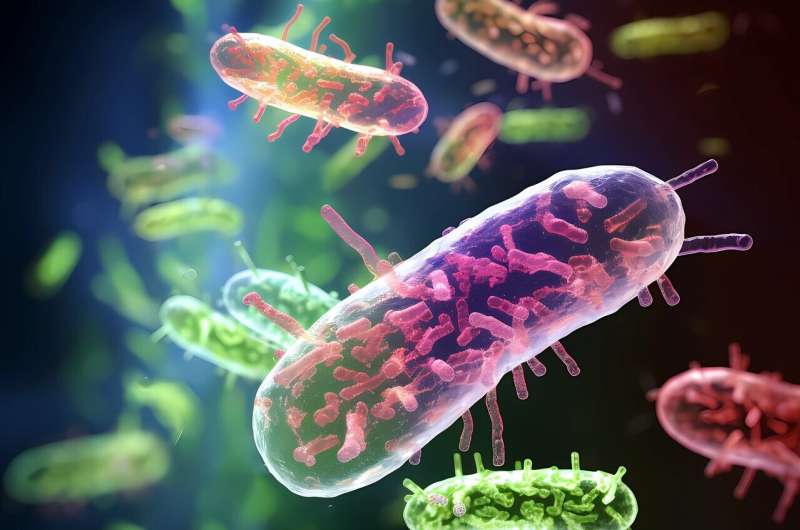
A recent study from the University of Edinburgh has uncovered a new mechanism that contributes to bacterial resistance against common antibiotics. Published in Nature Communications on November 11, 2025, this research highlights how certain bacteria employ a specialized repair system, known as Rtc, to survive antibiotic treatments. By targeting this mechanism, there is potential for developing more effective treatments against harmful bacterial infections and addressing the urgent global challenge of antimicrobial resistance (AMR).
The study reveals that the Rtc system plays a crucial role in repairing damaged RNA within bacteria, a process essential for producing proteins necessary for their growth and survival. Antibiotics typically operate by disrupting these protein production pathways; however, Rtc enables bacteria to maintain their functionality even in the presence of these drugs. This adaptability complicates treatment efforts, as the effectiveness of antibiotics can vary significantly among different bacterial strains.
Researchers utilized computer models and laboratory experiments focused on E. coli, a well-known bacterium that frequently develops resistance to antibiotic treatment. The findings indicate that the expression of the Rtc repair system is inconsistent across individual bacterial cells. This variability may explain the challenges in treating certain infections, as some bacteria are capable of withstanding antibiotic exposure better than others.
Dr. Andrea Weisse, the study’s lead researcher, emphasized the importance of understanding bacterial defense mechanisms. She remarked, “Bacteria are clever little things. They have been learning how to dodge our antibiotics, and they are getting better at it all the time. If we don’t find new drugs—or new tricks to outsmart them—we are in trouble.” Dr. Weisse’s insights stress the necessity for innovative approaches to combat these resilient microorganisms.
By honing in on the Rtc repair system, the research opens new avenues for creating therapies that could enhance the efficacy of existing antibiotics. The study not only sheds light on the complex survival strategies of bacteria but also underscores a critical need for ongoing research to develop effective solutions to combat AMR.
As the global health community grapples with the rising threat of antibiotic resistance, the findings from the University of Edinburgh serve as a timely reminder of the importance of understanding the intricate biology of pathogens. Addressing these challenges will require a concerted effort among researchers, healthcare professionals, and policymakers to ensure that effective treatments remain available for bacterial infections.