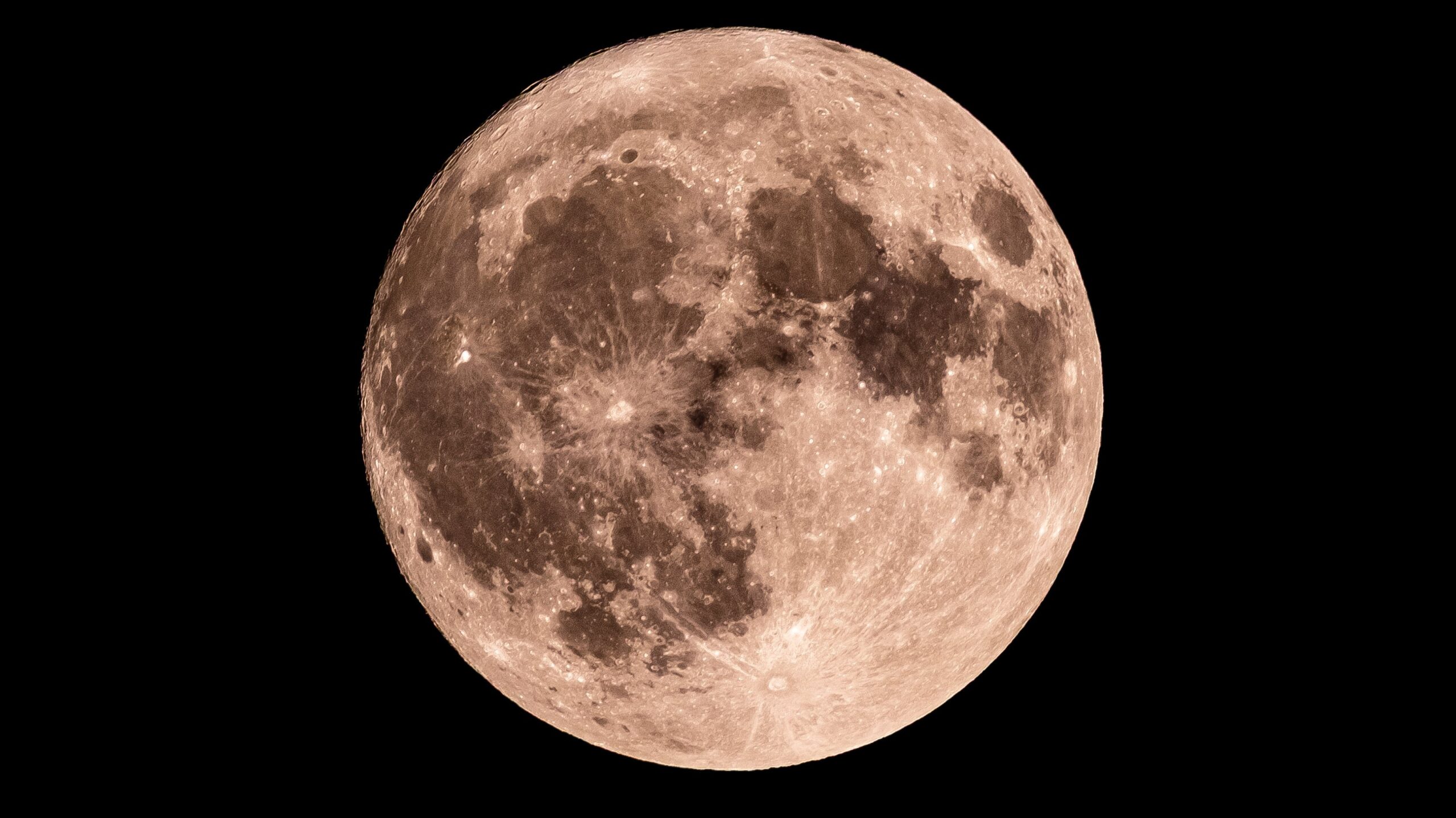
As of January 4, the Moon is in its Waning Gibbous phase, with approximately 98.6% of its surface illuminated tonight. This phase follows the recent Full Moon, which means the Moon will gradually lose its brightness each night as it approaches the New Moon. The next Full Moon is scheduled for February 1, offering another opportunity for stargazers to witness the lunar spectacle.
Understanding Moon Phases
The Moon undergoes a complete cycle known as the lunar cycle, which takes about 29.5 days to complete, according to NASA. During this period, the Moon transitions through various phases as it orbits the Earth. While the same side of the Moon consistently faces our planet, the amount of sunlight reflecting off its surface changes, resulting in the diverse appearances we observe.
The lunar cycle is categorized into eight distinct phases:
– **New Moon**: The Moon is positioned between the Earth and the Sun, rendering it invisible from our viewpoint.
– **Waxing Crescent**: A small sliver of light begins to appear on the right side in the Northern Hemisphere.
– **First Quarter**: Half of the Moon is illuminated on the right, resembling a half-moon.
– **Waxing Gibbous**: More than half of the Moon’s surface is lit, but it is not yet fully illuminated.
– **Full Moon**: The entire face of the Moon is visible and brightly lit.
– **Waning Gibbous**: The Moon starts to lose light on the right side.
– **Third Quarter (or Last Quarter)**: Another half-moon phase, but now the left side is illuminated.
– **Waning Crescent**: A thin sliver of light remains on the left side before the Moon becomes dark again.
The Impact of Moon Phases on Culture and Nature
Moon phases have profound implications beyond mere observation. Many cultures have historically aligned agricultural practices and festivals with the lunar calendar. The changing phases can influence various natural phenomena, including tidal patterns, animal behavior, and even human activities.
As the Moon continues its journey towards the New Moon, enthusiasts and astronomers alike will be watching the sky closely. The Waning Gibbous phase serves as a reminder of the ever-changing dynamics of our celestial neighbor. Observers can expect to see the Moon gradually becoming less illuminated in the nights ahead, creating a beautiful spectacle against the backdrop of the night sky.
The ongoing fascination with lunar phases highlights the interconnectedness of celestial events and life on Earth, continuing to inspire curiosity and wonder across generations.